Selling your house fast can get complicated if there are building code violations. Almost every city and town follows strict rules called building regulations to keep homes safe. This blog explains exactly where you can report a problem or violation, step by step.
Find out how easy it is to start the process today.
Key Takeaways
- You can report building code violations to your local building department, city code enforcement office, or through online complaint portals like 311 systems.
- Collect strong evidence before reporting, such as photos, videos, property address, and owner information, if possible.
- State housing authorities and federal agencies, such as HUD or EPA, handle severe or hazardous violations that affect public safety or involve discrimination.
- Filing clear and detailed reports with accurate information helps speed up inspections and repairs; anonymity is often allowed for your safety.
- Following up with the agency after submitting a complaint ensures your concern gets proper attention and that action is taken quickly.
What Are Building Code Violations?
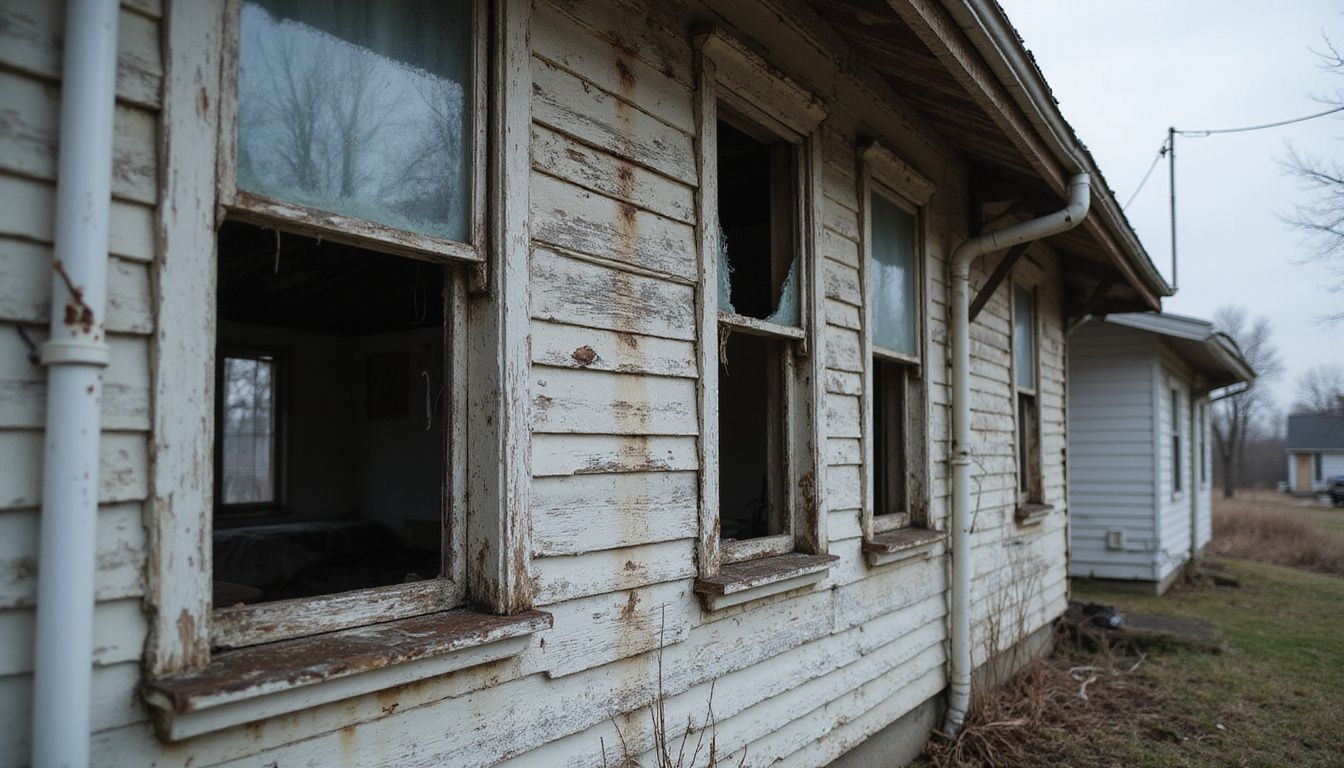
Building code violations occur when a property fails to meet local building regulations or construction standards. These rules help keep homes safe and make sure structures pass safety inspections.
Common issues include faulty wiring, missing smoke detectors, unsafe stairways, unpermitted renovations, and leaks in roofing or plumbing systems. Some owners ignore permit requirements or zoning laws to cut costs or speed up the sale process.
Violations can range from minor mistakes, such as cracked windows, to major hazards, such as illegal electrical work that poses a fire risk. Local authorities inspect homes for these problems during routine checks or after complaints.
If inspectors find code violations, they notify the owner and give a deadline to fix them before penalties start. Fast action on repairs helps you avoid fines and delays if you want to sell your house for cash quickly.
Why Reporting Building Code Violations is Important
Understanding code violations helps property owners avoid major setbacks. Reporting these issues protects not just your investment, but also future buyers and neighbors. Local ordinances and safety codes exist for a reason: they keep homes safe and marketable.
I once tried selling my own house with an unpermitted addition; the deal nearly fell apart until we fixed the violation.
Reporting problems through the right enforcement agency can speed up repairs or corrections that are required before closing a sale. Unsafe wiring, missing permits, or illegal conversions all quickly lower property value.
“Code compliance is key for a smooth closing,” says James Taylor of City Property Inspections in New York. If enough people speak up about violations in their area, authorities respond quickly to complaints, helping neighborhoods remain desirable to cash buyers seeking move-in-ready properties.
Steps to Report Building Code Violations
To report building code violations, first identify the specific issue and then gather evidence, like photos or notes, to support your claims. You should also collect important property details before submitting a formal complaint to the appropriate authority.
For more guidance on this process, keep reading!
Identify the violation
Check your property for violations of local ordinances, construction standards, or safety codes. Look for signs such as broken stairs, exposed wiring, illegal home additions without a permit, or missing smoke detectors.
Inspect areas such as the roof and foundation for structural issues. Pay attention to plumbing leaks or electrical hazards since these often break building regulations.
Noticing unapproved renovations or noticing rooms used in ways not allowed by zoning laws counts as a code violation, too. Compare your home’s condition with neighborhood properties; major differences might mean non-compliance with building regulations.
Spotting these violations early helps you avoid penalties and keeps the sales process smooth if you want to sell your house fast for cash.
Document evidence (photos, videos, or notes)
Collect clear evidence of the building code violation. Take photos to show any unsafe conditions or code breaches. Capture videos to illustrate problems like leaks or structural damage.
Write notes that describe what you see, including dates and times.
This documentation helps strengthen your case when reporting violations. Accurate records allow enforcement agencies to assess the situation effectively. Keeping thorough evidence increases the likelihood of a swift resolution.
Evidence is key to building compliance.
Gather property details (address, owner information if available)
Collect vital property details, such as the address and the owner’s name, if possible. These specifics are crucial when reporting building code violations. They help enforcement agencies locate the property in question quickly.
Accurate information ensures a timely response to your complaint.
Researching property data can be straightforward. Online real estate databases often provide ownership records and addresses. Local government websites also offer access to zoning laws and building regulations that may come into play during your reporting process.
Having all this information at hand speeds up inspections and actions by municipal services aimed at ensuring compliance with construction standards.
Submit a formal complaint
Fill out a complaint form at your local building department. Be clear and concise in your description of the violation. Include all necessary details like the property address, owner information (if you have it), and specifics about the issue.
Attach any evidence you collected, such as photos or notes.
After submitting, check for confirmation from the enforcement agency. This acknowledgment ensures that they received your complaint and will take action accordingly. Knowing where to report building code violations helps maintain safety compliance in your community.
Find out where to send these formal complaints next to keep things moving along smoothly.
Where to Report Building Code Violations
You can report building code violations to your local building department. Many cities also offer online complaint portals for easier reporting.
Local building department or code enforcement office
Local building departments or code enforcement offices handle code violation reports in your area. Workers at these offices know the zoning laws and construction standards that apply to properties.
They inspect buildings to ensure compliance with safety regulations. If you spot a violation, contact them directly.
These agencies often have online portals or hotlines for reporting issues easily. Providing clear details helps them take action faster. Include your observations alongside any evidence you have collected, like photos or notes about what you saw.
Your report could lead to improved safety in the community and protect property values for everyone involved; first-hand accounts from neighbors can prove critical during investigations, too.
Online complaint portals or 311 systems
Online complaint portals and 311 systems make it easier to report building code violations. These platforms allow residents to submit complaints quickly and conveniently from home. Users can fill out online forms, upload photos, and provide details about the issue.
Local governments often manage these systems. They use them to track complaints efficiently and ensure timely responses. If you notice a violation, use these tools. Using an online portal saves time and helps local authorities address safety compliance issues effectively.
State housing authority or regulatory agency
State housing authorities or regulatory agencies enforce building regulations. They focus on safety compliance and address violations effectively. Each state may have different rules, but their main goal is to maintain construction standards.
Reporting a violation to these agencies can start an inspection process. You can find information about local ordinances from these agencies. They help ensure that properties meet necessary zoning laws and safety codes.
If you have specific issues with a property, contact your state’s agency directly for assistance with accurately reporting code violations; they often provide clear guidance on next steps.
Federal agencies for severe or hazardous violations
Federal agencies handle severe or hazardous violations of building codes. They step in when a threat to safety arises, such as unsafe structures or serious health risks. The Department of Housing and Urban Development (HUD) can address issues that affect people’s living conditions.
If the situation involves potential discrimination linked to housing standards, they also take action.
Another agency, the Environmental Protection Agency (EPA), addresses environmental hazards at construction sites. Contacting these agencies is crucial for reporting significant dangers that local authorities may overlook.
Make sure you provide clear details about any violation you witness so these federal offices can act effectively and keep communities safe from dangerous conditions.
Tips for Reporting Building Code Violations
When you report building code violations, keep your identity private if you prefer. Share clear, precise details of the violation to help authorities take swift action.
Ensure anonymity if needed
You can report building code violations without revealing your identity. Local authorities often respect confidentiality, which allows you to share concerns safely. Anonymity protects you from possible retaliation or conflict with property owners.
Consider using online complaint portals for easy reporting. These platforms frequently allow anonymous submissions. By providing detailed information about the violation, like photos and notes, you help ensure local enforcement agencies can address the issue effectively while keeping your identity secure.
Provide accurate and detailed information
Accurate and detailed information helps enforcement agencies act swiftly. Include facts like the specific violation, location, and any permit issues. Sharing photos or videos strengthens your report.
Municipal authorities rely on clear evidence to address problems effectively.
Property complaints require thorough details. For example, note the type of construction standards being violated or safety codes ignored. This precise information aids in quicker inspections and resolution by local governments.
Engaging with enforcement offices often leads to improved compliance in your neighborhood.
Follow up on your complaint
After you submit your complaint, stay proactive. Contact the enforcement agency to check on their progress. Ask for updates about the investigation and any actions taken. Keep a record of your communication with them; note dates and details of conversations.
If you see no progress after some time, send a polite reminder. This keeps your concern top of mind. Your follow-up shows that safety compliance matters to you, which can help speed up the inspection process.
Your diligence helps enforce building regulations effectively and ensures local ordinances are respected.
Conclusion
Reporting building code violations helps keep our communities safe. Use the right channels to make your voice heard. Local agencies and online portals can guide you through the process.
Stay informed, share accurate details, and follow up on your complaint to ensure action is taken. Taking these steps encourages compliance and protects everyone involved in construction projects.
FAQs
1. Where can I report building code violations?
You can report building code violations to your local building department or city hall. They handle complaints about unsafe structures and non-compliance with regulations.
2. What information do I need when reporting a violation?
When reporting, provide details such as the property’s address, a description of the issue, and any relevant photos, if possible. This helps officials better understand the problem.
3. Can I remain anonymous when reporting a violation?
Yes, many jurisdictions allow you to report building code violations anonymously. However, providing your contact information may help officials follow up for more details.
4. What happens after I report a violation?
After you submit your complaint, an inspector will investigate the issue. If they find a violation, they will take appropriate action to ensure compliance with local codes and safety standards.