
You want to sell your Tulsa house fast for cash, and worry about taxes. Taxes on selling a house as-is can affect how much profit you keep. This post will explain capital gains, exclusions, and how to file in plain terms.
Read on to learn what to expect.
Key Takeaways
- Selling your house as-is means you sell it in its current condition without repairs, but tax rules still apply.
- If the home is your primary residence, you may exclude up to $250,000 of profit (single filer) or $500,000 (joint filers) from taxes if you lived there for two out of the last five years.
- You must report any sale profit exceeding these limits on your tax return, using Form 1040 and Schedule D, by April 15 each year.
- Costs such as real estate agent fees, closing costs, and certain home improvements can reduce your taxable gain when selling.
- Special cases, like divorce or inheriting a house, change how much tax you pay; talk to a tax expert or CPA for help.
What Does “Selling a House As-Is” Mean?
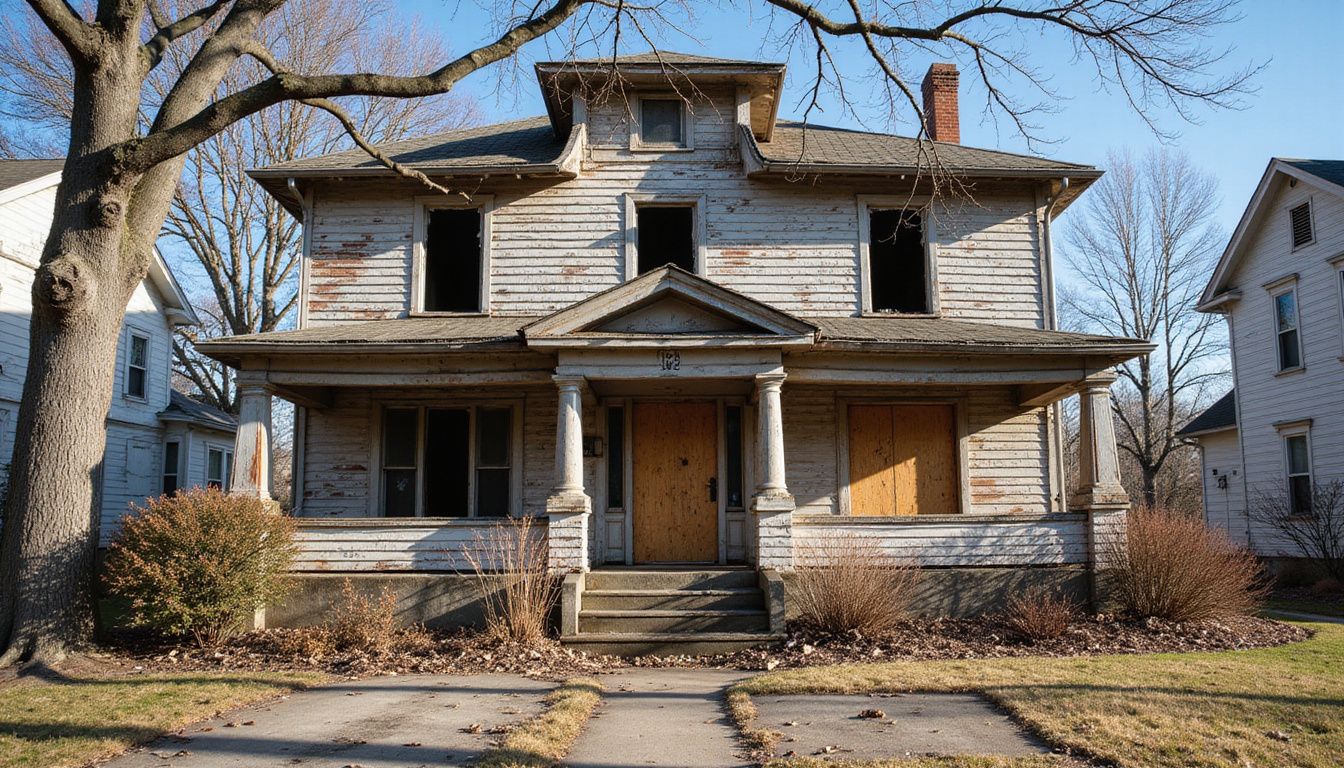
Selling a house as-is means you sell it in its current condition. You skip major repairs and upgrades. Cash buyers in Tulsa often like as-is deals. The seller must still give a seller disclosure on known issues.
This speeds up a home sale.
Selling as-is cuts repair time, not tax rules.
Taxes still apply to any profit from the sale. If the property is your primary residence, you may qualify for a tax exclusion. Joint filers can exclude up to $500,000. Single filers can exclude up to $250,000.
Tax Implications of Selling a House As-Is
Selling your house as-is can have tax impacts. It’s key to understand how capital gains tax applies when you sell without making repairs.
Understanding Capital Gains Tax
Capital gains tax applies to the profit from a home sale. If your house sells for more than what you paid, that difference is the gain. The IRS allows many owners to exclude up to $250,000, or $500,000 for joint filing, from the sale of a primary residence.
You must meet the ownership and use test to claim the tax exclusion.
People selling a house as-is for cash in Tulsa still have to follow these rules. You should report the sale on your tax return if you do not qualify for the exclusion or if you have a taxable gain.
Talk to a tax pro or CPA to check your numbers and avoid surprises.
Exclusion Limits for Primary Residences
After you figure out the gains, check the exclusion rules. You can exclude up to $250,000 of profit if you file single. Married couples filing jointly can exclude up to $500,000. You must own and use the home as your primary residence for two of the five years before the sale.
Sellers in Tulsa who need cash fast can often avoid tax if their profit stays under these limits.
If your gain is under the limit, you may owe no tax on the sale.
If your gain exceeds the limit, you must report the excess on your tax return. A joint filing requires both spouses to meet certain rules to claim the full $500,000. Talk to a tax pro if your situation has splits, moves, or short ownership.
Reporting the Sale on Your Tax Return
Selling your house as-is may mean you need to report the sale on your tax return. This is an important step to avoid issues later.
- Report all profits from the sale on your tax return. You must include this in the income section of Form 1040.
- Use Schedule D to report your capital gains or losses. This form helps you detail how much profit you made from selling the house.
- Keep track of closing costs associated with the sale. These costs can reduce your taxable gain and must be reported accurately.
- If you qualify for a primary residence exclusion, note that amount on your tax forms. This exclusion can help reduce or eliminate capital gains taxes.
- Be aware of deadlines for filing your tax return after the sale. Make sure to file by April 15th unless you file for an extension.
- Gather all documents related to the sale, such as settlement statements and previous appraisal reports, before filing taxes.
- Seek help from a tax professional if you’re unsure about reporting requirements or exclusions available for home sales.
Understanding how to report the sale correctly is crucial for smooth transactions and avoiding penalties later on. Next, let’s look at how to calculate your capital gains when selling as-is.
How to Calculate Your Capital Gains
To calculate your capital gains, first find the original cost of your house. Then, adjust this amount for any improvements you made. Don’t forget to include selling costs like agent fees and closing expenses.
Understanding these numbers is key to knowing how much profit you will report on your taxes. Keep reading for more details!
Determining the Original Cost Basis
Understanding the original cost basis is key when selling your house as-is. It helps you figure out your capital gains and taxes.
- The cost basis starts with the price you paid for your home. This includes the amount on your purchase contract.
- You can add certain costs to your basis. Costs such as closing fees and inspections are included if they were part of the home purchase.
- Home improvements also count. Think about things like a new roof or an extra room that raised the value of your house.
- Keep track of all receipts and documents from these costs. They can help you prove how much you’ve spent over time.
- Selling costs matter too, like real estate agent fees and closing costs when selling the house. These can reduce your capital gains.
- If you’ve inherited a property, the cost basis may change based on its market value at the time of inheritance. This can lower possible tax liabilities.
These details will help in understanding what you owe when selling fast for cash in Tulsa, Oklahoma.
Adjusted Basis and Home Improvements
The adjusted basis of your home changes when you make improvements. These improvements can increase the value of your property. Examples include adding a new roof, building a deck, or finishing a basement.
All these costs add to your original cost basis.
Selling costs also matter when calculating gains. For example, if you pay for repairs before selling, those expenses may reduce taxable profit. Think carefully about what work needs to be done.
Some upgrades can help you get a better price and lower taxes on your home sale in Tulsa.
Selling Costs and Their Impact on Gains
Selling costs can reduce your profits when you sell your house as-is. These costs include things like agent fees, closing costs, and repairs. Subtracting these expenses from your sale price gives you a clearer picture of your gains.
High selling costs may change how much capital gains tax you owe. If expenses are high, they could reduce the taxable amount. Knowing these details helps you understand what profit remains after all selling costs are taken into account.
Potential Deductions When Selling As-Is
You can save money when selling your house as-is. Certain costs, like real estate agent fees and closing costs, may be tax-deductible.
Real Estate Agent Fees
Real estate agent fees can add to your costs when selling a house. Agents typically charge 5% to 6% of the home sale price. This fee usually gets split between the buyer’s and seller’s agents.
It is one of the main expenses sellers face, especially if they want to sell quickly for cash.
Not every seller uses an agent, though. Some choose to sell their homes as-is without help from real estate agents. Skipping this step saves money on commissions but means doing more work alone.
Selling without an agent may lead to lower closing costs; however, it can also affect how quickly you find buyers or achieve fair market value for your home.
Special situations may arise that affect taxes in other ways too.
Closing Costs
Closing costs are the fees you pay when selling a house. In Tulsa, these costs can add up quickly. You might need to cover title insurance, attorney fees, and transfer taxes. Sellers often pay real estate agent commissions, too.
These expenses reduce your profit from the sale. It is wise to account for them in your financial plans. Selling as-is may help speed things up, but consider these closing costs first.
They affect how much money you take home after the sale.
Repairs Made Prior to Sale
Selling your house as-is means you may not have time for repairs. You might want to sell fast for cash in Tulsa. Here are significant points about repairs made before the sale.
- Repairs can boost your home’s value. A new roof or fresh paint makes a big difference.
- Fixing leaks is essential. Water damage can scare buyers away.
- Cleaning up the yard matters. Good curb appeal helps create a great first impression.
- Small updates like new fixtures can attract more buyers. These updates are often low-cost but high-impact.
- Consider minor upgrades in the kitchen and bathroom. These rooms can sell the house faster.
- Inspect electrical systems if they are old. Buyers look for safe homes with updated wiring.
- Address mold and pest issues right away. These problems can turn off even interested buyers.
- Cosmetic fixes can improve overall appeal. Replacing outdated hardware can easily refresh spaces.
- Keeping receipts of repairs helps when filing taxes later on. They may be deducted to reduce capital gains.
Making these repairs could lead to a better sale price and less stress during your home sale process in Tulsa, Oklahoma.
Special Circumstances That May Affect Taxes
Certain situations can change how much tax you pay when selling your house. For example, a divorce or inheriting property may alter your tax basis and affect the outcome of your final sale.
Divorce and Property Sales
Divorce can change how you handle property sales. Both partners may have a claim to the house. If they sell the home as-is, tax rules still apply. Each person may report their share of any profit on their tax return.
Capital gains tax will be part of the process if there is a profit.
Selling your primary residence during divorce might offer some benefits. There is an exclusion limit for capital gains when selling your main home. You can avoid taxes on up to $500,000 in profits if filing jointly as spouses.
It helps to know these facts before deciding whether to sell your house fast for cash in Tulsa, Oklahoma.
Inherited Property Tax Basis
Divorce and property sales can lead to complex situations. Inherited properties have their own tax rules, too.
When you inherit a house, the tax basis often changes. The new basis is usually the market value at the time of inheritance. This means you may not owe much capital gains tax when you sell it later.
Your profit calculation starts with this stepped-up basis. This rule helps keep taxes low for heirs who sell inherited property quickly in Tulsa, Oklahoma.
Military Personnel and Relocation
Military personnel often relocate for their jobs. This can affect how they sell their homes. Service members may qualify for special tax breaks when selling a house as-is. The IRS allows them to exclude some of the profit from taxes if they meet certain rules.
They should keep records of time spent in the home and the sale price. It helps to report these details accurately on their tax returns. Knowing these facts can ease the stress of moving and selling fast in Tulsa, Oklahoma.
Tips to Minimize Tax Liabilities
7. Tips to Minimize Tax Liabilities: You can lower your tax bills by meeting the ownership and use tests or using a 1031 exchange for investment properties. Read more to learn how these tips can help you save money!
Meeting the Ownership and Use Test
Selling your house fast for cash in Tulsa can be easy if you know the rules. Understanding the ownership and use test helps you save money on taxes.
- The ownership test means you owned the home for at least two years.
- Use the house as your primary residence for at least two of the last five years.
- Time spent living in a different home affects your eligibility for tax benefits.
- You must show that you lived in the house regularly during those years.
- If both spouses owned and used the home, they may claim a larger tax exclusion.
- Short stays or renting may not count towards this test.
- Keep records of your time living there to support your claims.
- Failing this test could mean paying more capital gains tax on your profit from the sale.
- Speak to a tax expert if you’re unsure about how it affects your sale.
Understanding these points can help you address tax issues when selling your house as-is in Tulsa, Oklahoma.
Using a 1031 Exchange for Investment Properties
A 1031 Exchange helps you avoid capital gains taxes when selling an investment property. You can swap your current property for another similar one. This way, you keep your profit from the sale and delay paying taxes on it.
To qualify, both properties must meet certain rules. The new property should be of equal or greater value than the old one. You have specific time limits for identifying and closing on the new property.
This method is great for investors looking to grow their real estate portfolio without immediate tax costs.
Timing the Sale for Tax Benefits
Selling your house at the right time can save you money on taxes. If you sell within two years of living in it, you might avoid capital gains tax. This is a big deal if your home price has gone up.
Timing matters for maximizing benefits, too. If you are unsure about when to sell, consider talking to a real estate expert in Tulsa. They can help with market value and sales timing to maximize your profit from your as-is home sale.
Conclusion
Tax rules can be tricky when selling your house as-is. You may owe capital gains tax on any profit you make. Keep in mind the exemptions available for primary residences. Find all costs related to the sale, such as closing fees and agent commissions, to lower what you owe.
Know how these factors impact your taxes before closing the deal.
FAQs
1. What are the tax implications when selling my house as-is?
When you sell your house as-is, you may face capital gains tax. This tax applies if you make a profit from the sale.
2. Do I have to pay taxes if I lose money on the sale?
If you sell your house for less than what you paid, you usually do not owe taxes. However, check local rules for any exceptions.
3. Can I deduct costs from my taxable gain?
Yes, certain costs can be deducted from your total gain. These include repairs and improvements made before selling.
4. How does selling as-is affect my home’s value for taxes?
Selling as-is might lower your home’s market value. A lower price can reduce capital gains tax, but could also impact future property taxes based on new assessments.