
Selling a house with environmental damage can feel stressful and confusing. Many homes lose value due to contamination or health risks, such as mold or asbestos. This post will show you what to do, how to protect yourself, and how to sell fast for cash.
Find out the important steps before you make your move.
Key Takeaways
- Sellers must disclose to buyers all known environmental issues, such as mold, asbestos, radon, soil or water contamination, and lead paint. Not disclosing can cause legal trouble.
- Environmental damage lowers home value. Common problems include mold from moisture, old asbestos insulation, and contamination in soil or water.
- Natural disasters like floods or fires hurt property prices quickly. Buyers may only make offers if you lower the price after damage happens.
- Get help from real estate attorneys and environmental experts to check your house and follow state laws before selling.
- Offering cleanup credits or cutting prices helps attract buyers for damaged homes. Full disclosure builds trust with buyers.
Understanding Environmental Damage in Real Estate
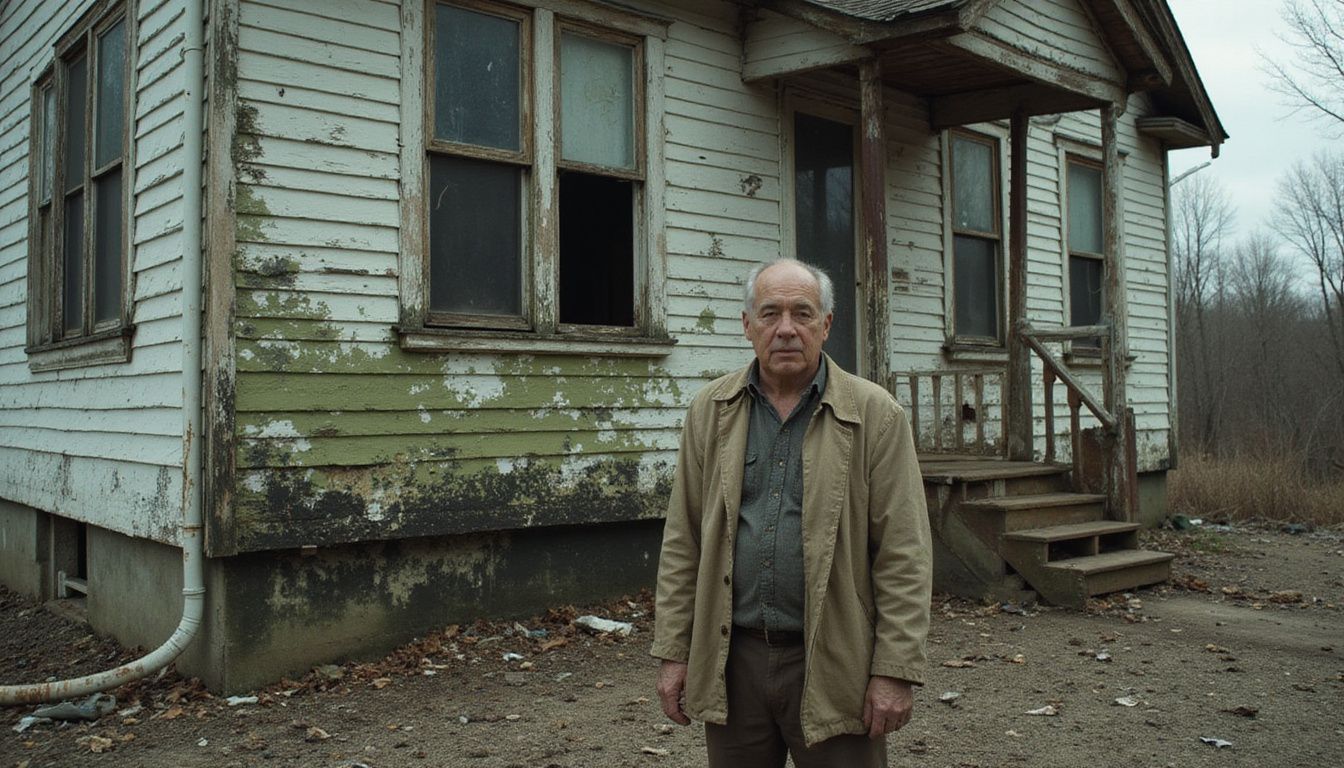
Environmental damage can hurt a property’s value. Common issues include mold, asbestos, and soil problems.
Common environmental issues (mold, asbestos, soil contamination, etc.)
Selling a house with environmental damage is tricky. You need to know what issues you might face.
- Mold grows where there is moisture. It can cause health problems and damage your home.
- Asbestos was used in older homes for insulation. If disturbed, it can cause lung diseases.
- Radon is a gas that can enter homes from the ground. High levels of radon are dangerous.
- Lead paint is found in many old houses. It poses a risk, especially to children.
- Soil contamination affects the ground around your home. It can come from chemicals or oil.
- Water contamination occurs when harmful substances enter the water supply.
These issues can reduce your property’s value and make selling it more difficult.
Impact of natural disasters on property value
Floods, hurricanes, and wildfires can lower home values fast. Buyers worry about future risks, repairs, and insurance claims. Property appraisal reports often show big drops in market value after a natural disaster strikes.
Houses with flood or fire damage may face property depreciation for years.
Some buyers do risk assessment before making an offer or asking for price cuts. “A damaged house sells at a much lower price than one not affected by disasters.” Urban development slows down if disasters keep happening in the area.
The real estate market may change quickly as people move away from risky zones. Hazard mitigation steps like flood barriers or fireproof roofs sometimes help keep property prices steady, but cost money to add.
Legal Obligations for Sellers
Sellers must tell buyers about any problems with the property. This includes issues like mold or contamination. Failure to disclose can lead to legal trouble. It is critical for sellers to check their property and be open about what they find.
Disclosure requirements
State all known environmental problems in your home, like mold, asbestos, radon, lead paint, and soil or water contamination. This helps you avoid legal trouble and liability later.
Laws call for proper disclosure to buyers if the damage is present or suspected.
Get a professional environmental assessment before selling. Clean up easy issues like mold before listing your house. Pricing should include costs for remediation and any drop in value from the issue’s stigma.
Talk to a real estate attorney about indemnity clauses so you do not face more claims after the sale. Environmental damage can make it harder for someone to get financing for your property; full disclosure keeps deals safer.
Importance of environmental due diligence
Environmental due diligence matters a lot when selling a house. If your property has damage, you need to disclose it. This shows that you are honest about the risks involved. Buyers can face contamination liabilities under CERCLA, which makes disclosure even more crucial.
Common issues include mold, asbestos, and soil or water contamination. If these problems exist, they can lower your property’s value. Addressing manageable issues can improve marketability and cut down on potential liability for both you and the buyer.
Taking time for this assessment is smart in any real estate transaction.
Being upfront about environmental damage helps protect everyone involved.
Strategies for Selling a Damaged Property for Cash
Set a fair price based on the property’s condition. Offer some perks to buyers, like help with repairs or closing costs.
Pricing the property realistically
Pricing the property realistically is key to a quick sale. Consider the costs to fix environmental issues. These can lower your home’s value. Buyers will want to know about these costs before making an offer.
Use market analysis and property appraisal data to set a fair price. Offering buyer incentives, like cleanup credits or price cuts, can help too. This makes buyers feel more secure in their choice.
They may be willing to buy even with problems present if they see value in your offer, too.
Offering buyer concessions
Offering buyer concessions can help sell homes with environmental damage. Sellers can negotiate the price or offer cleanup credits. This approach addresses buyer worries about remediation costs and lower property values.
It is crucial to assess the level of environmental damage before deciding on concessions. Openly talking about issues while providing incentives builds trust with buyers. Tailoring these concessions to specific problems can make a property more attractive, even if it has a history of contamination.
Consulting environmental and legal experts
Consulting environmental and legal experts is very important. Real estate attorneys help manage liability risks when selling a damaged property. They can add indemnity clauses in contracts to protect you.
Environmental experts look at the specific damage affecting your home. They provide insights into issues like mold or soil contamination.
These professionals help you understand regulatory compliance during the sale process. Legal guidance ensures that you are following all laws. This reduces problems later on and makes the sale smoother for you.
Getting expert advice helps evaluate your asset properly and address any potential issues effectively.
Conclusion
Selling a house with environmental damage can feel tricky. It’s vital to know your legal duties, like full disclosure of issues. Buyers worry about health risks and property value, so being honest is key.
Get help from experts for inspections and cleanup advice. With the right steps, you can sell your home smoothly and fairly.
FAQs
1. What should I know about selling a house with environmental damage?
When selling a house with environmental damage, it is important to disclose any issues. Buyers need to know about problems like mold or contamination.
2. How can I sell my house if it has serious damage?
You can still sell your house by fixing the issues first or pricing it lower for repairs. Be honest and clear in your listing about the environmental damage.
3. Do I need to tell buyers about past environmental problems?
Yes, you must inform buyers of any past environmental problems. This helps build trust and keeps you safe from future legal trouble.
4. Will banks lend money for houses with environmental issues?
Banks may hesitate to lend money on homes with significant environmental damage. They often require inspections before approving loans on such properties.