
Many people struggle to keep up with rising mortgage payments. Selling your house can help cover your loan and stop bigger money issues. This blog will show you how to sell a house quickly and safely while avoiding mortgage problems.
Keep reading to learn smart steps that make selling easier.
Key Takeaways
- You can sell your house even if you have a mortgage. Get a payoff statement to see how much you owe.
- Selling fast for cash can help you avoid foreclosure and protect your credit score. Keep making payments during the sale.
- If you owe more than your home is worth, consider options such as a short sale or a deed-in-lieu of foreclosure. Your lender must approve these steps.
- Working with real estate agents or cash buyers makes selling easier and quicker. They know market values and how to handle special cases.
- Talk to financial experts before deciding. They will help you choose the best way to solve mortgage problems and manage your money better.
Understanding Mortgage Problems
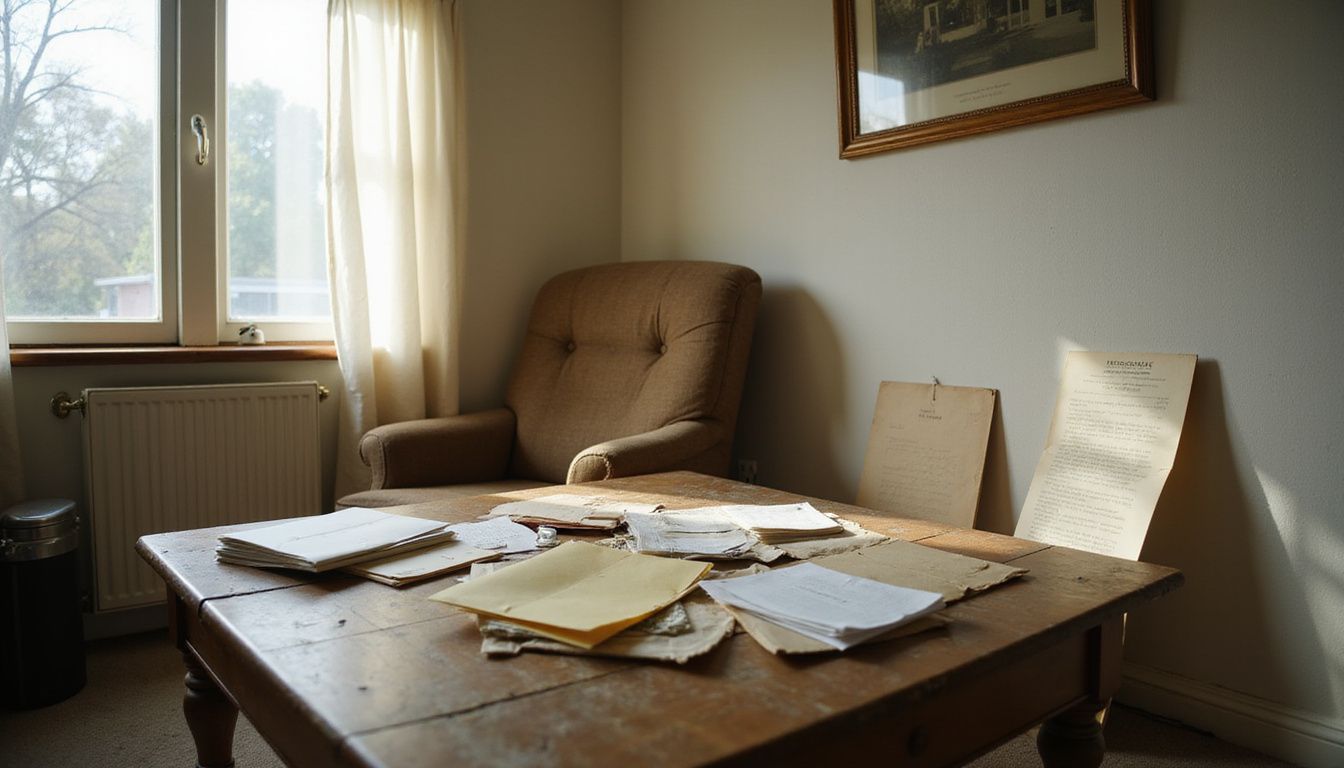
Many homeowners face mortgage issues. These problems can lead to stress and tough choices about the future of their homes.
Common Issues Homeowners Face
Homeowners face trouble if they owe more on their mortgage than their house is worth. This is called negative equity. A drop in property value or missed payments can lead to financial distress and hurt your credit score.
Sudden changes in adjustable rates also make monthly bills higher, making it hard to pay on time.
It is important to know your home’s current market value by getting a home appraisal or doing a market analysis. If you fall behind, the bank may start foreclosure, and you could lose your home.
Some people try options like a short sale or renting out their property to avoid these problems. Selling fast for cash can help stop rising payments and lower the risk of credit damage.
Missing mortgage payments hurts both your wallet and your future.
The Impact of Adjustable Rates and Rising Payments
Adjustable mortgage rates can change at set times. If rates go up, monthly payments rise too. This can cause payment shock. People may find it hard to keep up with new costs if paychecks do not grow as fast as the bills.
Rising borrowing costs mean less money for other needs.
Many loan terms start low and then adjust higher after a few years. Big jumps in interest rates make payments much more expensive than before. Some people must sell their house fast so they do not fall behind or lose their home.
Higher payments affect financial stability and make it tough to plan for the future in today’s housing market.
Can You Sell a House with a Mortgage?
You can sell your house even if you have a mortgage. The sale might pay off what you owe, or you may need to handle the loan differently.
How Selling with a Mortgage Works
Most people sell houses before paying off the full mortgage. In this case, money from the sale goes first to pay your mortgage balance. The rest is yours if there is home equity left after closing costs and agent fees.
Start by getting a payoff statement from your lender. This tells you how much you still owe on the loan. Homeowners with positive equity can use regular real estate sales to clear their debt and avoid problems like foreclosure or damage to a credit score.
For many, selling fast for cash helps them resolve rising payments or other mortgage issues without long delays.
What Happens to Your Mortgage When You Sell
Selling a house helps you pay off your mortgage. You can use the money from the sale to clear your loan balance. To do this, get a payoff statement from your lender. This statement shows how much you owe, including any fees.
If your home is worth more than what you owe, you have positive equity. This makes it easy to sell traditionally. If you owe more than your home’s value, consider a short sale or deed in lieu of foreclosure instead.
Keep making payments during the sale to protect your credit score.
“Home equity is the difference between the home’s market value and the mortgage amount owed.”
Steps to Sell Your House to Avoid Mortgage Problems
Selling your house can help you avoid mortgage issues. You need to follow some clear steps to make it work well.
Step 1: Contact Your Lender for a Payoff Statement
Contact your lender to get a payoff statement for your mortgage. This document shows how much you owe on the loan, including any fees. Knowing the payoff amount helps you understand your financial situation while selling your home.
Use this statement to think about different selling options. Make sure the information is up-to-date to avoid problems later. Keep a copy of the payoff statement for reference as you go through the home sale process.
Step 2: Determine Your Home’s Current Market Value
Determine your home’s current market value through a professional appraisal or a comparative market analysis (CMA) from a real estate agent. This helps you understand how much your house is worth right now.
Calculate your home equity too. Home equity is the difference between the home’s market value and your mortgage balance. Request a payoff statement from your lender to find out how much you owe, including any fees.
Estimate net proceeds by subtracting this amount and selling costs from the anticipated sale price. If your home’s value is higher than what you owe, selling it can cover all costs and possibly leave you with a profit.
If not, consider options like a short sale or deed in lieu of foreclosure to manage mortgage issues effectively.
Step 3: Set a Competitive Asking Price
Set a competitive asking price for your home. This price should reflect the current market value. To find this, do some research on similar homes nearby. Look at their prices and how fast they sold.
You can also get an appraisal from a professional.
A good pricing strategy attracts buyers quickly. It shows you are serious about selling your house fast for cash. Consider buyer incentives to make your offer stand out in the marketplace.
Next, work with a real estate agent or consider cash buyers for a quicker sale.
Step 4: Work with a Real Estate Agent or Cash Buyer
Working with a real estate agent can make selling your home easier. An experienced realtor knows the market well. They help you find buyers and set a good price for your house. This support is valuable, especially if you are considering options like a short sale.
Cash buyers offer another option. They can close deals faster since they do not need loans or financing. This means less waiting time and fewer worries about mortgage problems. A cash offer might be lower than other offers, but it often leads to quicker sales without complications.
Step 5: Negotiate with Buyers and Finalize the Sale
Keep your focus on the deal. You have a buyer interested in your house. Start by discussing the price and terms. Be clear about what you want. Listen to their offer carefully.
Once you agree, put everything in writing. This contract should include details like price, closing date, and any inspections needed. Next, prepare for a home appraisal to confirm its value.
After all this is done, finalize the sale with your agent or cash buyer at the closing meeting. Stay organized and keep documents ready for this step.
Selling Options for Underwater Mortgages
Selling your home with an underwater mortgage can be tricky. You might consider a short sale or even renting out your property to help manage costs.
Short Sale Process and Considerations
A short sale is when you sell your home for less than what you owe on your mortgage. This needs approval from your lender. They must agree to let you sell the house for a lower price.
If approved, this option can help avoid foreclosure, which harms credit scores.
Sellers should understand their financial situation first. Get a payoff statement from the lender and check how much your home is worth now. Some lenders may provide a deficiency waiver, protecting credit after the short sale closes.
Professionals like real estate agents and financial advisors can help through this process and make it easier to navigate selling challenges.
Deed in Lieu of Foreclosure
A deed in lieu of foreclosure means giving your house back to the lender. You do this to erase your mortgage debt. This option is for people with negative equity, which happens when you owe more than your home is worth.
Using a deed in lieu of foreclosure can help protect your credit score. It hurts your credit less than a formal foreclosure would. Still, you might lose your home in this process. Until everything is finalized, keep making those mortgage payments to guard against damage to your credit.
Consulting with real estate agents and financial advisors can also help you understand what to expect during this process.
Next up are renting out options if you face underwater mortgages.
Renting Out Your Property
Renting out your property can help if selling is hard. Rental income can keep up with mortgage payments until the market gets better. This extra cash flow helps avoid foreclosure. Homeowners should think about their long-term financial strategy while renting.
Staying in the rental market might raise the home’s value over time. It is key to ensure that rental income covers your mortgage and other costs to prevent money problems later on.
Being a landlord comes with responsibilities, so be ready for them as you make this choice.
Benefits of Fast Cash Sales
Fast cash sales can help you avoid foreclosure. They allow you to get your money quickly and stop rising mortgage payments.
Avoiding Foreclosure and Credit Damage
Selling a house can help with mortgage problems. You can use the money from the sale to pay off your loan balance. This action helps avoid foreclosure and stops any damage to your credit score.
It’s important to keep making regular mortgage payments during the sale process. Missing payments may hurt your credit even more.
Understand your home equity before selling. Home equity is what you have left after paying off the mortgage. If you owe more than your house is worth, consider a short sale option.
Working with real estate experts can help in this situation, too, as they know how to handle the possible tax effects of selling fast for cash.
Eliminating Rising Mortgage Payments Quickly
Selling a house quickly can help you deal with rising mortgage payments. You can use the cash from the sale to pay off your remaining loan balance. This helps avoid foreclosure and protects your credit score.
Having positive home equity makes selling easier. You can make a profit with a traditional sale. If your home is worth less than what you owe, consider options like short sales or deeds in lieu of foreclosure.
These choices may also help you avoid serious financial trouble while keeping control of your situation.
Key Tips for Managing Mortgage Challenges
Keep making your mortgage payments while you sell. This helps protect your credit score during the process.
Continue Making Payments During the Sale Process
Continue making regular mortgage payments to protect your credit score. This is key during the sale process. Keeping up with payments also helps avoid issues later on. Talk to your lender about any concerns; open communication is vital.
Working with a real estate agent can provide useful guidance. A title or escrow company can help manage talks with lenders too. Making timely payments gives you more strength when negotiating, especially in short sales.
Staying proactive about equity and keeping lines of communication open makes for a smoother sale experience.
Next, explore selling options for underwater mortgages.
Consult Financial and Real Estate Professionals
Talk to financial professionals about your money situation. They can help you understand your mortgage options. Real estate agents are also important during this time. They know how to value homes and follow market trends.
Work with these experts for better selling strategies. This can help you manage equity, especially if you owe more than your home is worth. Keep in touch with your lender throughout the sale process.
They may have advice on short sale negotiations or other options like deeds in lieu of foreclosure.
Conclusion
Selling your house can help you avoid mortgage problems. It gives you cash to pay off your loan. If the value is lower than what you owe, other options exist to consider. Always keep making payments until the sale is done.
Reach out for help from real estate agents and financial experts. They can guide you through this process successfully.
FAQs
1. How can I sell my house to avoid mortgage problems?
You can sell your house quickly by pricing it right, making repairs, and marketing it well. This helps you pay off your mortgage and avoid issues.
2. What should I do before selling my house?
Before selling, clean your home and fix any problems. You may also want to stage it nicely so buyers see its best side.
3. Should I hire a real estate agent when selling?
Hiring a real estate agent can help you find buyers faster. They know the market and can guide you through the process of selling your home.
4. How do I set the right price for my house?
To set the right price, research similar homes in your area that have sold recently. You can also ask an agent for advice on pricing based on current market trends.