
Thinking about whether to repair the house before selling as-Is can feel stressful. Many sellers list homes as-is to avoid spending money on fixes. This post will show you how repairs or selling as-is affect price, buyers, and speed of sale.
Keep reading to learn what choice could put more money in your pocket!
Key Takeaways
- Selling your house as-is is faster and requires less upfront money. You may get cash buyers or investors, but offers are often lower than with repairs.
- Making key repairs, such as addressing safety issues or updating the HVAC system, can increase your sale price and attract more buyers. Fresh paint and landscaping help, too.
- Disclosure of all known problems is required by law when selling as-is. Hiding defects can cause legal trouble after the sale.
- Repairs take time and cost money, but they usually bring better offers and make it easier to sell in any market.
- Think about your budget, how fast you need to move, and what local buyers want before making a choice.
What Does It Mean to Sell a House As-Is?
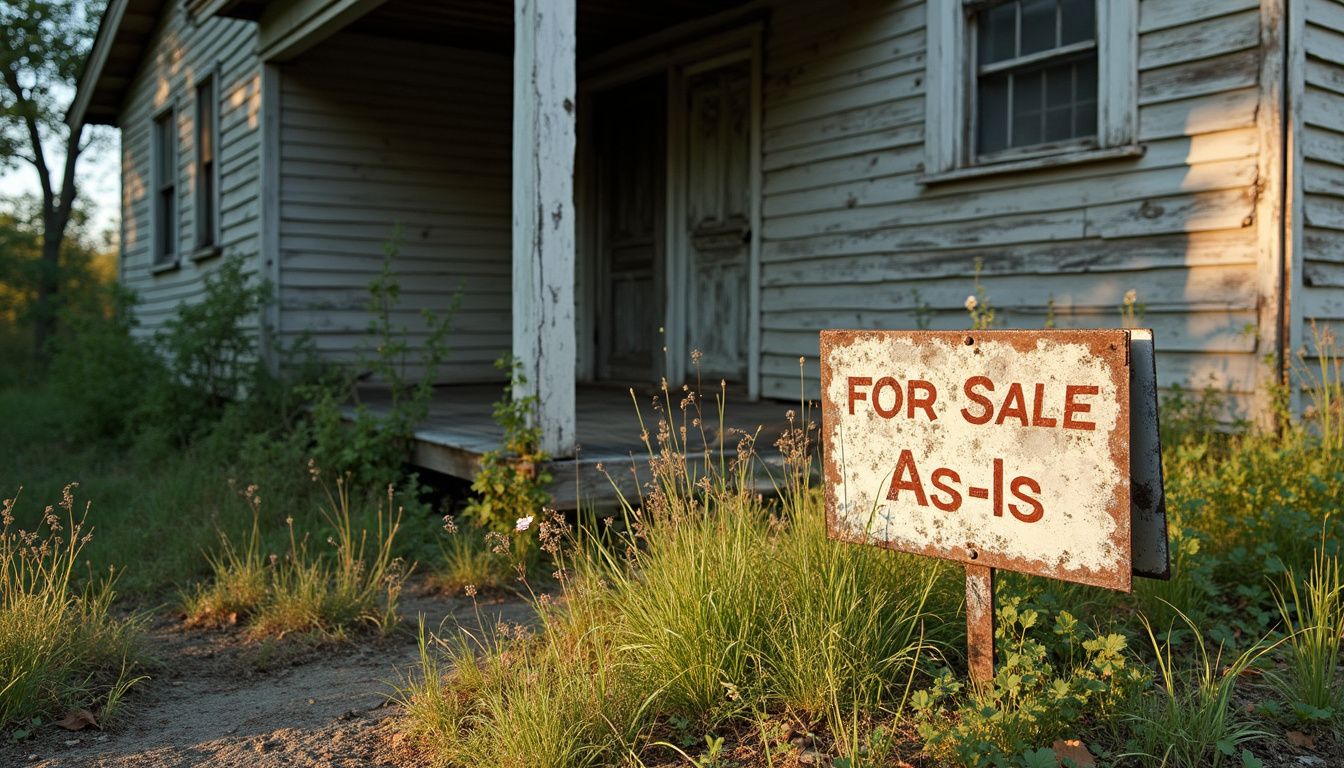
Selling a house as-is means you list your property without repairs or improvements. You make no upgrades before the sale. Buyers know the home’s condition may not be perfect, so they keep their expectations low.
I once sold my childhood home as-is to a cash buyer; it felt quick and simple, but meant accepting all of its flaws from the start.
You stay clear of fixing leaky faucets, patching holes, or updating old systems. The seller does not need to address any issues that show up during inspections. Full disclosure is vital, though, every known problem must be shared with buyers for transparency and trust.
Setting a fair price helps attract people looking specifically for as-is homes, such as investors or those who want properties they can fix up themselves.
Benefits of Selling a House As-Is
Selling a house as-is can make things quicker. You skip the repair costs and attract cash buyers who want to fix it up themselves.
Faster sale process
Selling your house as-is helps you move fast. You skip repairs and save weeks or even months; there’s no need to wait for contractors, permits, or renovations. Many cash buyers and investors prefer homes this way because they want fixer-uppers at a lower price point.
A simple listing with a clear message attracts these buyers quickly. In some cases, houses sold as-is close in 2 to 3 weeks instead of the standard 30 to 60 days.
A pre-inspection also sets honest expectations for everyone involved, no surprises later during buyer inspections that might slow things down. If you focus only on function and curb appeal rather than major upgrades, you can still attract serious offers without delay or upfront costs.
This naturally leads to the point that avoiding repair expenses brings greater advantages when selling property for cash fast.
Avoiding upfront repair costs
Listing a property as-is means you skip costly repairs right away. You keep more cash in your pocket since there is no need to fix leaks, patch roofs, or update the HVAC before selling.
I recently helped a family sell their home to an investor using this method; they paid zero out-of-pocket for repairs and closed the deal fast. Being clear about all known problems through full disclosure stops legal issues later and builds trust with buyers.
You can attract people looking for fixer-uppers by setting a realistic price that matches your home’s condition. Some sellers offer repair credits at closing instead of fixing things themselves, which saves money upfront but still makes the deal work for both sides.
Strategic updates on high-impact items may boost interest without big expenses if you want to go that route, too. Now take a look at how this approach brings in investors and cash buyers ready to close quickly.
Attracting investors or cash buyers
The savings from skipping repairs can help you attract investors or cash buyers. Many buyers want homes they can fix up for a profit. Investors often hunt for deals where they see potential value.
If your house needs work but is priced right, it may catch their eye.
Cash buyers usually want quick sales and fewer hassles. They might be more willing to buy a home as-is. This means you could sell fast without the stress of repairs or renovations, making it easier to move on to your next chapter in life.
Challenges of Selling a House As-Is
Selling a house as-is can lead to a lower sale price, fewer interested buyers, and some legal worries if you don’t disclose issues. Want to learn more about this? Keep reading!
Lower sale price
A lower sale price is a common issue when selling a house as-is. Many buyers expect repairs before closing. If your home has major problems, like bad plumbing or faulty wiring, it can scare off buyers or lead to low offers.
Fixing safety and structural issues could help improve its value. Without these repairs, you may lose money on your sale.
Realistic pricing matters too; it must reflect the home’s condition. Overpricing will only keep potential buyers away even more. Investors often want properties at lower prices, which can undervalue what you have worked hard for over the years.
Next up is looking at why making repairs might be worth considering instead of an as-is sale.
Limited buyer pool
A lower sale price can make selling harder. Many buyers want move-in-ready homes. If your house needs repairs, fewer people will show interest. This means a limited buyer pool.
Investors or cash buyers may be interested in as-is properties, but they often look for deals. They want to pay less because of the risks involved with buying a house that needs work.
Your property might appeal to only a small group of buyers, making it tough to sell quickly and at your desired price.
Potential legal risks without full disclosure
A limited buyer pool can lead to problems. Full disclosure of known issues is vital in selling a house as-is. If you hide problems, you could face legal risks later on. Buyers might raise concerns if they discover hidden defects after the sale.
This can break trust and lead to lawsuits.
Neglecting major system issues like plumbing or electrical work may halt deals quickly. Many buyers will conduct inspections; unexpected findings can scare them away. A pre-inspection helps set clear expectations for buyers, making your sale smoother and more trustworthy.
Benefits of Making Repairs Before Selling
Making repairs can boost your home’s value. Buyers often pay more for a house in good shape.
Higher sale price
Making repairs can raise your sale price. Buyers often pay more for homes that are safe and well-kept. Fixing safety and structural issues is key. It helps you avoid deal-breakers during the sale process.
A house with good curb appeal also attracts buyers, which can lead to higher offers.
Trust builds when you make necessary repairs. Buyers feel more confident in a home that looks cared for. You might even consider offering repair credits at closing to sweeten the deal.
This strategy can also help with negotiations, leading to better final prices for your property. Next up, let’s explore common repairs to think about before selling your house.
Broader buyer pool
Making repairs can attract a wider range of buyers. Fixing major issues, such as plumbing or HVAC systems, increases buyer interest. Small cosmetic updates also help. These low-cost changes broaden appeal without needing big investments.
A well-maintained home tends to draw more offers and even competitive bidding. Buyers feel confident in homes with no safety concerns or visible problems. This trust encourages more people to consider your property when it hits the market.
Next, let’s look at common repairs to consider before selling.
Improved marketability of the home
A broader buyer pool leads to improved marketability of the home. Buyers will show greater interest when they see that key repairs have been made. Fixing major systems like the roof, HVAC, and plumbing can stop potential deal-breakers.
Fresh paint and updated lighting also help attract more buyers.
Transparency builds trust with buyers. If you share the issues, it helps them feel confident in their choice. Conducting a pre-inspection sets clear expectations for everyone involved.
Taking these steps can make your home stand out in the real estate market and boost its value quickly.
Common Repairs to Consider Before Selling
When selling your home, some repairs can make a big difference. Fixing safety issues or updating old systems might attract more buyers and help you get a better price.
Addressing safety and structural issues
High-impact repairs can make your home more appealing. Fixing safety and structural issues attracts more buyers. Focus on key areas, like foundation cracks, mold, or pests. You should also check for faulty wiring and HVAC or plumbing problems.
Transparency about known issues is crucial. It builds confidence with buyers and helps you avoid legal trouble later. A pre-inspection lets you manage buyer expectations about safety concerns, too.
Making these repairs boosts property value and increases buyer confidence in your home.
Updating major systems like HVAC or plumbing
Addressing safety and structural issues leads to other important updates. Updating major systems, such as HVAC or plumbing, can make a big difference when selling your home. If the HVAC system isn’t working, buyers may walk away.
A damaged plumbing system can cause serious problems, too.
Buyers want homes with functional systems. Full disclosure of known issues is necessary for legal reasons, so be honest about repairs needed. Offering credits at closing for HVAC or plumbing repairs could help close the deal faster, rather than having to do the repairs yourself.
Keeping these systems up to date builds buyer confidence and helps maintain your property’s value.
Enhancing curb appeal with fresh paint and landscaping
Updating major systems, such as HVAC or plumbing, can help your home sell. But don’t overlook curb appeal. Fresh paint can truly transform a house’s look. A welcoming color makes it more attractive to buyers.
Landscaping is just as important. Well-kept lawns and colorful plants catch the eye. They give a fresh vibe that invites interest. Cosmetic fixes, like new lighting fixtures, also boost appeal.
This investment in curb appeal often results in higher offers and faster sales.
Comparing Costs and Returns on Repairs
When you fix up your home, think about how much it will cost and what price boost you might get. It helps to weigh these factors before making any big decisions… Want to learn more? Keep reading!
Estimating repair costs versus potential price increase
Estimating repair costs is key before selling your house. Think about what you need to fix. Major issues like the roof or HVAC system can boost offers a lot. Buyers want homes that are safe and sound.
If you don’t address these, interest may drop.
Cosmetic fixes can help too, but they often cost less than big repairs. Fresh paint and new fixtures make your home look appealing without breaking the bank. It’s smart to weigh these costs against possible price increases after repairs.
Transparency about known problems builds trust with buyers, too, while offering repair credits at closing helps close deals smoothly.
Evaluating the time required for renovations
Time is key when thinking about renovations. Some repairs take longer than you might expect. Simple fixes, like painting or landscaping, could only take a few days. Bigger jobs, such as fixing plumbing or electrical issues, might need weeks.
You must plan ahead. Set realistic timelines for each project. Think about how long changes will take and if they fit your selling plans. Delays can push back your sale date and affect cash offers from buyers.
Balancing time with potential gains is crucial to making the right choice for fast selling.
How to Decide Between Selling As-Is and Making Repairs
When deciding whether to sell your house as-is or make repairs, consider the housing market and your own needs. Consider what buyers want and how quickly you need to sell. This will help you choose the best path for your sale. Time to explore these choices!
Assessing market conditions
Look at the real estate market in your area. Check whether homes are selling quickly or sitting on the market for a long time. If houses sell fast, you might get good money even if your house needs repairs.
Buyers may be willing to pay more when demand is high.
Consider buyer preferences too. Are people looking for fully updated homes? Or do they prefer fixer-uppers? This can help you decide whether to sell as-is or make repairs. Lastly, consider the season: spring and summer usually attract more buyers than fall or winter.
Considering personal financial readiness
Market conditions matter. They can help you decide whether to sell your home as-is or fix it up. Personal financial readiness also plays a big role. Think about how much money you have for repairs.
If funds are low, it might be better to sell the house as-is.
Selling as-is means you will not spend money on repairs in advance. This helps if you need cash fast and cannot wait for renovations to finish. But consider what buyers may think about a home that needs work; their offer could be lower than expected.
Assessing this balance is key to deciding the best path for your sale; being clear about your finances helps avoid stress later in the selling process.
Weighing the timeline for selling
There are many things to think about as you decide how to sell your home. Timing can be critical. If you need cash fast, selling as-is might seem like the best choice. You skip repairs and put your house on the market right away.
But moving quickly may mean a lower price. Buyers often pay less for homes needing work. If you have time to make repairs, it could bring in more money later. Take a moment to think about how long it will take for any changes.
The longer your timeline, the more options you’ll have when deciding between selling as-is or making improvements first.
Conclusion
Selling your house as-is can be a quick fix, but it has its downsides. You might get less money and limit your buyers. A few smart repairs could help you get a better price and attract more people.
Think about what’s best for you now, both in time and money. Make the choice that feels right before listing your home!
FAQs
1. Should I fix my house before selling it as-is?
It depends on the condition of your home. If major repairs are needed, fixing them can help you get a better price. Small fixes might also make your home more appealing to buyers.
2. What repairs should I consider making?
Focus on key areas such as the roof, plumbing, and electrical systems. Cosmetic changes, such as painting walls or fixing floors, can also attract buyers without incurring high costs.
3. Will repairing my house increase its value?
Yes, in many cases, repairs can boost your home’s value. Buyers often pay more for move-in-ready homes than for those that need work.
4. Can I save money by selling my house as-is?
Selling as-is may seem cheaper at first since you avoid repair costs; however, be aware that buyers might offer less if they see problems in your home. It’s wise to weigh both options carefully before deciding what’s best for you.