
You want to sell your house fast for cash in Tulsa. Local job growth and rental demand shape Tulsa’s economy and real estate liquidity. This post shows key factors that speed or slow cash sales.
Read on to learn what matters.
Key Takeaways
- Tulsa’s key industries like energy, aerospace, and health care create jobs. This job growth raises housing demand and helps homes sell faster for cash.
- About 48% of Tulsa households rent. High rental demand attracts investors and supports quick home sales.
- Median home prices in Tulsa are lower than in big cities. Affordable prices bring more buyers, making it easier to close cash deals fast.
- Local policies give tax breaks, loans, and grants. These programs help people buy or sell houses quicker and make investing safer.
- Recent city projects improve roads and public works. Better infrastructure boosts property values and draws new residents who want to buy or rent homes.
Overview of Tulsa’s Economic Landscape
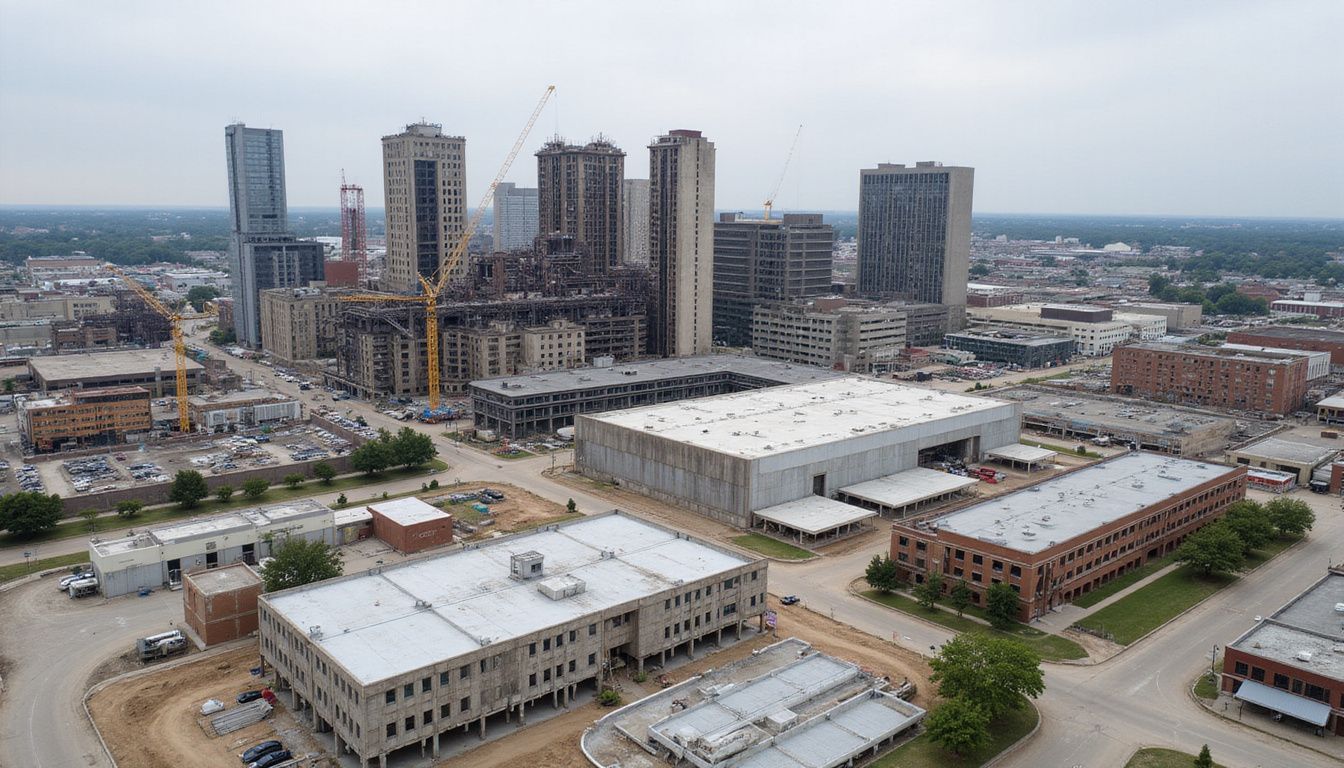
Tulsa has a diverse economy. Key industries include energy, aerospace, and healthcare.
Key industries driving Tulsa’s economy
The local economy shapes quick home sales. Jobs and industry drive cash offers.
- Energy sector leads jobs and spurs real estate liquidity with strong payrolls that boost housing demand and investor interest.
- Aerospace firms hire skilled workers, which raises buyer traffic and helps sellers get quick cash deals.
- Health care systems expand staff, increasing rental demand and steadying rental yield for buy and hold investors.
- Finance and banking firms provide capital options that ease financing and speed up property transactions.
- Manufacturing plants add stable employment, which improves affordability for buyers and keeps houses selling.
- Tech startups attract young workers, which lifts short-term rental markets and draws out-of-state investment.
- Logistics and distribution centers create steady wages, which help maintain market liquidity during slow months.
- Education institutions bring steady renters and buyers, which supports long-term investment and resale activity.
Job Market Growth and Its Impact on Real Estate
Job growth in Tulsa is strong. More jobs mean more people want to buy or rent homes, making the real estate market busier.
Major employers and job creation initiatives
Tulsa has many big employers that drive job growth. This helps housing demand and real estate liquidity.
- Williams Companies, an energy firm based in Tulsa, hires many workers and boosts local income, which raises buyer interest in homes and helps sellers get cash offers.
- BOK Financial, with headquarters in Tulsa, creates stable banking jobs and brings executives who buy higher priced houses, improving market liquidity.
- ONEOK, a major natural gas company, supports local payrolls and keeps demand steady for single family homes and rentals, which helps quick sales.
- Spirit AeroSystems runs large aerospace operations in the area and attracts skilled technicians, which adds to renter and buyer pools and attracts investor cash.
- Saint Francis Health System and Ascension St. John employ thousands in healthcare, which creates steady housing need and supports rental yield for investors who buy houses fast.
- QuikTrip, founded and run from Tulsa, expands retail jobs and draws workers who need affordable homes, helping cash buyers find tenants quickly.
- University of Tulsa brings faculty and students to the city and supports short term rentals, which can make a house sell faster for cash to investors.
- Tulsa Remote pays $10,000 to remote workers who move to Tulsa, which boosts demand for homes and makes the city more attractive to out-of-state buyers.
- Tulsa Regional Chamber runs job creation programs and recruits companies, which raises long term housing demand and improves chances of quick cash sales.
- City infrastructure projects and public investment create construction and service jobs, which increase buyer activity and help sellers convert property into cash faster.
Industries attracting workforce migration
Tulsa’s job market is growing. Many industries are bringing new workers to the area.
- Manufacturing plays a big role in Tulsa’s economy. Major companies create many jobs, attracting skilled workers.
- Aerospace and aviation sectors are strong. Big names like American Airlines and Spirit AeroSystems offer good employment options.
- Health care is expanding too. Hospitals and clinics need more staff as the population grows.
- Energy and oil have long been important in Tulsa. These sectors still provide jobs, even with changes in technology.
- Education also attracts newcomers. Schools and universities bring teachers and staff from other areas.
- Information technology is on the rise. Startups and tech firms draw young talent looking for fresh opportunities.
- Construction is booming with new projects. This growth leads to more jobs for builders and laborers.
These industries make Tulsa an exciting place for work. This means higher housing demand as new residents look for homes, increasing real estate liquidity in the city.
Tulsa’s Real Estate Market Overview
Tulsa’s real estate market shows a mix of opportunities and challenges. Home prices are rising, but affordability remains a concern for many buyers and renters.
Rental market trends and investor appeal
Tulsa’s rental market is strong. The demand for rentals increases as people move to the city for jobs. Many investors see this growth as a chance to earn money from rental properties. Rental prices have also gone up, making it appealing to buy homes that can be rented out.
Many renters prefer affordable options in good neighborhoods. This trend attracts more investors looking to make smart choices with their cash. As the economy grows, so does the interest in Tulsa real estate among buyers and sellers alike. Next, we will discuss economic factors influencing real estate liquidity.
Renter population statistics
The rental market shapes the real estate landscape in Tulsa. The renter population is a significant part of this dynamic. Around 48% of households in Tulsa rent their homes. This number has grown over recent years. Many people move to Tulsa for jobs and prefer renting at first.
Affordable rents attract new residents. Low housing costs make it easier for renters to settle down, especially younger adults and families. High demand for rentals leads to quick sales for homeowners looking to sell fast for cash. Understanding these statistics helps sellers target buyers effectively in the current market.
Economic Factors Influencing Real Estate Liquidity
Economic factors can greatly affect how easily homes sell in Tulsa. Access to loans, the stability of the economy, and interest rates all play a role. These elements show how strong or weak the market is for buyers and sellers.
Interested in learning more about how these factors shape real estate in Tulsa?
Access to capital for real estate transactions
Access to capital affects real estate deals in Tulsa. Many buyers need cash or loans to purchase homes. Banks and lenders play a big role here. They provide funds for buying property and investing in real estate.
The local economy can impact this access too. If businesses grow, people get jobs, and incomes rise. This often leads to more cash available for home purchases. It’s vital to have good financing options so sellers can sell quickly and buyers can grab opportunities.
Impact of economic stability on property sales
Economic stability helps property sales in Tulsa. When the economy is strong, more people want to buy homes. This means sellers can get better offers for their properties. Buyers feel secure in their jobs and finances, which makes them ready to invest in real estate.
If the economy falters, fewer buyers enter the market. Sales may slow down when uncertainty looms. Property owners might have to lower prices to attract buyers. Interest rates also play a role; higher rates can scare off potential homebuyers.
In turn, this affects how quickly houses sell.
Influence of interest rates on cash transactions
The impact of economic stability on property sales connects closely to interest rates. Interest rates directly affect cash transactions in real estate. High interest rates make borrowing more expensive.
This often leads buyers to hold off on purchasing homes. As a result, sellers may face longer wait times to sell their houses.
Low interest rates can speed up the market. More buyers enter the scene when loans are cheaper. Cash offers might stand out during these times since they promise quick deals without financing hassles.
Sellers looking for fast cash sales in Tulsa should keep an eye on these rate changes, as they influence demand and competition for properties significantly.
Market Demand and Investment Opportunities
Tulsa is becoming a hot spot for real estate. Many people see great chances to invest here due to rising demand and affordable prices.
Why Tulsa is considered a rising real estate market
Tulsa has seen a boom in its real estate market. The city is attracting new businesses and workers. This growth leads to more job opportunities, which boosts housing demand. Home prices are still affordable compared to other cities.
Investors are drawn to Tulsa’s rental market as well. More people want to rent homes here. This high demand helps keep rental yields strong. With cash flow growing, selling your house fast for cash becomes easier in this rising market.
Turnkey real estate investment potential
Turnkey real estate investment is a great option in Tulsa. Investors can buy properties ready for rental right away.
- These properties need little or no repairs. This means investors can start earning money quickly.
- The demand for rental homes is rising. More people are looking for places to rent in Tulsa.
- Turnkey homes often come with tenants already in place. This adds to the immediate cash flow for new owners.
- Buying a turnkey property allows for easy management. Investors can hire property managers to handle daily tasks.
- Many turnkey companies offer guarantees on rental income. This gives buyers peace of mind about their investment.
- It’s common to find good pricing in this market. Investors can get more value from their purchases compared to other areas.
- Turnkey investments attract out-of-state buyers, too. People see Tulsa’s growth potential and want to take part.
- Rental yields in this part of Oklahoma are appealing. Investors can expect good returns compared to many other markets.
The potential here is strong, especially with local policies supporting growth. Moving forward, examining key challenges will help understand how these factors affect real estate liquidity in Tulsa.
Factors attracting out-of-state investors
Tulsa offers many reasons for out-of-state investors to look here. The city’s growth and potential make it appealing.
- Low home prices make Tulsa an affordable place to invest. Many find better deals compared to other cities.
- A strong job market supports housing demand. Businesses keep growing, which brings in more workers.
- Rental yields are high in Tulsa. Investors can earn good returns from rental properties.
- Local policies support real estate investment. Programs and incentives help buyers feel secure investing here.
- Infrastructure improvements boost property values. New roads and buildings make the area more attractive for living and renting.
- A friendly business climate attracts new companies. More jobs bring people who need places to live.
- The city’s culture and community appeal to newcomers. Parks, museums, and events draw interest from various people.
- Economic stability helps protect investments. Investors feel safer putting their money in a strong market like Tulsa’s.
Tulsa’s advantages create a bright spot for those wanting fast cash sales or property investments in the future.
Key Challenges to Real Estate Liquidity in Tulsa
Selling a home in Tulsa can be tough. The real estate market faces issues that make it hard to quickly convert properties into cash.
Real estate as an illiquid asset
Real estate is an illiquid asset. This means it cannot be quickly turned into cash like stocks or bonds. Selling a home takes time because it involves finding buyers, negotiating prices, and completing paperwork.
In Tulsa, this can be frustrating for those needing fast cash.
Market conditions affect how quickly a property sells. Demand for homes varies with the economy and job growth in Tulsa. If people are moving to the area for work, housing demand rises; this may help you sell faster.
Yet, if the market slows down, selling your house can take longer than expected.
Barriers to portfolio adjustments during economic shifts
Portfolio adjustments face many barriers during economic changes. Selling a home quickly can be tough in a shaky market. Homeowners may hesitate to sell when prices drop or when jobs are unstable.
Fear of losing money keeps sellers from making fast decisions.
Access to financing plays a big role too. Lenders might tighten their requirements during economic downturns. This makes it harder for buyers to get loans. Less competition means lower offers on homes, which leads sellers to hold onto their properties longer than they want.
Market volatility adds more uncertainty, which can slow down property transactions and reduce liquidity in Tulsa’s real estate market.
Impact of market volatility on property transactions
Barriers to portfolio adjustments during economic shifts can lead to sudden changes in the market. Market volatility affects how quickly properties sell. During uncertain times, buyers may hesitate.
This caution can slow down transactions and lower home prices.
A drop in demand causes property values to fluctuate. Sellers might find it hard to get the price they want. Cash sales often become more appealing when the market is unstable. Investors may seek quick deals, which could help sellers who need fast cash for their homes in Tulsa.
Local Policies and Incentives
Local policies in Tulsa help boost real estate investment. They offer tax breaks and support programs for buyers. These incentives make it easier for people to invest in property here.
Want to learn more about how these policies can benefit you? Keep reading!
Government programs supporting real estate investments
Tulsa offers programs to help real estate investments. These initiatives make it easier for people to buy and sell homes quickly.
- The Tulsa Urban Renewal Authority helps improve neighborhoods. They focus on areas that need investment. This work increases property values and attracts buyers.
- The Oklahoma Housing Finance Agency provides loans for first-time homebuyers. It makes buying a home more affordable through low-interest rates.
- Tax incentives are available for real estate projects in Tulsa. Investors can get breaks on property taxes, making it cheaper to invest.
- Local grants support rehabilitation of older homes. These funds make it appealing to renovate instead of tear down.
- Homebuyer assistance programs exist for low-income families. These programs help people secure financing and find suitable housing.
- Job growth initiatives create a demand for homes in Tulsa. More jobs mean more people moving into the area, increasing housing needs.
- Construction permits are streamlined by city officials for new builds and renovations. This process saves time and encourages faster development.
These programs aim to boost the market by simplifying the buying and selling process in Tulsa’s real estate sector.
Tax incentives and their role in liquidity
Government programs help boost real estate investments. Tax incentives play a big part in this, too. They can make it easier for buyers to purchase homes and for sellers to find buyers quickly.
These incentives lower the cost of buying properties. Sellers benefit from more interested buyers who have extra cash on hand. This increase in buyer activity improves liquidity in the market, making it easier to sell homes fast for cash in Tulsa.
Training and resources for small business owners
Small business owners in Tulsa can find support to help them grow. Many resources are available to assist with real estate and other needs.
- Local workshops offer training on property investment. These sessions teach how to find good deals and manage properties well.
- Mentorship programs connect new business owners with experienced ones. This helps share lessons learned and avoid common mistakes.
- The Small Business Administration provides resources for financing. They guide you through loan options and grants that may fit your situation.
- Online courses cover topics like market trends and finance management. They can help improve knowledge about real estate investments.
- Networking events allow local business owners to meet each other. This can lead to partnerships and shared opportunities in the housing market.
- Community development organizations often offer guidance for understanding city regulations. Knowing the rules can make a big difference in success.
- Incubator programs support start-ups by providing space, tools, and training. Some focus on real estate businesses, which may benefit sellers looking for quick sales.
Investors should explore new opportunities as they arise. These resources will influence the future of real estate in Tulsa.
Role of Infrastructure and Development
Tulsa has made big investments in its roads and utilities. These projects help raise property values and attract new buyers.
Recent capital investments in Tulsa’s infrastructure
Recent capital investments have boosted Tulsa’s infrastructure. The city has spent money on roads, bridges, and public transit projects. These upgrades improve travel times and safety for residents. Better infrastructure can lead to higher property values in the area.
Stronger public works attract businesses and new residents. This growth increases housing demand in Tulsa’s real estate market. More people moving into the area means selling your house could be a smart choice right now.
Influence of public works projects on property values
Public works projects can boost property values in Tulsa. New roads, parks, and schools often make areas more appealing. These improvements attract buyers and renters. Investing in infrastructure raises the demand for homes nearby.
People looking to sell their houses fast may find increased interest due to these upgrades. A well-placed project can also speed up sales. Buyers want properties close to new amenities and services.
Connectivity and its effect on market appeal
Connectivity boosts market appeal in Tulsa. Good roads and access to public transport make areas more attractive. People want homes close to work, shops, and schools. Easy travel times help buyers feel happy about moving into the area.
Business growth also depends on strong infrastructure. It attracts new companies and jobs to Tulsa. More jobs mean more people looking for houses. This drives demand for real estate, raising prices and making it easier for sellers to find cash buyers quickly.
Future Outlook for Real Estate Liquidity in Tulsa
The future looks bright for real estate liquidity in Tulsa. Economic growth and new job opportunities will likely boost housing demand and attract more investors.
Projections for economic growth
Tulsa’s economy shows promise for growth. Key areas like aerospace, energy, and health care drive this expansion. Projections indicate a steady rise in jobs and investment over the next few years. This growth can boost home prices and make real estate more appealing.
Rising job numbers will increase housing demand. More people moving to Tulsa means more competition for homes. Sellers may find it easier to sell quickly for cash as interest rates remain stable. Economic trends suggest a bright future ahead for Tulsa’s real estate market. Next, we will explore emerging trends in real estate transactions in the area.
Emerging trends in real estate transactions
The real estate market in Tulsa is changing. Home sellers should stay aware of these trends.
- Cash offers are rising. Many buyers prefer quick, all-cash deals. This speeds up transactions and attracts more sellers.
- Young buyers are entering the market. Millennials seek homes that fit their lifestyles. They often want affordable options close to work and fun.
- Remote work increases demand for homes in quieter areas. Buyers now look beyond busy city centers. Suburban properties are gaining popularity.
- Flexible financing options are becoming common. Sellers can offer financing to attract more buyers. This can help close a sale faster.
- Technology is streamlining home sales. Digital tools make listing and selling easier than ever. Virtual tours allow buyers to view homes without visiting in person.
- Real estate investors are focused on rental properties. The rental yield remains strong in Tulsa, making investment appealing.
- Short-term rentals gain traction with platforms like Airbnb. Property owners see this as a way to earn extra income quickly.
- Sustainability features are important to buyers now. Energy-efficient homes attract interest and higher prices. Many people want properties that help the environment.
These trends show how the market shifts in Tulsa’s real estate scene can affect sellers looking for quick cash sales.
Long-term potential for cash flow markets
Emerging trends in real estate transactions show a bright future for cash flow markets. Investors are looking closely at Tulsa’s real estate for long-term gains. Cash flow markets can bring steady income from rental properties.
As job growth continues, more people will need places to live. This demand can lead to higher rents and better returns for property owners.
The potential is strong due to the city’s affordable home prices. Low interest rates also make it easier for buyers and investors to enter the market. Government incentives support these investments further, creating a friendly environment for real estate growth.
With these factors in play, Tulsa’s cash flow markets are worth exploring for those interested in property investment.
Conclusion
Tulsa’s economy is growing. This growth makes the real estate market more appealing. Job creation raises housing demand and supports rental rates. Local policies help investors, too.
With these factors, Tulsa shows promise for those looking to sell quickly or invest in property.
FAQs
1. What are the main economic factors affecting real estate liquidity in Tulsa?
The main economic factors include job growth, population trends, interest rates, and local investment. These elements can influence how quickly properties sell.
2. How does job growth impact real estate liquidity in Tulsa?
Job growth leads to more people moving to Tulsa. This increases demand for housing, making it easier to buy or sell properties quickly.
3. Why do interest rates matter for real estate liquidity?
Higher interest rates can make borrowing money more expensive. This may slow down buying and selling activity in the real estate market.
4. What role does local investment play in real estate liquidity?
Local investment boosts the economy by creating jobs and improving infrastructure. When investors put money into Tulsa, it often leads to higher property values and better sales conditions.