
You want to sell your house fast for cash in Tulsa, but you worry about legal problems after the sale. An as-is sale can still bring litigation risks, such as fraud or hidden defects that lead to lawsuits.
This post shows what risks to watch for and how to reduce your chance of a dispute. Read on to protect your sale.
Key Takeaways
- Selling a home “as-is” does not protect you from lawsuits if you hide problems or lie about the property’s condition.
- Oklahoma law requires sellers to tell buyers about dangerous defects buyers cannot find by looking at the house themselves.
- Vague or unclear contract language can lead to legal fights and confusion after the sale, so use clear, simple language in all documents.
- Giving written disclosures about all known issues and letting buyers get professional inspections helps lower your risk of being sued.
- Sellers should work with a lawyer to make sure contracts are clear and meet Oklahoma rules for as-is sales.
Understanding “As-Is” Property Sales
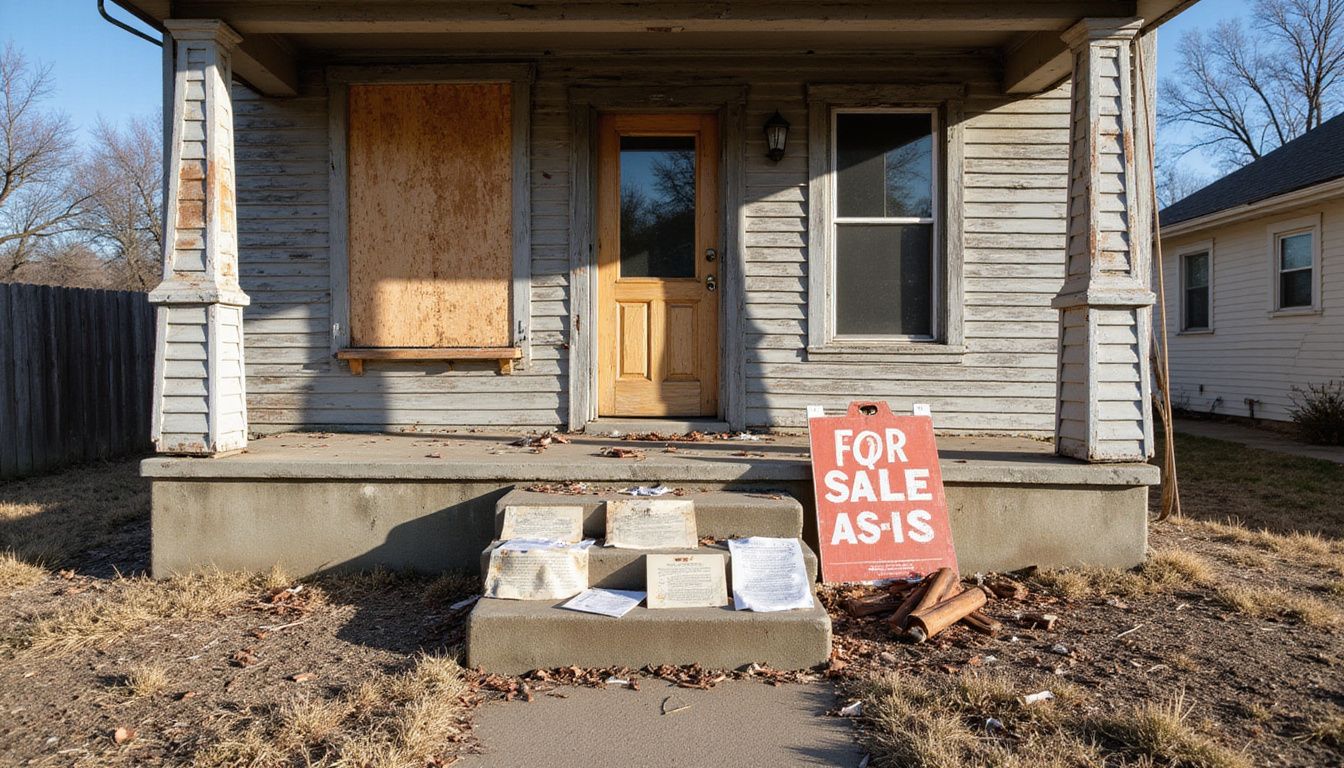
The next section explains what an “as-is” sale really means for a fast cash seller in Tulsa, Oklahoma.
An “as-is” sale lets a seller offer the house without fixing problems. This term does not fully protect a seller from litigation, like fraud or misrepresentation claims. A seller can face liability for active concealment of defects, and such acts can void the as-is waiver.
State law requires sellers to disclose known hazardous defects a buyer cannot find through inspection. Vague contract language can spark breach-of-contract disputes.
Give written disclosures of all known issues to cut risk. Urge buyers to get independent professional inspections so defects show up on a report. Ask a lawyer to write clear contract and waiver language to reduce litigation risk.
Common Litigation Risks in “As-Is” Property Sales
Selling a property “as-is” can lead to legal troubles. Buyers may claim the seller hid problems or failed to share important information about the home.
Fraud and Misrepresentation
Disclose known issues to cut liability.
An as-is sale does not shield sellers from fraud or misrepresentation lawsuits. Sellers who hide defects, like water damage, face liability and fraud claims. Active concealment can lead to litigation and civil penalties.
Local buyers who pay cash in Tulsa, Oklahoma may sue for misrepresentation.
You must disclose known material defects that are not easy to find. Vague or unclear contract terms can lead to breach-of-contract disputes. Written disclosures of known issues can lessen litigation risks.
Ask buyers to get an independent inspection and seek legal help for precise contractual clauses to enforce the as-is agreement and limit liability.
Active Concealment of Defects
Fraud claims can lead to active concealment of defects, which often drives litigation in as-is sales. Sellers can be sued for active concealment of defects if they hide problems like painting over water damage.
Courts may find the as-is agreement invalid if the concealment rises to fraud or liability.
Oklahoma law requires sellers to disclose hidden, hazardous defects that buyers cannot find on their own. Ambiguous contract language can spark disputes over concealment.
Provide written disclosure statements and encourage professional inspections to cut risk. Add clear contract clauses that address concealment to limit litigation.
Failure to Disclose Known Material Defects
Sellers must disclose known material defects. An “as-is” sale does not protect them from liability for false statements about the property’s condition. If sellers hide dangerous defects, they could face lawsuits.
This may also invalidate the “as-is” agreement. Sellers have a legal duty to reveal issues that standard inspections cannot find.
Vague contract terms can lead to disputes over undisclosed defects. Written disclosures of known problems can reduce litigation risk tied to disclosure failures. Consulting a lawyer can help you draft clear waiver language about these obligations.
Unclear or Vague Contract Terms
Unclear contract terms can lead to big problems. Ambiguous language often causes disputes about what is and isn’t included in “as-is” sales. This can confuse both sellers and buyers. It makes it hard to know the seller’s obligations and the buyer’s expectations.
Vague definitions of property conditions may expose sellers to lawsuits over undisclosed defects. Unclear legal terms can create loopholes that buyers may use to challenge the contract.
Poorly defined contract terms can also make it seem like sellers misrepresented their liability, leading to more trouble later.
Legal Challenges Sellers May Face
Sellers can face tough legal challenges when selling their property. Disputes over contracts or claims of hiding problems can lead to serious issues that sellers must handle carefully.
Breach of Contract Disputes
Breach of contract disputes often arise in “as-is” property sales. Buyers may claim sellers misrepresented the property condition or hid defects. An “as-is” clause does not protect sellers from false statements about the property’s issues.
Sellers must disclose hidden, dangerous defects that buyers can’t find during a regular inspection.
Ambiguous contract terms can lead to misunderstandings and disputes after the sale. Many times, unclear language causes problems between buyers and sellers. Sellers should use clear, precise language in contracts.
Doing so can help prevent legal challenges related to breach-of-contract claims down the line.
Claims of Negligence or Willful Concealment
Sellers can still face negligence or willful concealment claims even with “as-is” sales. If a seller hides problems like water damage, it can void the agreement. Misrepresentation also poses a risk.
This happens when sellers make false statements about the home’s condition.
Sellers must disclose any hidden hazards that normal inspections cannot find. Failure to do so can lead to legal issues. Unclear contract terms can also create disputes over breaches of agreement.
Written disclosures help protect against these claims and promote transparency in the sale process.
Strategies to Minimize Litigation Risks
Offer clear written disclosures about the property. This helps buyers know what they are getting and reduces surprise issues later.
Provide Comprehensive Written Disclosures
Sellers should provide clear, detailed written disclosures. This helps protect against claims of fraud and active concealment.
- Sellers must document all known issues with the property. This includes damages and prior repairs.
- Providing written disclosures can help avoid misunderstandings about the property’s condition. Buyers need to know what they are getting into.
- Disclosures should include hidden or hazardous defects that may not show up during standard inspections. These could cause serious problems later.
- Clear documentation serves as proof in disputes after the sale. It shows what the seller knew about the property’s condition.
- Encouraging buyers to read these disclosures improves transparency. They will feel more informed and confident in their purchase.
- Clear legal language is key to avoiding breach-of-contract claims. Vague terms can lead to confusion and disputes later.
- Full disclosures help build confidence between sellers and buyers. This generally makes for a smoother transaction.
These steps help sellers protect themselves while selling their homes quickly for cash in Tulsa, Oklahoma.
Encourage Professional Inspections
Providing written disclosures of known issues can help buyers understand the property better. Encouraging independent professional inspections is a smart move. These inspections let buyers closely assess the property’s condition.
A thorough inspection can uncover defects sellers may not know about or may not disclose.
Professional inspections boost transparency between buyers and sellers. They allow buyers to make informed decisions based on clear information. This process helps reduce risks linked with “as-is” sales, giving both parties peace of mind.
It also protects sellers from future claims by showing they were open about the home’s condition.
Use Clear and Precise Contract Language
Clear and precise contract language is key in “as-is” property sales. It reduces the chance of disputes after the sale.
- Ambiguous words can cause confusion. This may lead to breach-of-contract disputes.
- Sellers should get help from a legal professional. A lawyer can draft clear clauses for the “as-is” waiver.
- Clear language helps protect both parties involved. It reduces misunderstandings about what the sale includes.
- Specific terms detail what sellers are responsible for. This clarifies contractual obligations.
- Avoid vague terms that invite interpretation. Unclear wording increases litigation risks.
- Use straightforward language that everyone can understand. This helps all parties agree on the sale conditions.
- Well-drafted contracts create trust between buyers and sellers. Trust means fewer conflicts after closing.
- Clearly state any waivers for known issues with the home, like cracks or leaks, to avoid future claims.
- The right words matter in legal matters related to selling homes as-is, so take time when drafting them.
- Good communication through written contracts lowers risks and helps ensure smooth transactions in Tulsa, Oklahoma.
Clear, precise contract language protects you during an “as-is” sale and helps safeguard your interests from potential issues down the road.
Conclusion
Selling a property “as-is” doesn’t mean you are free from risks. Sellers still face issues like fraud and hidden defects. Disclosing known problems helps protect against lawsuits.
It’s wise to have clear contracts and allow for professional inspections. Taking these steps can make the selling process smoother and safer for everyone involved.
FAQs
1. What are as-is property sales?
As-is property sales mean the seller sells a property in its current condition. The buyer accepts it without asking for repairs or changes.
2. What litigation risks come with as-is property sales?
Litigation risks include lawsuits over undisclosed problems, safety issues, and misrepresentation of the property’s condition. Buyers may claim they were not informed about defects.
3. How can sellers protect themselves from legal issues?
Sellers can protect themselves by being honest about the property’s flaws. They should provide clear disclosures and keep records of all communications with buyers.
4. Can buyers still sue after an as-is sale?
Yes, buyers can still sue after an as-is sale if they find serious issues that were hidden or not disclosed before the sale.