
You want to sell your house fast for cash, but worry about repair costs. One key fact is that many use a square-foot cost of $15 to $60 to estimate repair costs. This post will show how to estimate repairs for an as-is sale, use ARV, and add a 10% to 15% buffer.
Read on to learn how.
Key Takeaways
- Use a square-foot cost of $15 to $60 to estimate repair expenses before selling your house as-is. Add a 10%-15% buffer for unexpected problems.
- Major repairs are costly: Roofs can cost $5,000–$15,000+, HVAC systems run $5,000–$10,000 each, foundations need up to $25,000, and electrical upgrades range from $2,000–$10,000.
- A pre-listing inspection shows buyers what needs fixing. This helps set a clear price and can stop low offers.
- Investors use the 70% Rule: the offer is 70% of the After-Repair Value (ARV) minus estimated repair costs. This helps sellers see what investors might pay.
- Simple updates like fresh paint or fixing floors give a high return for little money. These cosmetic repairs help sell homes faster in Tulsa.
What Does Selling a House As-Is Mean?
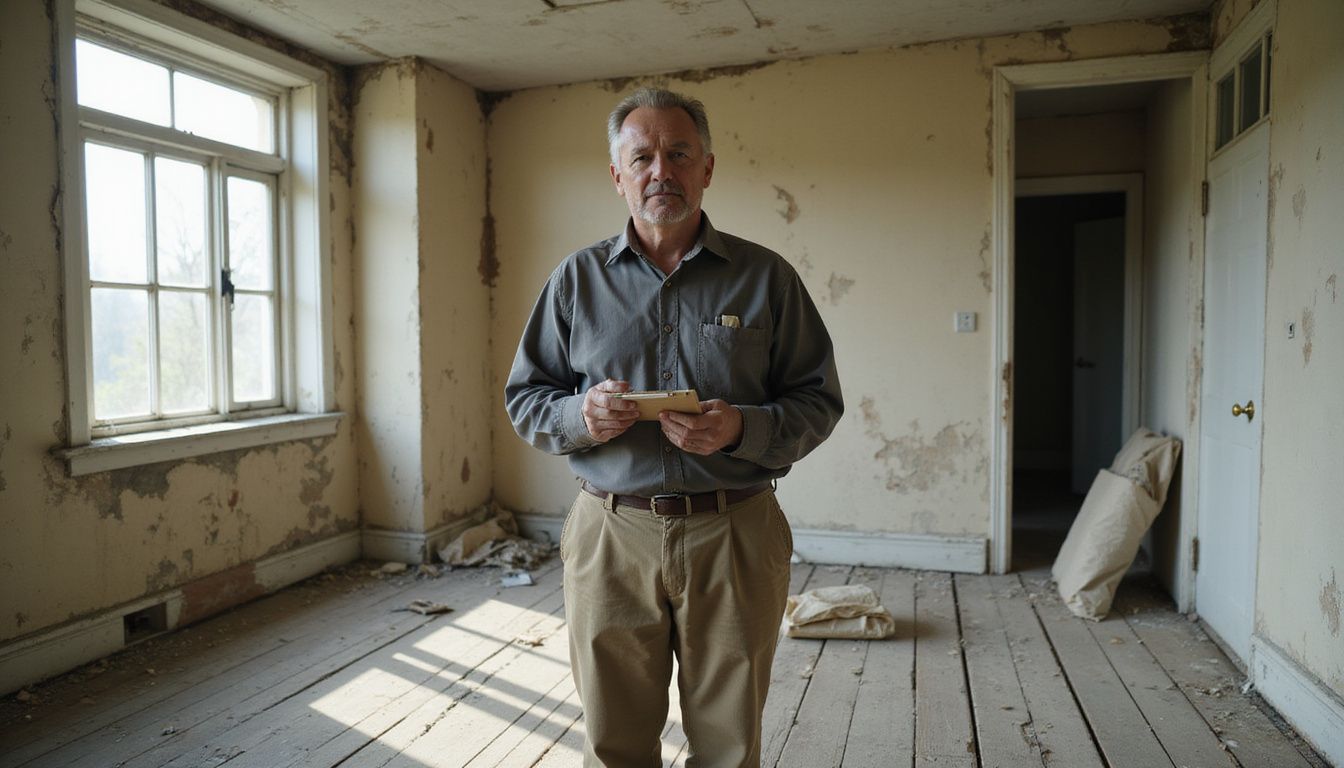
Moving from the intro, selling a house as-is means the seller will not make any repairs or renovations before the sale. The buyer will handle any repairs or maintenance after closing.
Such properties often sell for a lower price because of their condition. Sellers in Tulsa use as-is sales to speed up the sale process and get cash fast.
Selling as-is lets investors buy fixer-upper homes and factor in repair costs in their offers.
Many buyers order a home inspection to check the property’s condition and estimate repair costs. Investors see this as a real estate investment opportunity and expect to remodel or renovate.
Why Estimating Repair Costs is Important
Estimating repair costs helps you set the After-Repair Value (ARV) and total renovation expenses. A square-footage multiplier of $15 to $60 applies depending on the house’s rehab needs.
You should add a 10%-15% buffer for unforeseen issues. Major structural and mechanical repairs can cost from $2,000 to over $25,000. A pre-listing inspection gives transparency, reduces lowball offers, and helps justify the asking price.
Accurate estimates allow sellers to negotiate with buyers or investors without performing the repairs themselves. Investors use the 70% Rule to calculate maximum purchase offers, factoring in repair costs relative to the ARV.
Sellers in Tulsa who want fast cash can use these figures to set realistic prices and avoid surprise bills. A clear repair budget helps with property valuation, cost estimation, home inspection results, and negotiation strategy.
Next, we will review key factors that influence repair costs.
Key Factors That Influence Repair Costs
Key factors can change repair costs. The condition of your home plays a big role. What repairs you need also matters. Your home’s location can impact prices, too. Market trends affect costs as well.
Want to learn more? Keep reading!
Home’s Condition
Assess the home’s condition first. Calculate the ARV and total renovation costs from that condition. Use a square-footage multiplier of $15 to $60 per square foot. Add a 10%-15% buffer to the repair budget for surprises.
Know your numbers before you sell.
Major systems drive costs, such as HVAC at $5,000 to $10,000, roofs at $5,000 to $15,000 plus, foundations at $5,000 to $25,000, and electrical upgrades at $2,000 to $10,000. Apply the 70% Rule to compare ARV and repair estimates for investor offers.
Get a pre-listing inspection to help estimate costs and support your asking price. Next, check the type of repairs needed.
Type of Repairs Needed
Home condition affects the type of repairs needed. Major repairs can cost a lot. A new HVAC system may run from $5,000 to $10,000. Roof replacement costs range from $5,000 to over $15,000.
Foundation repairs can be even more expensive, ranging from $5,000 to $25,000.
Upkeep is crucial for selling your house fast in Tulsa. Buyers will want to know about necessary improvements before making an offer. Focus on essential fixes that boost your home’s value and comfort.
Home’s Location
A home’s location greatly affects repair costs. Property value often varies by geographic area. Houses in popular neighborhoods face higher repair expenses. Local market conditions can change what buyers expect and what sellers need to fix.
Accessibility also plays a role. If repairs require special equipment, costs may rise. Labor costs depend on the area’s demand for workers, too. Material availability also affects prices; if items are hard to find, they become more expensive.
Climate conditions in Tulsa could lead to unique wear and tear on homes, influencing the repairs needed, too. These factors all stem from neighborhood trends and insurance rates that vary across different areas.
Next, we will discuss key methods to estimate repair costs effectively.
Current Market Trends
Next, review market trends that affect repair cost estimates in Tulsa.
| Trend | What It Means | Action for Cash Sellers |
|---|---|---|
| Buyer demand for quick purchases | Demand can raise cash offers for homes that need little work. | Price slightly higher for small fixes to get better offers. |
| Contractor availability | Fewer contractors can push up repair timelines and costs. | Get at least two estimates before listing. |
| Material prices | Higher material costs increase total repair budgets. | Shop for used or discounted materials when possible. |
| Investor activity | Local investors may offer lower prices to cover repairs. | Use repair estimates to counter low offers with facts. |
| Interest rate shifts | Rising rates can reduce buyer cash flow and demand. | Consider cash buyers who avoid loan hurdles. |
| Neighborhood comparables | Nearby sale prices guide realistic post-repair values. | Compare recent Tulsa sales before setting the ask price. |
Methods to Estimate Repair Costs
You can use a pre-listing inspection to identify repair needs before selling your house. Another way is to estimate costs based on square footage, which helps you understand how much repairs might cost in total.
Pre-Listing Inspection
A pre-listing inspection can help you sell your house faster. It gives buyers a clear picture of the home’s condition.
- A pre-listing inspection enhances transaction transparency. Buyers will have more trust because they see all details up front.
- Lowball offers are reduced. When buyers understand your property’s status, they are more likely to offer fair prices.
- The inspection helps refine repair estimates. You’ll know exactly what needs fixing and how much it may cost.
- Issues can be addressed before listing. Fixing problems now means fewer surprises during negotiations.
- Sellers feel more confident and informed at the negotiating table. Knowledge about repairs boosts your bargaining power.
- More serious buyers will come to check out your property. A well-maintained home catches attention, making your sale easier.
Next, let’s look at common repairs to consider when estimating costs for potential buyers.
Using a Square-Footage Multiplier
Estimating repairs can also use a square-footage multiplier. This method calculates costs based on your home’s size. The square-footage multipliers range from $15 to $60 per square foot.
The price depends on how much work needs to be done.
To get an accurate estimate, you should multiply the total area of your house by these numbers. For example, if your home is 1,500 square feet and needs moderate repairs at $30 per square foot, then repair costs could be around $45,000.
Adding a 10%-15% buffer helps cover unforeseen issues that may arise during repairs.
Adding a Contingency Buffer for Unforeseen Issues
Add a 10%-15% buffer to your repair budget. This extra money helps cover unforeseen issues. Major problems can arise, especially with HVAC systems, roofs, foundations, and electrical upgrades.
These repairs often cost more than planned.
Ensure this contingency buffer is part of your total repair estimate for accuracy. Historical costs can help you prepare for unexpected expenses. Always set aside this extra cash when budgeting for repairs on your house in Tulsa.
Common Repairs to Consider
Homes often need repairs before selling. Common fixes can involve the roof, HVAC systems, foundations, or electrical work. Knowing these needs helps you plan better. For more details on typical repairs to think about, keep reading!
Roof Replacement
Roof replacement costs range from $5,000 to over $15,000. The price depends on the size of your home and the type of roofing material you choose. Major repairs, such as roof replacement, can significantly increase total renovation costs.
Investors know this well and often use the 70% Rule when making offers. They factor in these high expenses before buying, which affects how much they are willing to pay for your house.
HVAC System Updates
HVAC systems need attention before selling your house. A replacement can cost between $5,000 and $10,000 for each unit. An old or faulty system lowers your property’s value. Sellers should check the condition of their HVAC systems.
Conduct a pre-listing inspection to spot any issues early on. Budget for repairs, with an extra 10%-15% in case you find unexpected problems. Upgrading the HVAC system could boost your home’s value, too.
Buyers look for efficiency and newer systems when making offers.
Foundation Repairs
Foundation repairs can cost between $5,000 and $25,000. The price depends on the severity of the damage. Cracks in your foundation may signal settlement issues or soil problems. Waterproofing might be needed to prevent water from getting into your home.
Slab repairs could also be necessary if there are significant cracks.
A pre-listing inspection can help find foundation issues early. This step can save you money later by estimating repair costs up front. Add a 10%-15% buffer for unexpected problems.
Buyers often consider these repair needs when making offers, using the 70% Rule for investor purchases. Keep these factors in mind to clearly understand potential expenses related to foundation work.
Electrical System Upgrades
Electrical upgrades for outdated systems can cost between $2,000 and $10,000. Buyers often look for modern electrical systems. A square-footage multiplier of $15 to $60 per square foot helps estimate total renovation costs related to electrical work.
Adding a 10%-15% buffer is smart. This extra money covers any unforeseen issues with the upgrade budget.
A pre-listing inspection shows buyers the condition of your electrical system. This helps create transparency in the sale process. It also gives you facts that aid in negotiations with buyers interested in your house as-is.
Next, let’s discuss common repairs you should consider when selling your home quickly.
The 70% Rule for Investor Offers
The 70% Rule helps investors decide how much to pay for a house. It works like this: first, find the home’s After-Repair Value (ARV). The ARV is the value the house will be worth after all repairs are completed.
Next, take 70% of that value. From this amount, subtract estimated repair costs to get the maximum offer price. This method keeps investors aware of the risks while ensuring they can still earn money after fixing up their property.
Estimated repair costs vary based on what needs fixing in your house. They can cost between $15 and $60 per square foot, depending on the amount of work required. For instance, roof replacements range from $5,000 to over $15,000, while foundation repairs can hit anywhere from $5,000 to $25,000.
Adding a buffer between 10% and 15% for unforeseen problems also makes sense; it covers any hidden issues found later during inspections or renovations before selling your home as-is in Tulsa, Oklahoma.
How Repair Estimates Impact Buyer Negotiations
Repair estimates help set a fair price for your home. They show buyers what to expect in repairs. This transparency can lead to better offers. Buyers appreciate knowing the costs up front.
Want to learn more about this topic?
Pricing Transparently Based on Repair Costs
Buyers want a fair price. Pricing transparently based on repair costs helps achieve that. Start by calculating the After-Repair Value (ARV). This is what your house could sell for after repairs.
Estimate total renovation costs using a square-footage multiplier of $15 to $60. This amount depends on how much work your home needs.
Include a buffer in your budget for unexpected issues, usually 10% to 15%. Major repairs can be expensive. For instance, HVAC updates may cost between $5,000 and $10,000. A new roof could cost between $5,000 and over $15,000.
Foundation work might set you back between $5,000 and $25,000, while electrical upgrades can vary from $2,000 to $10,000.
Using the 70% Rule also helps buyers better understand offers. Offer them 70% of the ARV, minus estimated repair costs, to ensure transparency during negotiations. Conducting a pre-listing inspection builds trust with buyers, too; it shows you are serious about being honest about your home’s condition and prevents lowball offers.
Next up are common repairs that sellers should consider before making an offer.
Attracting the Right Buyer Pool
Attracting the right buyer pool matters. You want buyers who are serious about purchasing your house fast for cash in Tulsa, Oklahoma. These buyers often look for homes needing little work.
They focus on fair prices based on repair estimates. Clear pricing shows them what to expect. It builds trust and makes negotiations smoother.
Repair estimates can help filter out the wrong buyers. A transparent approach allows you to connect with investors or cash buyers ready to act quickly. Next, we will explore how these repair estimates impact buyer negotiations.
Alternatives to Selling As-Is
9. Alternatives to Selling As-Is: You can make some small repairs for a better price. Partnering with a cash offer company might help too. Each choice has its benefits, so keep reading to learn more!
Making Cosmetic Repairs with High ROI
Here are quick cosmetic repairs that sell fast in Tulsa.
| Repair | Summary Points |
|---|---|
| Fresh Paint |
– Use neutral tones on walls. – Paint trims and doors for a clean look. – Small cost, big return. – No Data.
|
| Curb Appeal |
– Trim bushes and mow the lawn. – Add simple plants or mulch. – Clean or paint the front door. – Low cost, fast impact.
|
| Flooring Updates |
– Fix damaged floor sections. – Clean or refinish hardwood. – Replace worn carpet with neutral options. – Buyers notice floors first.
|
| Kitchen Touches |
– Paint cabinets or change handles. – Swap old faucets for new ones. – Update light fixtures for brightness. – Small changes, good return.
|
| Bathroom Fixes |
– Regrout tile and seal edges. – Replace old fixtures and mirrors. – Add fresh towels and mats for staging. – Clean spaces sell faster.
|
| Lighting and Hardware |
– Replace dim or dated fixtures. – Swap outlet covers and switch plates. – Increase brightness across rooms. – Cheap upgrades, visible effect.
|
| Declutter and Stage |
– Remove personal items and extra furniture. – Use simple decor for photos. – Rent a few pieces if needed. – Clean homes get top offers.
|
| Minor Exterior Repairs |
– Fix loose gutters and loose shingles. – Repair cracks on walkways. – Power wash siding and driveways. – Small fixes improve first impressions.
|
Partnering with a Cash Offer Company
Selling your house as-is can be tough. Partnering with a cash offer company can make it easier. Cash buyers are ready to buy homes quickly. They want houses that need repairs or updates.
This option works well for sellers who want to close deals quickly.
A cash offer company provides quick sales without long waits. You do not have to deal with lengthy contracts or many showings. Instead, you get a fair price based on your home’s condition.
Working with these companies means less stress and more time for what matters to you in Tulsa, Oklahoma.
Conclusion
Estimating repair costs is key for selling your house as-is. Knowing these costs helps you set a fair price. It also aids in negotiations with buyers. Calculate wisely to avoid surprises later.
With the right information, you can sell quickly and confidently.
FAQs
1. Why should I estimate repair costs before selling my house as-is?
Estimating repair costs helps you know how much money you may need to fix issues. This knowledge can help set a fair price for your house.
2. How can I find out the repair costs for my home?
You can get estimates by hiring a home inspector or contractor. They will look at your house and tell you what needs fixing and how much it might cost.
3. What types of repairs should I consider when estimating costs?
Consider repairs such as plumbing, electrical work, roofing repairs, or painting. These are common areas that buyers may want fixed before buying a home.
4. Will knowing repair costs help me sell my house faster?
Yes, knowing the repair costs gives you an idea of what to expect when selling your house as-is. It helps in pricing and makes potential buyers feel more confident about their purchase.