
You want to sell your Tulsa house fast for cash but fear legal trouble from hidden problems. Selling a home as-is does not free a seller from Disclosure Requirements As-is, or from telling buyers about known defects.
This post will list rules you must follow, defects you must report, and steps to stay safe. Read on to learn more.
Key Takeaways
- Selling a house as-is does not remove the seller’s duty to tell buyers about known defects, like leaking roofs or broken pipes.
- Federal law requires sellers to share information about lead-based paint if the home was built before 1978. Sellers must give buyers an EPA booklet on lead hazards.
- Each state has its own rules for what sellers must disclose in real estate deals. States like California and New York have strict laws; others may allow disclaimer forms but still require honesty about problems.
- Failing to disclose property issues can cause legal trouble for sellers, including lawsuits or paying repair costs after closing.
- Buyers should always get a home inspection and read all disclosure documents carefully before buying any as-is home.
What Does “As-Is” Mean in Real Estate?
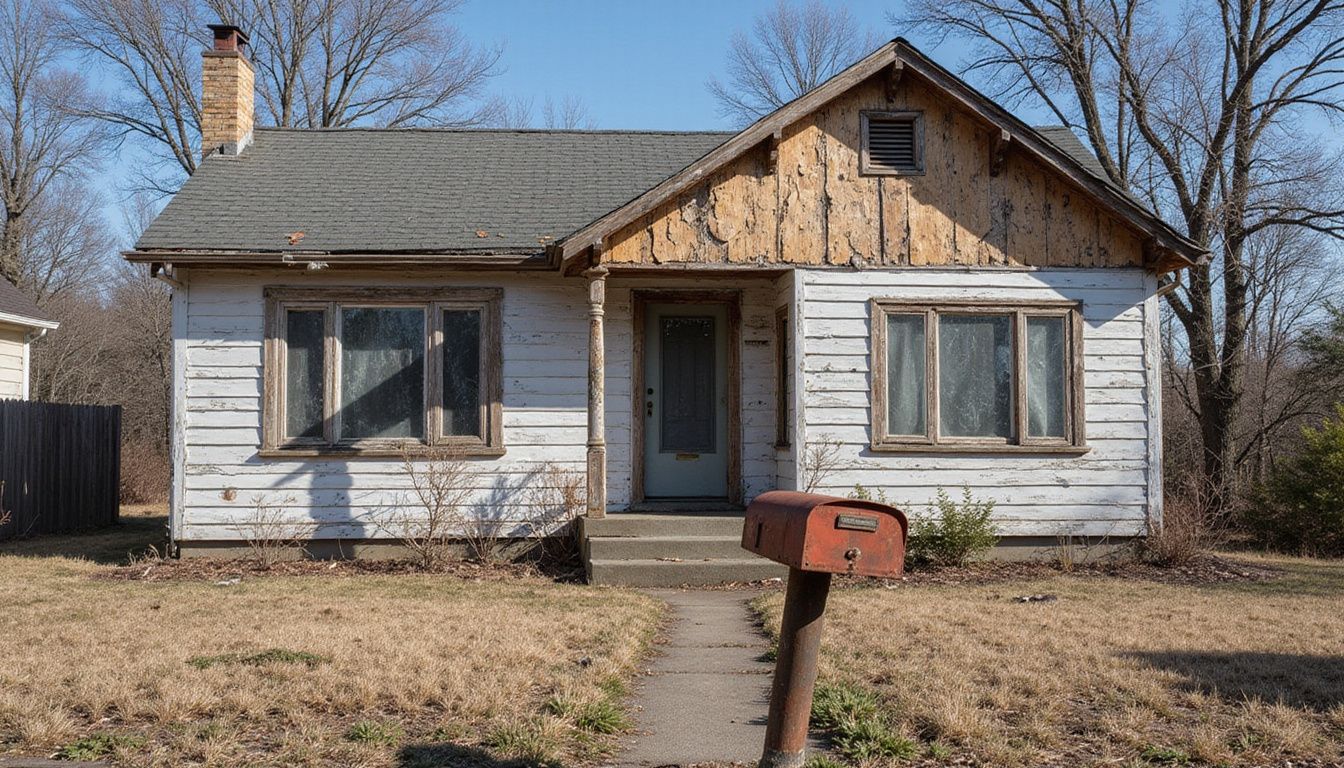
As-Is” in real estate means the seller sells the property in its current state. The buyer accepts any issues without expecting repairs or changes.
Definition of “As-Is” in Sales
Selling your Tulsa house as-is means you will not make repairs before the sale. You still must tell buyers about known issues with the property condition, like leaking roofs and broken plumbing.
State rules differ on what to disclose, and federal law requires hazard disclosure for lead-based paint in homes built before 1978. Buyers hold buyer responsibility to get inspections, so many cash buyers still order a full inspection before completing the transaction.
Sellers must disclose known material defects even in as-is sales.
Misconceptions About “As-Is” Sales
Many sellers think as-is means they can skip disclosure. An as-is sale means the seller will not make repairs. Sellers must still tell buyers about known issues on the property. Buyers should hire an inspection to find problems before closing.
Some defects need clear disclosure. Sellers must report material defects like leaking roofs and broken plumbing. They must also list latent defects such as toxic mold and faulty wiring.
Federal regulations require lead-based paint disclosure for homes built before 1978. State laws differ on checklists and disclaimers, so sellers must follow local regulations to stay in compliance.
Importance of Real Estate Disclosures in As-Is Sales
Real estate disclosures are key in as-is sales. They help buyers know the true condition of a property before buying it.
Legal Obligations for Sellers
Sellers in Tulsa, Oklahoma must disclose known property issues even in as-is sales. They must be truthful about the condition of the property and follow disclosure laws. Known material defects like leaking roofs and faulty heating systems must be listed and noted for transparency.
Disclose known defects to avoid liability.
Sellers also must reveal latent defects, such as toxic mold and faulty wiring. Federal law requires lead-based paint disclosure for homes built before 1978. These seller obligations protect buyers, limit liability, and require compliance with state rules, so next learn how sellers protect buyers from hidden issues.
Protecting Buyers From Hidden Issues
Sellers must disclose known issues with the property, even in as-is sales. This law helps protect buyers from hidden problems. Buyers should know about material defects like leaking roofs and broken plumbing.
Sellers cannot hide these issues to avoid repairs.
Latent defects also need to be disclosed. These include hidden dangers such as toxic mold and faulty wiring. If a home was built before 1978, sellers must tell buyers if there is lead-based paint too.
Knowing this information allows buyers to make informed decisions about their purchases.
Mandatory Disclosure Requirements
Sellers must share key details about their property. This helps buyers know what problems may exist before making a decision.
Material Defects
Material defects are major problems in a home. These include leaking roofs, broken plumbing, and faulty heating systems. Sellers must tell buyers about these issues even for an as-is sale.
Buyers need to know what they might face after the purchase.
Latent defects also matter. These are hidden issues like toxic mold or improper wiring. Federal rules require sellers to disclose lead-based paint if the home was built before 1978.
In Tulsa, Oklahoma, being honest about material defects protects both sellers and buyers from future troubles. Transparency is key in any real estate transaction.
Latent Defects
Latent defects are hidden problems that sellers must disclose. These include issues like toxic mold and faulty wiring. Sellers have a legal duty to reveal any known latent defects, even in “as-is” sales.
Buyers should conduct their own inspections to find potential hidden issues.
State laws may change the rules on disclosing these defects. Federal regulations require sellers to inform buyers about lead-based paint in homes built before 1978. It is crucial for sellers to be honest about property conditions.
This helps build trust with buyers and protects everyone involved in the sale.
Federal Hazards (e.g., Lead-Based Paint)
Sellers must disclose lead-based paint if their home was built before 1978. This is a federal rule that cannot be ignored, even in “as-is” sales. Lead exposure can cause serious health risks, especially for children.
Sellers should provide buyers with a pamphlet about lead hazards.
Not telling buyers about these issues can bring legal trouble for sellers. It is crucial to follow safety regulations related to lead-based paint during real estate transactions. Protecting home buyers starts with transparency about environmental hazards like this one.
State-Specific Disclosure Rules
State rules on property disclosure are different across the country. Some states require detailed reports, while others allow sellers to provide simple disclaimers.
States With Strict Disclosure Requirements
Here are states known for strict disclosure rules.
| State | Key Requirements | What Sellers Should Know |
|---|---|---|
| California |
Must disclose known material defects. Must reveal latent defects not obvious to buyers. Requires many local addenda and hazard notices.
|
Disclose problems even if selling as-is. Buyers still should get inspections. Failure to disclose can bring legal penalties.
|
| Massachusetts |
Sellers must list material defects in writing. Hidden safety risks must be revealed. State rules go beyond federal needs.
|
Known issues must appear on forms. As-is label does not remove duty to tell. Missed disclosures can create financial liability.
|
| New York |
Requires clear disclosure of property condition. Latent defects must be reported if known. Local laws may add more steps.
|
Sellers must give honest facts about major flaws. Buyers are urged to order a home inspection. Legal action can follow non-disclosure.
|
| New Jersey |
Duty to disclose material facts and defects. Many courts favor buyer protections. Sellers face tough remedies for hiding issues.
|
Even fast cash sales need full disclosure. Known latent defects must be shared. Damages can include repair costs and penalties.
|
| Connecticut |
Requires disclosure of material and latent defects. Environmental and health hazards get special attention. State rules can exceed federal standards.
|
Disclose lead risks for older homes. Buyers should still inspect before buying. Laws aim to protect buyers from surprises.
|
| Maryland |
Allows a disclaimer form in some cases. Hidden health or safety risks must still be disclosed. Federal and state rules both apply.
|
A disclaimer does not excuse hiding dangers. Sellers must tell about known hidden hazards. Buyers should not skip inspections.
|
| Federal Rule (All States) |
Lead-based paint disclosure required for homes built before 1978. Sellers must give buyers an EPA pamphlet and disclosures. Federal law applies alongside state law.
|
Check build year, 1978 is the cutoff date. Disclosure needed even in as-is deals. Ignoring this rule can cause federal penalties.
|
| General Notes |
Laws vary by state and can be strict. Sellers must disclose known material defects regardless of as-is. Some states require latent defect disclosure.
|
Fast cash sellers in Tulsa still face disclosure duties. Buyers are encouraged to do independent inspections. States may add rules beyond federal law to protect buyers.
|
States Allowing Disclaimer Forms
Many states that require strict disclosures do allow sellers to use disclaimer forms in some sales, but rules differ by state and risk type.
| Topic | What This Means for Tulsa Cash Sellers |
|---|---|
| Which states allow disclaimer forms? | Certain states let sellers use disclaimer forms during as-is sales. Sellers should check state rules before listing. Do not assume Oklahoma rules match other states. |
| Effect of a disclaimer form | A disclaimer can limit some seller promises about defects. A form does not erase the seller’s duty to reveal known problems. Cash buyers in Tulsa still expect honesty. |
| Known issues still must be disclosed | Sellers must report known defects even with a disclaimer. Oklahoma sellers cannot hide problems and claim an as-is sale lets them skip disclosure. |
| Hidden health and safety risks | Maryland allows disclaimers, but requires disclosure of hidden health and safety risks. This shows a disclaimer does not override certain protections. Other states may follow similar rules. |
| State law variation | Laws vary from state to state. Some states have strict requirements. Others accept disclaimer forms. Tulsa sellers should learn Oklahoma law before using any form. |
| Practical advice | Talk to a local real estate attorney. Get a pre-sale inspection when possible. Give accurate information to speed a cash sale and limit future liability. |
Common Areas Requiring Disclosure
In as-is sales, sellers must disclose key issues with the property. Buyers need to know about problems that can affect safety and value.
Structural Issues and Roof Damage
Sellers must tell buyers about structural issues and roof damage. This includes known problems like leaking roofs. These are called material defects. Sellers should report any defect that affects safety.
Latent defects, such as toxic mold from roof leaks, also need to be shared. Laws on what must be disclosed can differ by state. Failing to inform buyers could lead to legal trouble or financial costs for repairs later on.
Roof damage can lower property value and may cause serious safety concerns for future homeowners.
Plumbing, Heating, and Electrical Systems
Structural issues and roof damage can affect many parts of a home. Plumbing, heating, and electrical systems are just as crucial. Sellers must disclose any known material defects in these areas during an as-is sale.
If there are significant plumbing problems like broken pipes, sellers need to inform buyers. A malfunctioning heating system also counts as a material defect that requires disclosure.
Faulty wiring is another issue that falls under latent defects sellers should report. Different states have different rules for these disclosures, so it’s important to know your obligations in Oklahoma.
Federal laws also require the disclosure of hazards like lead-based paint if the home was built before 1978.
Mold, Radon, and Environmental Hazards
Next, let’s discuss mold, radon, and environmental hazards. Sellers must disclose known issues with toxic mold. This type of mold can harm health. It is also required to reveal latent defects like this during the sale.
Radon gas is another concern for sellers. Depending on state laws, you may need to share if there are high levels of radon in the home. Pollution can come from many sources and affect air quality and safety.
Homeowners who skip disclosure may face serious legal problems later on due to potential health risks or contamination issues that arise after the sale.
Local Ordinance Violations
Local ordinances set rules for properties. These rules can include zoning laws, building codes, and safety standards. Sellers must disclose any local ordinance violations on their property.
Violations may affect the home’s value and appeal to buyers.
Ignoring these disclosures can lead to legal issues and financial costs later. Buyers want confidence that a home meets all local guidelines. Home sellers should be aware of these requirements before listing their property for sale in Tulsa, Oklahoma.
Next up are the consequences of failing to disclose important information about your property.
Septic Tanks and Drinking Water Quality
Septic tanks can affect drinking water quality. They treat wastewater from homes that are not connected to a sewer system. If they fail, they may leak harmful contaminants into the ground and nearby water sources.
This can pollute groundwater and harm health.
Buyers will want to know about septic tank condition before buying your home. Contaminated water can lead to serious health risks like infections or stomach illness. It is important for sellers to disclose any issues with the septic system and its impact on drinking water safety.
Following local regulations for inspection and maintenance can help keep everyone safe.
Consequences of Failing to Disclose
Sellers can face legal penalties if they do not disclose important issues. They may also be responsible for covering repair costs and damages later on.
Legal Penalties for Non-Disclosure
Not disclosing issues can lead to serious legal penalties. Sellers may face fines or lawsuits if they hide problems with the property. Buyers have the right to know what they are buying.
Lack of transparency can bring even more trouble.
Legal obligations require sellers to share important information about the home. Failure to do so may result in financial liability for repairs and damages later on. This means sellers could end up paying for fixes, which could be costly.
Financial Liability for Repairs and Damages
Sellers of “as-is” properties must disclose known issues. If they fail to do so, they can face financial liability for repairs. Buyers have the right to seek damages for hidden defects.
This means that if something is wrong with the property and it was not shared, the seller may pay for fixing it.
Federal rules require sellers to inform buyers about hazards like lead-based paint. If a seller does not follow these regulations, penalties can occur. State laws also affect how much liability a seller has.
In Maryland, sellers risk costs if they hide health or safety risks. Disclaimers will not free sellers from responsibility if they know about defects in their home.
How to Ensure Compliance as a Seller
Hire a real estate attorney for help with the rules. Get a pre-sale inspection to find any problems before selling.
Hiring a Real Estate Attorney
A real estate attorney can help you sell your house fast in Tulsa. They provide legal representation during the property transaction. Their job includes reviewing contracts and making sure everything is correct before closing.
These experts also handle title searches to confirm that there are no issues with ownership. They can guide you through seller obligations and any compliance issues related to disclosure requirements.
Having an attorney on your side makes the process smoother, especially when negotiating details or managing any legal problems that arise.
Conducting a Pre-Sale Inspection
A pre-sale inspection is a smart step for sellers. It helps find problems before listing the house.
- Hire a licensed inspector. They know what to check and how to report findings clearly.
- Schedule the inspection early. This allows time to fix issues before selling.
- Review the inspection report carefully. Look for major issues like roof leaks or electrical problems.
- Compare repair costs against your sale price. Decide if fixing items is worth your time and money.
- Share the inspection report with buyers. This shows honesty and can build trust.
- Keep records of any repairs made after the inspection. Buyers will appreciate knowing what you fixed.
- Follow your state’s guidelines on disclosures after the inspection. Make sure you comply with local laws.
- Be ready for questions from potential buyers after they see the report. Clear answers can ease their concerns.
- Use any positive findings in your marketing materials, too. Highlighting good aspects can attract more buyers.
- Understand that even with an inspection, disclosure is still key in as-is sales; being open leads to smooth transactions.
Taking these steps helps sellers prepare better and sell faster, especially in markets like Tulsa where cash deals are common.
Providing Accurate and Honest Information
Sellers must provide accurate and honest information about their property. This means disclosing any known material defects, like leaking roofs and broken plumbing. Sellers also need to share details about latent defects.
These include hidden issues such as toxic mold or faulty wiring.
Federal law requires sellers to inform buyers if the home has lead-based paint, especially if it was built before 1978. State laws differ on what must be disclosed. Some states use detailed checklists; others allow disclaimers instead.
Health or safety risks should always be shared, regardless of how the sale is made.
Tips for Buyers in As-Is Sales
9. Tips for Buyers in As-Is Sales: Get a home inspection before you buy. This helps find any problems with the property. Read all disclosure documents carefully, too. Knowledge is power when buying a home as-is.
For more tips on real estate sales, keep reading!
Importance of a Home Inspection
A home inspection is vital for buyers in as-is sales. This process helps them assess the property’s true condition. Inspections find hidden problems that sellers may not share. Buyers can discover costly repairs before buying the house.
A thorough check also reveals safety issues that need quick fixes.
Understanding a property’s state boosts a buyer’s negotiating power. It shows how much to offer or if they should walk away. Getting an inspection gives peace of mind, knowing what they invest in.
Reviewing Disclosure Documents Thoroughly
Inspecting disclosure documents is key for buyers in as-is sales. These papers reveal important facts about the property.
- Read the documents carefully. They contain details about known issues with the home.
- Look for any mention of material defects. Sellers must tell you about problems like leaking roofs or broken plumbing.
- Check for latent defects too. These include hidden dangers such as toxic mold or faulty wiring.
- Know about lead-based paint rules. Homes built before 1978 have special requirements regarding this hazard.
- Understand state-specific laws. Each state has different rules on what sellers must disclose.
- Pay attention to environmental hazards listed in the documents. Mold, radon, and other dangers should be highlighted.
- Review local ordinance violations mentioned in the papers. Compliance issues can affect your future use of the property.
- Be aware of water safety disclosures too. Information on septic tanks and drinking water quality is critical.
- Don’t skip any sections in the documents; every part matters for your decision-making process.
- Seek help if needed; hiring a real estate attorney can clarify complex terms and conditions in these disclosures.
These steps will help you stay informed about what you are buying during an as-is sale, ensuring due diligence on your part as a buyer in Tulsa, Oklahoma.
Conclusion
Mandatory real estate disclosure rules are important for as-is sales. Sellers must share known problems with the property. Buyers need to know what they might face after buying. Checking local laws is key, as each state has different rules.
Understanding these requirements helps both buyers and sellers feel secure in their deals.
FAQs
1. What are mandatory real estate disclosure requirements for as-is sales?
Mandatory real estate disclosure requirements for as-is sales are rules that sellers must follow. They need to inform buyers about the property’s condition and any known issues.
2. Why do sellers have to disclose information in as-is sales?
Sellers must disclose information to protect buyers. It helps buyers make informed decisions about purchasing a property, even when it is sold in its current state.
3. What happens if a seller does not meet these disclosure requirements?
If a seller fails to meet these disclosure requirements, they may face legal issues later on. Buyers can take action if they find undisclosed problems after the sale.
4. Can sellers still sell their home as-is if there are serious issues?
Yes, sellers can still sell their home as-is with serious issues. However, they must clearly disclose all known problems according to the mandatory real estate disclosure requirements.