
You want to sell your Tulsa house fast for cash but worry about legal trouble from an as-is sale.
Consumer protection as-is sales still protect buyers from lies and hidden defects.
This post will show what sellers must tell buyers, and what buyers can do if they face fraud.
Read on to learn the facts.
Key Takeaways
- Sellers must tell buyers about any known problems with the property, even in an as-is sale. Hiding issues is illegal and can lead to fines or lawsuits.
- Federal and Oklahoma state laws protect buyers from fraud and false ads. These laws apply to all as-is home sales, including fast cash deals in Tulsa.
- The Magnuson-Moss Warranty Act makes sure sellers give clear warranty details if they offer any warranty, even during as-is property sales.
- Buyers should keep records of all agreements and talk to a lawyer if they feel cheated or find hidden defects after buying.
- As-is means no repairs or warranties, but buyer rights still exist against lies or hidden dangers. Always check the house carefully before making a deal.
What Does “As-Is” Mean in Property Sales?
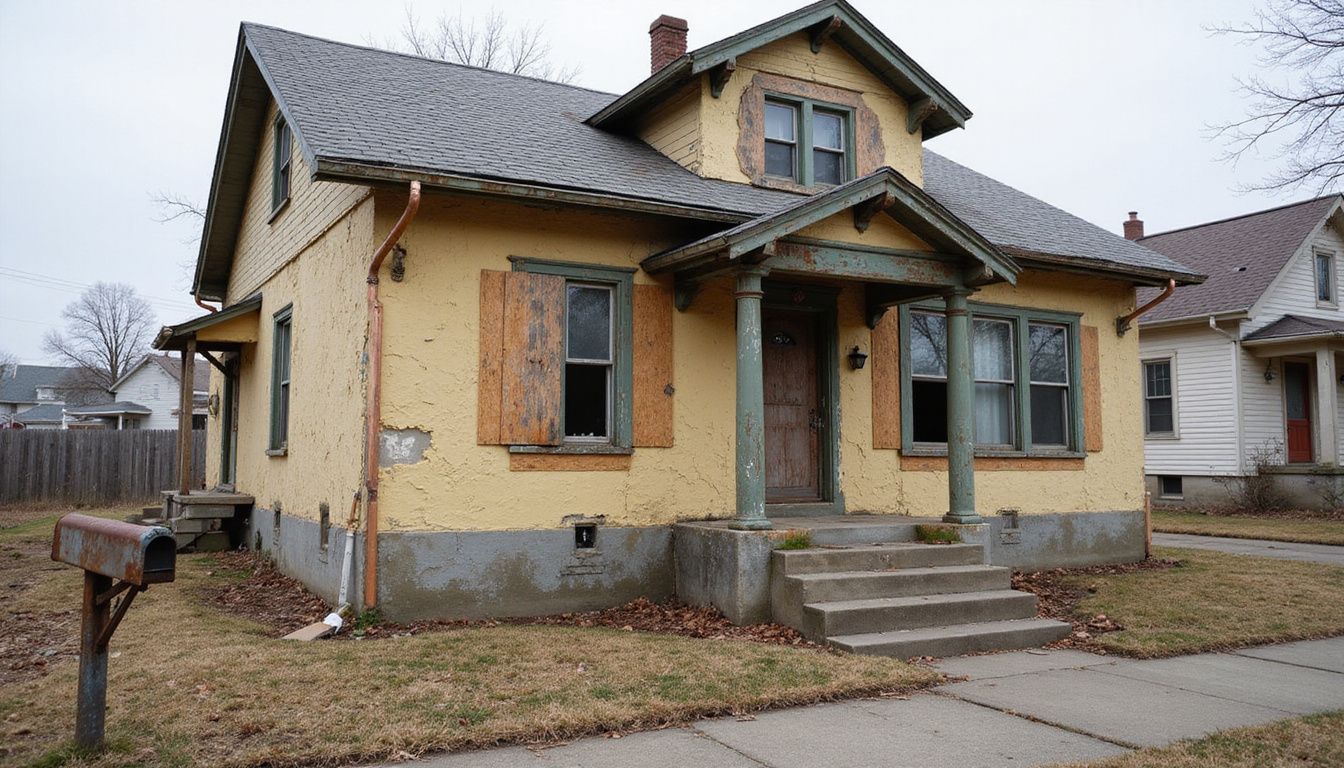
As-Is” means the buyer buys a property in its current condition. There are no repairs or warranties from the seller.
No Repairs or Warranties
An as-is sale means the buyer accepts the property in its current condition without any warranty from the seller. In a fast cash sale in Tulsa, Oklahoma, the seller does not have to make repairs after closing.
Buyers assume all risk, including future repair costs and hidden defects.
Properties sold as-is usually cannot be returned for poor performance. Consumer protection laws still apply, especially in cases of deceit or fraud. Sellers must not provide false information or conceal significant defects, and full disclosure of known defects helps avoid fraud claims and liability.
Buyer Assumes Full Risk
Buyers accept the home without any warranty. Sellers owe no repairs after the sale. The buyer takes on full liability for future repair costs and hidden defects. As-is sales mean the buyer cannot return the property for poor performance.
This rule affects the property condition, defects, and repairs. The phrase Buyer Assumes Full Risk sums this up.
State and federal consumer protection laws still protect buyers from fraud. Sellers must avoid misrepresentation of condition and history. A buyer can report fraud and seek legal advice.
These rules support basic disclosure and protect consumer rights. Warranty rules do not stop these fraud protections.
Final Sale Terms
Final sale terms mean the buyer accepts the house in its current condition without warranty. Sellers do not owe repairs after the sale. The buyer assumes liability for repair costs and any undisclosed defects.
If you plan to sell your house fast for cash in Tulsa, state disclosure rules still apply.
You cannot usually return a property sold as-is. Consumer rights still protect against fraud and deceptive transactions. Keep documents and photos as evidence to report fraud to the proper agency.
Disclosures must state known defects, and acceptance of risks does not erase liability for fraud.
Final Sale Terms: no warranty, but fraud and disclosure rules still matter.
When Consumer Protection Laws Still Apply
Consumer protection laws still apply in some cases. If a seller hides problems or lies about the property, they can face legal action.
Fraudulent Misrepresentation
Fraudulent misrepresentation happens when sellers lie about their property’s condition or history. This act is against the law and counts as fraud under consumer protection laws. Sellers cannot hide defects or provide false information to get a sale.
Deceptive practices, such as wrong ads, also break these laws.
Buyers should keep evidence if they feel cheated or misled. Reporting these scams helps protect other buyers in Tulsa. Consulting a consumer lawyer can guide victims through their options for justice and recovery after fraudulent deals.
Disclosure Obligations for Known Defects
Sellers must share any known serious defects. This is true even for “as-is” sales. Hiding these problems can be seen as fraud, which is illegal. Consumer protection laws help keep the process fair and honest.
Specific rules require sellers to reveal issues in real estate deals. They cannot give false information about the property’s condition or past. Buyers accept some risk when they buy “as-is,” but they are protected against deceitful actions by sellers.
These obligations ensure transparency and protect consumer rights during property sales.
Deceptive Practices in Advertising
Advertising for “as-is” properties must be honest. If sellers hide major problems, it breaks consumer protection laws. Providing false details in ads is deceitful and can lead to legal trouble.
Buyers should report any misleading practices they see. Keeping proof of fraud helps buyers who feel tricked by dishonest ads. Transparency builds trust between buyers and sellers, which benefits everyone involved in the sale process.
Key Consumer Protection Laws for As-Is Property Sales
Key consumer protection laws help buyers know what to expect when buying properties sold as-is. These laws require sellers to share important facts about the property’s condition.
They protect buyers from fraud and unfair practices. Read more to learn how these laws can help you!
Federal Consumer Protection Laws
Federal laws still protect buyers in as-is home sales.
| Federal Consumer Law | What It Means | How It Affects Sellers in Tulsa Selling for Cash | Buyer Remedies |
|---|---|---|---|
| Anti-Fraud Rules | |||
|
|
|
|
| Disclosure Requirements |
|
|
|
| Deceptive Advertising Rules |
|
|
|
| Reporting and Legal Help |
|
|
|
The Role of the Magnuson-Moss Warranty Act
State-specific rules help sellers know what to share about a property. The Magnuson-Moss Warranty Act also plays an important part. This law helps protect consumers when they buy goods, including homes.
This act requires sellers to provide clear information about warranties. If a seller offers a warranty on an “as-is” sale, it must be easy to understand. Buyers should know what is covered and for how long.
Sellers are responsible for following these rules, even in quick cash sales like those in Tulsa. It’s essential for buyers to understand their rights under this act before closing the deal.
Buyer Rights and Legal Remedies
Buyers have rights even when a property sells as-is. They can report fraud or seek help from a lawyer if they face problems after the sale.
Reporting Fraud or Deceptive Practices
Sellers in Tulsa should know how to handle fraud. If you feel misled during an “as-is” sale, take action.
- Report any scams to the local authorities right away. This helps protect other buyers and sellers.
- Keep all your documents safe. This includes contracts, emails, and messages. They serve as proof if you need to report fraud.
- Sellers must not give false information about a property’s condition or history. Misleading claims can lead to legal trouble for them.
- Know that consumer protection laws still apply in cases of deceit. These laws exist to hold sellers accountable.
- Seek legal help if you think you have been deceived in a transaction. A lawyer can guide you through your rights and options.
- Understand the limits of “as-is” sales, even with consumer protection laws in place. Some issues may still fall on you as the buyer.
Stay informed and protect your rights when selling or buying property fast in Tulsa!
Seeking Legal Assistance
Buyers should seek legal assistance if they feel cheated. A consumer lawyer can help them understand their rights.
- Legal advice is important for buyers who think they were misled. Lawyers know the laws about as-is property sales.
- Evidence plays a key role in reporting fraud. Buyers should keep records of all communication and documents related to the sale. This proof can strengthen their case.
- Consumers might face scams, especially in property sales. Reporting these scams can lead to action against dishonest sellers who break consumer laws.
- Legal remedies are available for buyers facing deception from sellers. If fraud is proven, buyers may receive compensation or have other options to fix the issue.
- Understanding buyer rights is crucial in as-is sales. A lawyer can explain what protections exist under federal and state laws.
- Seeking legal help early can make a difference in how cases are handled; timely advice leads to better outcomes for buyers facing problems with as-is properties.
Understanding Limitations of As-Is Sales
Sellers in as-is sales do not need to fix anything before the sale. They sell the property in its current state. Buyers take on all risks, including repair costs and hidden issues.
If a problem appears later, the seller is not responsible.
Consumer protection laws still provide some safety for buyers. Sellers cannot lie about the property’s condition or history. If they do, it can be considered fraud. Buyers can report such deceitful practices and seek legal help if needed.
Understanding these limitations helps protect buyer rights and provides options for legal recourse.
Conclusion
Consumer protection laws still matter, even with as-is property sales. Buyers have rights. They can report fraud or deceptive practices if they feel cheated. Sellers must be honest about known defects.
Always check the property before buying to avoid surprises later on.
FAQs
1. What are consumer protection laws for as-is property sales?
Consumer protection laws help buyers when they purchase properties sold “as-is.” These laws ensure sellers disclose known issues with the property.
2. Do buyers have rights when buying as-is properties?
Yes, buyers have rights even when buying as-is properties. They can ask for information about the property’s condition and expect honesty from the seller.
3. Can a seller hide problems in an as-is sale?
No, sellers cannot hide known problems in an as-is sale. Consumer protection laws require them to share any significant issues that could affect the buyer’s decision.
4. How can buyers protect themselves when purchasing as-is properties?
Buyers should get a home inspection before buying an as-is property. This helps them find hidden issues and make informed choices based on their findings.