
You need to sell your house fast in Tulsa and worry about hidden repairs and slow buyers. As-is sales agreement clauses mean the buyer takes the property as-is, and the seller makes no promises about repairs.
This post highlights the key clauses, explains what they do, and shows what to watch for. Read on to protect your sale and save time.
Key Takeaways
- An “as-is” sales agreement means the buyer accepts the home as-is. The seller does not promise to fix anything or give a warranty.
- Sellers must disclose known major problems in writing if Tulsa, Oklahoma, law requires it. Hiding issues or lying can void the as-is clause and lead to legal trouble.
- Buyers should always inspect the property before buying. They cannot blame sellers for defects found later unless fraud is involved.
- As-is clauses protect sellers from repair requests and future claims if they follow disclosure rules. These agreements help sellers sell homes fast, often for cash.
- Key sources like Law Insider, McMillan Metro, and Wex Legal Dictionary explain these agreements’ terms, inspection rights, and what both buyers and sellers must do.
What is an As-Is Sales Agreement?
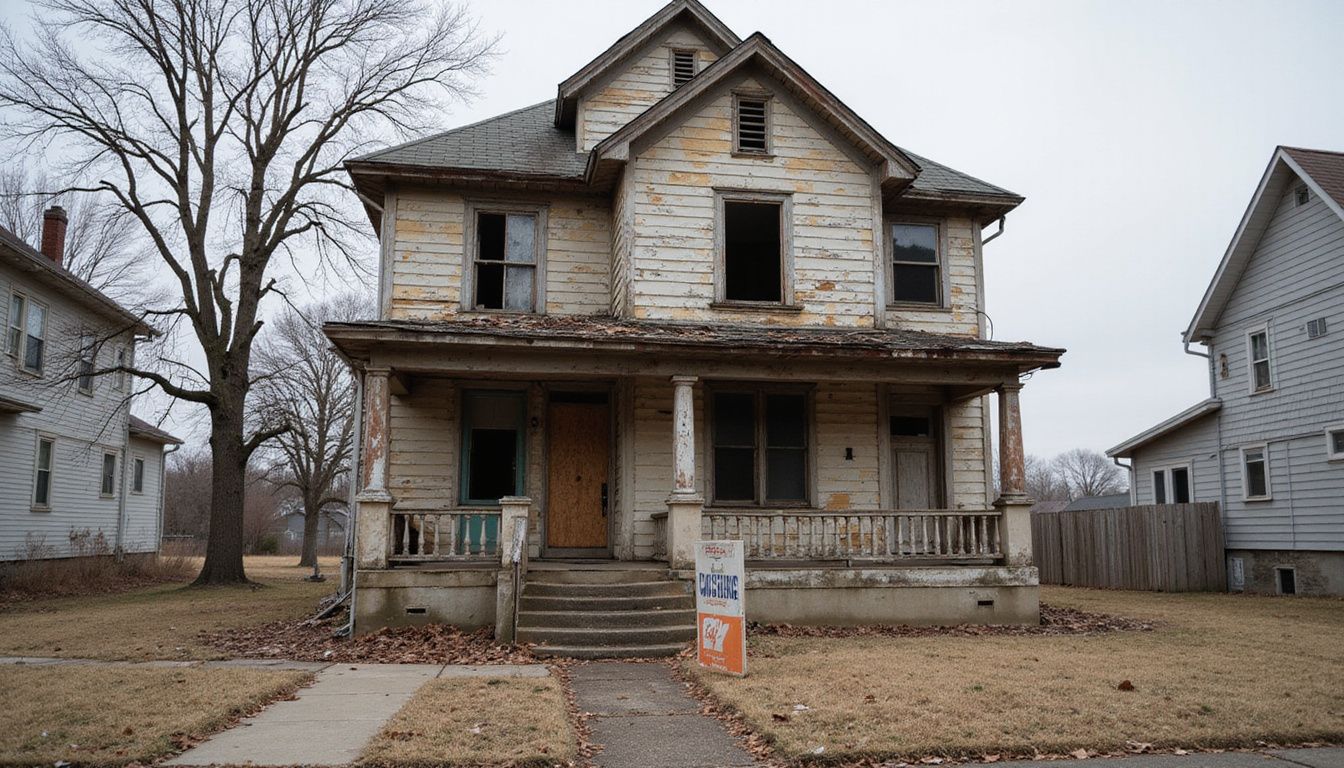
An as-is sales agreement means the buyer accepts the house as-is. The seller gives no warranties and transfers repair responsibility to the buyer.
The agreement stays valid unless the seller commits fraud or hides major defects that affect the buyer’s decision. Sellers must still give written disclosures of known major defects under local rules.
The clause breaks if the seller lies or blocks an inspection. Law Insider, McMillan Metro, and the Wex Legal Dictionary can help with more detail on this agreement, inspection rights, liability, and buyer assessment.
Core Clauses in As-Is Sales Agreements
Core clauses in As-Is sales agreements set clear rules for buyers and sellers. These clauses help define what each party can expect during the sale process.
Acceptance of Condition
Under an Acceptance of Condition clause, the buyer accepts the house in its current condition. The seller gives no warranty and shifts repair responsibility to the buyer. This makes the buyer liable for hidden defects unless the seller committed fraud or hid big problems.
Buyers still have the right to inspect the property before closing.
Sellers in Tulsa, Oklahoma must disclose known major defects in writing if local rules require a disclosure. The as-is clause fails if the seller lies, misrepresents, or commits fraud.
The agreement places conditions and responsibilities on the buyer, so sellers can move fast for cash with less liability.
No Warranties Waiver
Linking Acceptance of Condition to No Warranties Waiver helps you see the shift in risk. Sellers in Tulsa, Oklahoma often sell houses fast for cash and use this clause to pass on repair duty.
As-is sales mean the seller gives no warranties, and the buyer accepts the condition.
Sellers state a clear disclaimer that they provide no warranties about condition. Buyers accept the condition and assume repair and defect risk. Local rules still force a written disclosure of known major defects.
Courts void the waiver if seller commits fraud or misrepresentation. Contracts also often include liability and indemnification clauses to limit seller exposure. Law Insider, Wex Legal Dictionary, and McMillan Metro explain these limits and examples.
Inspection Opportunity
Buyers can inspect the property before they buy it. This gives them a chance to check its condition. They should look closely and assess what they find. The agreement states that buyers need to rely on their own evaluations.
Seller statements are not enough alone.
This opportunity is vital for due diligence. Buyers can discover issues or repair needs early. A pre-sale inspection offers peace of mind during the sale process. It is a smart way to make a confident decision about the purchase agreement terms.
Buyer Reliance
Buyer reliance means buyers depend on their own checks rather than what the seller says. Buyers should inspect a property before buying it. This helps them make smart choices. The seller does not have to fix any problems found during the inspection.
Therefore, buyers should trust their findings.
Sellers must disclose known major issues, as required by local rules. If sellers hide problems or lie about them, buyers can question their reliance. This affects how confident buyers feel in their decision-making process.
Next up are exceptions and limitations of as-is clauses in these agreements.
Exceptions and Limitations of As-Is Clauses
Some rules still apply to As-Is clauses. Sellers must share certain facts about the property, and buyers can take action against sellers for false statements.
Required Disclosures
Sellers must share any known major defects in writing. Local laws set this rule.
- Sellers need to disclose serious issues with the house. For example, if there are big leaks or cracks, they must tell the buyers.
- Only active defects require disclosure. This means sellers only have to mention problems that are present now, not ones that used to exist.
- Buyers should receive this information before they agree to buy the home. Having all details helps them make informed choices.
- Seller deceit can void the as-is clause. If a seller lies about a defect, they may face consequences later.
- Local laws dictate what sellers must disclose. Sellers should know these rules well to avoid issues during the sale process.
- Major defects might affect buyer trust and interest in the home; therefore, full honesty is crucial for a smooth transaction.
Fraud and Misrepresentation
Fraud and misrepresentation are important in as-is sales agreements. An acceptance of the “as-is” condition fails if the seller hides major issues or lies about them. If a seller deceives or misrepresents facts, they can’t enforce this clause.
Sellers must also share any known big problems in writing if local laws require it. Hiding defects can lead to serious legal trouble and financial loss for sellers who try to cover things up.
Buyers should stay alert during inspections, as any concealment could affect their trust in the agreement.
How As-Is Clauses Protect Sellers
As-is clauses help sellers by letting them sell homes without fixing issues. This means sellers do not have to worry about making repairs after the sale. They are also not forced to provide warranties on the home’s condition, which reduces their risk.
Buyers must inspect the home before buying it. If they see problems, that is their responsibility. Sellers only need to disclose known defects; they are protected from claims if they follow local rules.
If a seller hides big issues or commits fraud, then they lose this protection. Honesty helps shield sellers from liability and disputes after the sale.
Key Considerations for Buyers in As-Is Agreements
Buying a home “as-is” means you take it as-is, with no changes. Know what that means before you decide.
- Buyers accept the property in its current condition. This means the seller will make no repairs or alterations.
- No warranties come with as-is sales. Sellers are not responsible for fixing anything after the sale.
- Buyers should inspect the property before buying it. This lets them see any issues or defects that may exist.
- Sellers must disclose major defects they know about in writing, as required by local law. This protects buyers from hidden problems later on.
- If a seller hides defects or lies about the property, this can void the as-is agreement. Buyers then have a right to claim these issues legally.
- Accepting the condition is key for buyers; they must understand they take on all responsibility once the sale closes.
Next, we will look at how as-is clauses protect sellers in such agreements.
Conclusion
Understanding key clauses in “as-is” sales agreements helps both buyers and sellers. Buyers accept the item as-is. Sellers get protection from claims about hidden problems. Always check for known defects before signing.
These steps lead to smoother transactions and fewer surprises later on.
FAQs
1. What is an as-is sales agreement?
An as-is sales agreement is a contract where the seller sells a product in its current state. The buyer accepts the product without asking for repairs or changes.
2. What are key clauses in these agreements?
Key clauses often include disclaimers, liability limits, and inspection rights. These clauses clarify what the seller will not be responsible for after the sale.
3. Why are disclaimers important in as-is agreements?
Disclaimers protect sellers by stating that they do not guarantee any condition of the item sold. This helps avoid future disputes about defects or issues.
4. How can buyers protect themselves when signing these agreements?
Buyers should carefully read all terms before signing. They should also inspect items thoroughly to understand their condition and risks involved with buying them as-is.