
You want to sell your house fast for cash in Tulsa but fear legal trouble over an as-is sale. American case law as-is homes shows sellers must still tell buyers about hidden defects.
This post will explain key court cases and what they mean for sellers. Read on to protect your sale.
Key Takeaways
- Even with an “as-is” sale, sellers must tell buyers about hidden problems. Landmark cases like Weintraub v. Krobatsch (1974) and Syvrud v. Today Real Estate, Inc. (2003) require this.
- Hiding defects or lying on disclosure forms can cause legal trouble for sellers. Courts may reject the “as-is” clause if there is fraud or misrepresentation.
- Written seller disclosure forms are important in many states, including Oklahoma and Florida. These forms protect both parties by listing known issues.
- The courts support freedom of contract but do not protect sellers who hide defects that hurt property value.
- Knowing these rules helps you sell your home safely and avoid lawsuits when selling as-is for cash in Tulsa or elsewhere in the U.S.
What Does “As-Is” Mean in Real Estate Transactions?
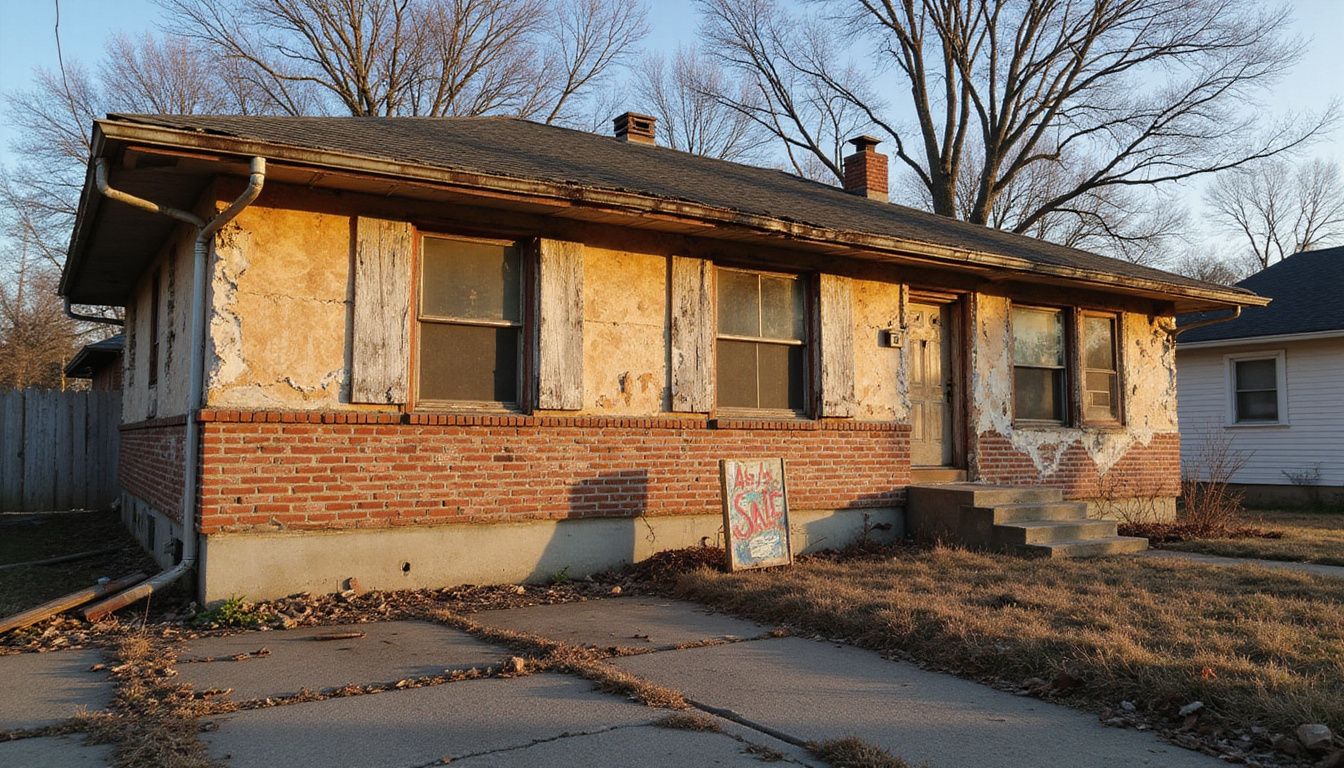
An “as-is” clause means the seller does not have to make repairs. It still requires sellers to disclose known hidden defects. Courts usually uphold as-is clauses and respect freedom of contract.
The clause removes implied warranties and signals that the price reflects the property’s poor condition.
Sellers who lie about the condition or hide latent defects can face legal consequences under disclosure laws. Cases like Weintraub v. Krobatsch, 1974, show courts force disclosure of severe unobservable issues.
Florida appellate rulings echo that as-is contracts still need honesty about facts that affect property value and are not easily observable. Sellers in Tulsa, Oklahoma, who want to sell their house fast for cash must follow these disclosure and transparency rules.
Legal Obligations of Sellers in As-Is Home Sales
Sellers must tell buyers about any big problems with the home. They cannot hide known defects or lie about them, even when selling as-is.
Duty to Disclose Known Latent Defects
An “as-is” clause does not free you from telling buyers about known latent defects. If you sell your house fast for cash in Tulsa, Oklahoma, you must reveal hidden problems that are not easy to see.
Courts uphold asis clauses, and they protect freedom of contract while waiving implied warranties and reflecting a poor property condition in the price.
Concealing latent defects can bring legal trouble, including claims of fraudulent misrepresentation. Written seller disclosure forms matter in many states, and dishonesty can void as-is protections.
Landmark cases like Weintraub v. Krobatsch (1974) and Syvrud v. Today Real Estate, Inc. (2003) show courts expect full disclosure, so fraud and misrepresentation exceptions follow.
Fraud and Misrepresentation Exceptions
After disclosing hidden defects, sellers still face fraud rules. Concealing known latent defects can lead to legal consequences for sellers. Fraud and misrepresentation can render an as-is clause unenforceable if a seller lies about the property condition on disclosure forms.
The 1974 Weintraub v. Krobatsch case showed courts expect disclosure of severe unobservable issues that lower property value. Breach of disclosure laws may override the asis clause and create seller liability, even for cash buyers in Tulsa, Oklahoma.
Landmark American Case Law on As-Is Sales
This section looks at key court cases about as-is home sales. These cases shape the rules for buyers and sellers in real estate transactions.
Weintraub v. Krobatsch (1974)
Weintraub v. Krobatsch was a key case in 1974. It showed that sellers must tell buyers about serious hidden problems. This includes big infestations or damage that cannot be seen easily.
Sellers can use an “as-is” clause, but they still need to disclose known issues.
The ruling made clear that hiding defects is not allowed. If sellers lie on disclosure forms, the courts may reject the “as-is” claim. Buyers have rights to protect themselves against fraud and concealed damage.
The case helped shape how “as-is” sales work and stressed honest communication about property conditions affecting value.
Syvrud v. Today Real Estate, Inc. (2003)
The case of Syvrud v. Today Real Estate, Inc. in 2003 changed how “as-is” sales work. This case enforced the idea that sellers must still disclose important facts about a property’s value, even if they are selling it as-is.
Sellers are not allowed to hide known defects from buyers. If they do, it can lead to fraud claims or misrepresentation.
This ruling also stressed that written seller disclosure forms matter in many states. These forms help outline what sellers need to share with buyers about their properties. Courts uphold contracts and typically enforce “as-is” agreements, but sellers have clear responsibilities too.
Landmark decisions like Syvrud set strong legal standards for real estate transactions across the country.
Conclusion
Landmark cases show how “as-is” sales work in America. Sellers can sell their homes without fixing issues. Buyers must be aware that sellers still need to tell them about serious problems.
Cases like Weintraub v. Krobatsch and Syvrud v. Today Real Estate highlight these rules. Knowing your rights helps you in any real estate deal.
FAQs
1. What does “as-is” mean in home sales?
“As-is” means the seller sells the home in its current state. The buyer accepts any issues or repairs needed without asking for fixes.
2. How does case law affect as-is home sales?
Landmark American case law sets rules for how as-is sales work. It helps buyers and sellers understand their rights and what to expect during a sale.
3. Can buyers return an as-is home if they find problems later?
Generally, no. Buyers usually cannot return an as-is home after purchase unless there was fraud or misrepresentation by the seller.
4. Why is it important to know about landmark cases on as-is sales?
Knowing about landmark cases helps buyers make informed decisions. It also guides sellers on how to present their homes properly when selling them as-is.