
You want to sell your house fast for cash in Tulsa but worry about hidden repairs and delays. The history of as-is sales shows how buyers once had to beware under caveat emptor. This post explains how laws, inspections, and disclosures changed the process and what that means for you.
Keep reading.
Key Takeaways
- “As-is” property sales mean the home sells in its current condition. The seller does not make repairs. Buyers assume all risk for problems found later.
- The legal idea of “as-is” comes from caveat emptor (“let the buyer beware”). Before, sellers had little duty to reveal issues. Laws and court cases like Johnson v. Davis (Florida, 1992) changed this rule.
- Now, sellers must share known material defects, even in as-is deals. If they intentionally hide major problems, they can be sued for fraud.
- After World War II, as-is sales grew quickly because of high housing demand and cash buyers wanting quick deals, especially in Tulsa and other cities.
- Modern tools like online listings help people buy or sell as-is homes quickly today. Home inspections are key so buyers do not miss hidden issues before making a deal.
What Does “As-Is” Property Sale Mean?
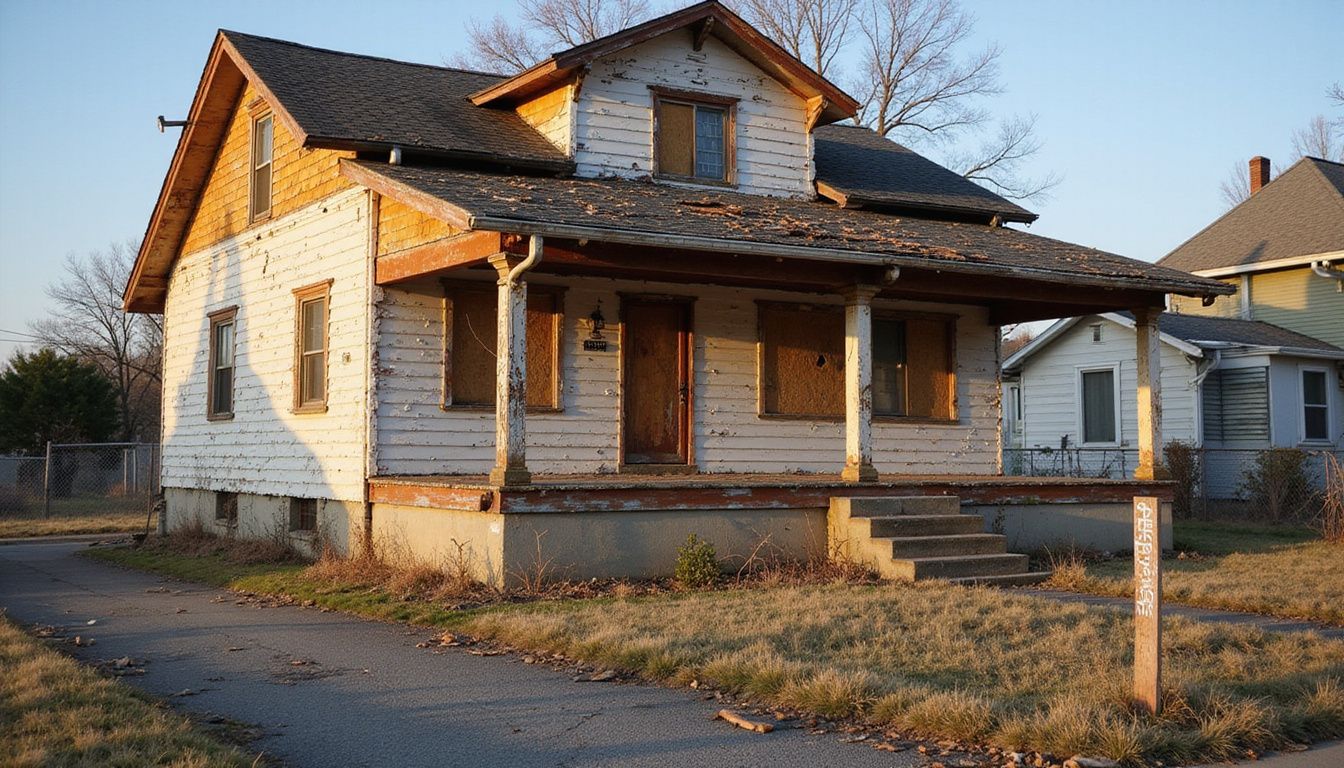
A sale “as-is” means that the property is sold in its current condition. The seller does not have to make any repairs or improvements before selling it.
Definition of “As-Is” in Real Estate
An “as-is” sale means you sell the property in its current condition without doing repairs or renovation. The buyer assumes the risk of the property’s condition. This practice comes from the common law rule caveat emptor, which put the onus on buyers to spot faults.
Courts and laws changed that rule in the 20th century and added seller responsibility. The 1992 case Johnson v. Davis shows that as-is clauses do not shield sellers from fraudulent behavior.
You still must make disclosure of any known material defects. Many distressed sale and estate sale sellers use as-is to speed up the transaction.
Common Misconceptions About “As-Is” Sales
Many people think as-is sales mean no fixes and no checks. Sellers sell the property in its current condition, with no repairs by the seller. The phrase comes from the legal rule caveat emptor, which put inspection duty on buyers.
Courts and laws changed caveat emptor over time, so buyers now get more protection in some cases.
Some sellers assume they face zero liability after an as-is sale. The 1992 case Johnson v. Davis found that as-is clauses do not protect sellers from fraudulent claims. Sellers must still disclose known material defects.
As-is deals remain common for distressed and estate properties because sellers want to expedite the transaction and avoid lengthy repair negotiations.
Early History of As-Is Property Sales Practices
The “As-Is” property sale started long ago. It grew out of the idea that sellers could sell homes in their current state without making repairs.
Origins of the “As-Is” Concept in Real Estate
Caveat emptor set the stage for as-is sales. Courts long held that buyers bear Buyer Responsibility to inspect a home. Early Real Estate Transactions let sellers sell the Condition of Sale without repair promises.
Estate Sales and Distressed Sales used as-is terms when owners faced tight money or limited property history.
Sellers must not hide known issues.
20th century Legal Precedents changed rules. Johnson v. Davis, a landmark case, ruled that as-is language cannot shield Fraudulent Misrepresentation. Laws now force Property Disclosure of known Material Defects.
Sellers still use as-is sales, but they must reveal what they know.
Historical Factors Influencing the Practice
The term “as-is” started from the common law doctrine of caveat emptor. This Latin phrase means “let the buyer beware.” It tells buyers they must take care when buying a property. Over time, courts and laws changed this idea.
Sellers still needed to say what they knew about any major issues with their homes.
The case Johnson v. Davis is important in this history. It showed that an “as-is” clause does not protect sellers from lying about problems with a house. Even if someone sells a home “as-is,” they must tell buyers about known material defects.
Selling “as-is” often happens in distressed or estate sales, where sellers may not know much about the property’s condition, especially if financial pressures push them to sell quickly.
Key Legal Developments in As-Is Property Sales
Property sales laws have changed significantly over time. Key court cases shaped how buyers and sellers handle “As-Is” sales today.
Early Property Laws and Lack of Consumer Protections
Early property laws often did not protect buyers. Buyers faced the principle of caveat emptor, or “buyer beware.” This meant they had to find any problems with a property on their own.
Sellers were not required to make repairs or disclose issues. Even in as-is sales, sellers still had to disclose known material defects. Court cases like Johnson v. Davis showed that as-is clauses do not shield sellers from fraud.
Sellers might choose as-is terms to sell quickly, especially during financial distress or estate sales. They may lack knowledge about the property’s history and condition. Many early laws failed to provide clear disclosure obligations for sellers.
As a result, buyers took on more risk in real estate transactions without good protections in place.
Landmark Court Cases Shaping As-Is Sales Practices
Landmark court cases have shaped the rules around “as-is” property sales. These cases set important precedents for buyers and sellers.
- Johnson v. Davis in Florida changed things significantly. It ruled that “as-is” clauses do not excuse sellers from lying about property problems. Sellers can still face consequences if they commit fraud.
- Another key case is the 1974 ruling in Stambovsky v. Ackley, which addressed undisclosed issues. This case involved a haunted house but reshaped how buyers receive property information.
- Courts have often sided with consumers when sellers fail to disclose known defects, even during “as-is” sales. This outcome emphasizes that sellers must be honest about severe problems with their property.
- Early court decisions upheld the principle of caveat emptor, or “let the buyer beware.” Buyers were responsible for fully inspecting properties before purchase.
- Over time, legal rulings began to shift toward protecting buyers more. Laws now require sellers to disclose any known material defects, helping buyers make informed choices.
- Changes in court opinions reflect society’s views on fairness in real estate transactions over decades. Courts have made it clearer that honesty is crucial in all sales, including “as-is” deals.
- The trend of increasing seller liability continues to shape current practices. As-is sales are still common for distressed or estate properties but come with specific legal responsibilities for sellers.
- Important rulings continue to influence how “as-is” transactions occur across the country, including Tulsa, Oklahoma; these decisions help shape local laws concerning real estate sales practices today.
Evolution of Consumer Protection Laws
Consumer protection laws have changed a lot over time. New rules now ask sellers to share more details about the property’s condition.
Introduction of Disclosure Requirements
Sellers must tell buyers about any known problems with the property, even in “as-is” sales. This rule comes from past cases showing sellers cannot hide issues. For example, the Johnson v.
Davis case made it clear that “as-is” clauses do not protect sellers from fraud claims. Buyers need to know what they are getting into.
Real estate laws have changed over time. They now require more transparency and accountability from sellers. These regulations help protect consumer rights and ensure fair transactions.
Sellers should understand their legal obligations when selling a house fast for cash in Tulsa, Oklahoma.
The Role of Home Inspections in Modern Transactions
Disclosure requirements led to the rise of home inspections. Today, they play a big role in real estate. Buyers can spot issues before making an offer. They can assess property conditions closely.
This gives them more confidence in their purchase.
Home inspections also help sellers. A good inspection report can attract buyers quickly. It shows that the seller is honest about the property’s state. For those selling homes for cash in Tulsa, this step adds value and safety to transactions.
As-Is Sales in the 20th Century
As-Is sales grew in the 20th century. Many buyers wanted homes fast and sellers sought quick cash deals.
Growth of the Practice in Post-War Real Estate Markets
The post-war economy brought major changes to real estate. Many people wanted homes after World War II. The demand for housing grew fast. Sellers began selling properties “as-is.” Buyers were often ready to buy without worrying about repairs.
This trend made sales quicker and easier.
In Tulsa, this meant sellers could attract buyers who wanted houses quickly. It also helped many folks invest in property without much hassle. Housing market growth also changed how people viewed property valuation.
More buyers became open to as-is conditions during this time. Next, we will discuss modern trends in as-is property sales.
Changes in Buyer-Seller Dynamics Over Time
As-is sales changed buyer-seller dynamics. The caveat emptor doctrine put more responsibility on buyers. They needed to do their due diligence before buying a property. Buyers became aware of their rights regarding seller disclosures.
This shift affected how sellers approached property sales.
Court rulings like Johnson v. Davis shaped buyer trust in as-is transactions. Sellers faced more accountability for what they told buyers about the properties. As-is sales gained popularity in distressed markets, often driven by financial constraints for sellers.
This trend led to fewer personal connections between buyers and sellers, making transactions more straightforward and focused on the deal itself.
Modern Trends in As-Is Property Sales
As-is property sales are common in today’s real estate market. Many sellers use these sales for distressed or foreclosure properties to attract quick buyers.
Use of As-Is Sales in Distressed and Foreclosure Properties
As-is” sales often happen with distressed properties or foreclosures. Sellers choose these terms to sell quickly without making repairs or offering credits. Buyers take on the risk since they must inspect the home themselves, following caveat emptor, which means “let the buyer beware.”
Sellers in tough financial spots like estate sales may prefer fast transactions over lengthy processes. Even in an “as-is” sale, sellers are still required to disclose any known material defects about the property.
This legal duty helps protect both parties involved in real estate transactions.
Impact of Technology on As-Is Transactions
Technology changed how people buy and sell homes. Online listings make it easy to find “As-Is” properties. Virtual tours help buyers see the home without visiting in person. This saves time for both sellers and buyers.
Digital platforms allow fast transactions. Sellers can reach more potential buyers quickly. Market analysis tools give insights into property values. These trends make selling a house fast for cash easier in places like Tulsa, Oklahoma.
Benefits and Challenges of As-Is Property Sales
Selling a property as-is can save sellers time and money. Buyers must carefully check the home’s condition, as they may face hidden issues later.
Advantages for Sellers and Buyers
This table shows the key advantages of as-is sales for sellers and buyers looking to sell their house fast for cash in Tulsa, Oklahoma.
| Sellers | Buyers |
|---|---|
|
|
Risks and Considerations in As-Is Transactions
After covering advantages, here are clear risks and key things to watch for in as-is sales.
| Risk or Consideration | Summary Points |
|---|---|
| Buyer Responsibility | |
|
Buyers assume full responsibility for property condition. Caveat emptor places the inspection burden on buyers. Unexpected repair costs can be large and sudden.
|
|
| Seller Disclosure Limits |
Sellers must still disclose known material defects. Failure to disclose can lead to legal complications. Estate sale sellers may lack knowledge about hidden problems.
|
| Property Condition |
As-is homes often show distressed condition. Distress raises the chance of unseen issues. Deferred maintenance can lower sale price and value.
|
| Inspection Risks |
Quick sales can cause buyers to skip full inspections. Skipping checks can hide structural and safety faults. Home inspections help reveal costly repairs before closing.
|
| Financial Pressure on Sellers |
Sellers under money stress might omit maintenance facts. Short timelines force faster, less thorough disclosures. Cash-for-house deals often move in just days.
|
| Fraud and Misrepresentation |
Fraud risk remains despite an as-is clause. Some sellers misstate conditions to speed sale. Buyers should verify claims with professionals.
|
| Liability and Legal Risk |
Sellers can still face liability for known defects. Courts have ruled against concealment in some cases. Legal fights add time and cost after closing.
|
| Foreclosure and Distressed Sales |
Distressed listings use as-is to move fast. Foreclosure homes often lack full maintenance history. Buyers should budget for repairs and unknown problems.
|
| Practical Tips for Tulsa Sellers |
Disclose known issues to reduce legal exposure. Offer inspection reports to speed cash sales. Work with local cash buyers who know Tulsa markets.
|
Frequently Asked Questions About As-Is Property Sales
Buyers often wonder what to check in an as-is property. Sellers may ask if they can still be held responsible for issues after the sale.
What Should Buyers Look for in As-Is Properties?
As-is properties come without repairs. Buyers should pay close attention when considering such homes.
- Check the property’s condition first. This helps identify any obvious issues like leaks or cracks.
- Conduct a thorough inspection before buying. An inspector can find hidden problems that you might miss.
- Know about the legal principle of caveat emptor. This means “let the buyer beware.” You must find flaws yourself unless sellers disclose them.
- Ask sellers to provide information on known defects. Sellers must still disclose any material defects they know about.
- Investigate the property’s history carefully. Look into past repairs, renovations, or issues that may affect value or safety.
- Watch for distressed sales, as these may have more hidden problems. Sellers often lack knowledge in these cases.
- Assess the financial implications of repairs and maintenance costs after purchase; budgeting is key for as-is homes.
- Review the purchase agreement closely for terms and conditions regarding as-is status; clarity in this document is crucial.
- Consider how quickly you want to sell a house in Tulsa; as-is sales can speed up this process since there are no repair negotiations.
- Be prepared for risks involved with buying as-is properties; understanding what you might face is important to make an informed decision.
This list helps buyers navigate what to look for in as-is properties effectively and safely during their search.
Can Sellers Still Be Held Liable in As-Is Sales?
Sellers can still be held liable in as-is sales. The law requires them to disclose known material defects. This means they must tell buyers about any major issues with the property, even if the sale is “as-is.” A famous case, Johnson v.
Davis, showed that sellers could be responsible for fraud if they hide problems on purpose.
The principle of caveat emptor applies in these sales. It places the duty on buyers to find defects. However, this does not protect sellers from legal action for dishonesty or failure to share crucial information.
Buyers should stay alert and ask questions about the property’s condition before buying an as-is sale.
Conclusion
The history of “as-is” property sales shows a clear shift over time. Early laws gave little protection to buyers. Many sellers use “as-is” sales today for quick deals, especially in tough financial times.
Buyers must inspect properties carefully and watch for hidden problems. Understanding this history helps everyone in real estate make better choices today.
FAQs
1. What are as-is property sales practices?
As-is property sales practices involve selling a home in its current condition. The seller does not make any repairs or improvements before the sale.
2. When did as-is property sales begin?
As-is property sales have been around for many years, but they became more common during economic downturns when sellers wanted to sell quickly without spending money on repairs.
3. Why do people choose to sell properties as-is?
People often choose to sell properties as-is to save time and money. They may want a fast sale due to financial issues or other personal reasons.
4. How do buyers view as-is properties?
Buyers see as-is properties with caution. They know they may need to fix problems after buying, so they often negotiate lower prices based on potential repair costs.