You want to sell your Tulsa home fast for cash, but worry buyers cannot get loans for an as-is sale. Property condition and buyer loans matter because lenders need homes to be safe, sound, and habitable before they fund a mortgage.
This post will show which loan types accept as-is homes and what issues can block financing. Read on to learn how to fix or work around these problems.
Key Takeaways
- Lenders want homes to be safe, sound, and livable before they approve loans. They use appraisals and inspections to check the home’s condition.
- FHA, VA, and USDA loans have strict rules. These loans need repairs for defects like peeling paint or roof damage before closing. If sellers do not fix them, buyers cannot get a loan.
- Conventional loans are more flexible but still need homes to pass a safety check. Minor cosmetic problems are allowed if the home is otherwise in good shape.
- Homes sold as-is may limit buyer loan choices. Deals can fall through if lenders find major issues during appraisal or inspection.
- Sellers should be honest about their home’s state. Fixing some problems or offering seller financing helps attract more buyers and makes sales easier.
The Importance of Property Condition in Buyer Financing
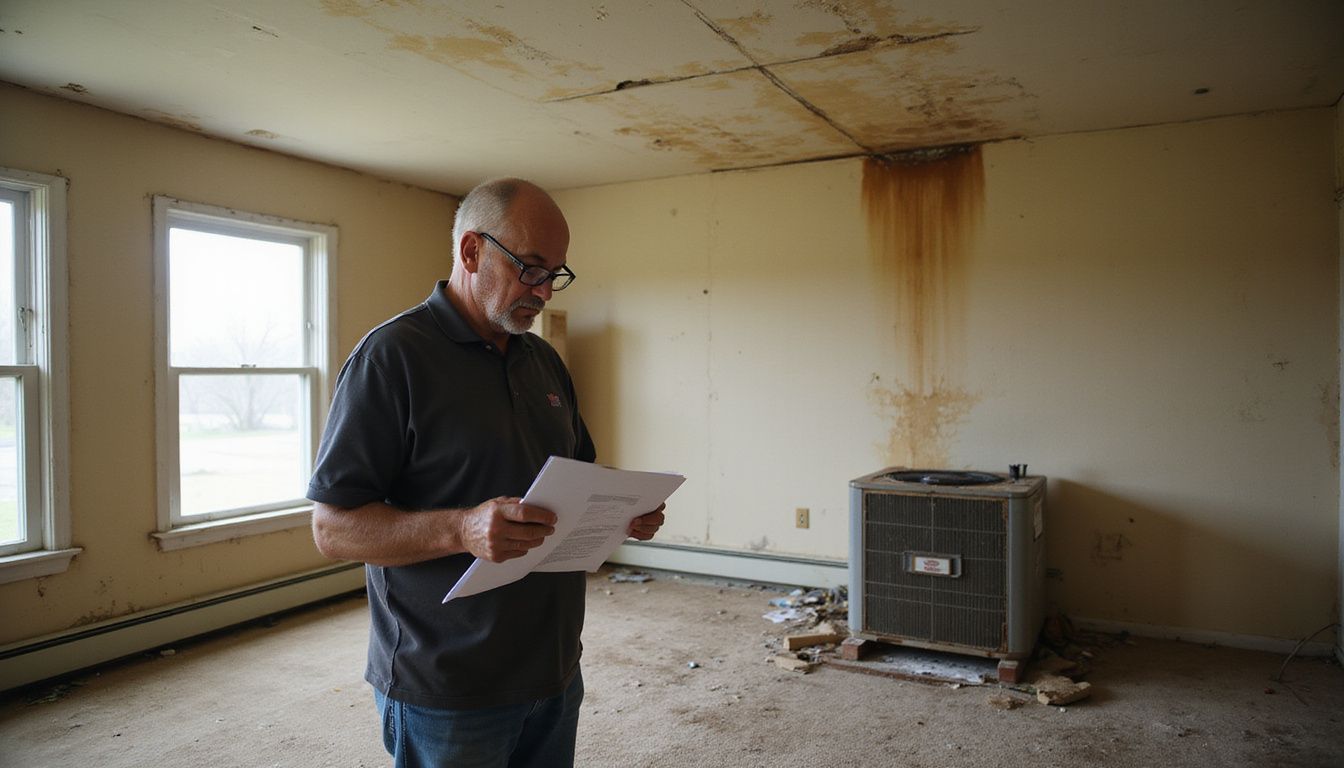
Lenders need houses to be safe and habitable for loan approval. Property condition drives mortgage eligibility in Tulsa sales. Home appraisal teams check value and property standards for each loan type.
Conventional loans allow minor cosmetic defects but still need a passing appraisal. FHA loans follow strict Minimum Property Standards and can demand repairs for peeling paint or roof damage.
VA and USDA appraisals enforce similar safety requirements and habitability rules. A home inspection can find hidden issues that affect financing. Missing standards can lead to repair obligations or deal cancellations.
A clean appraisal boosts loan approval odds.
Next, read how property condition affects loan eligibility.
How Property Condition Affects Loan Eligibility
The condition of a home matters for loan eligibility. Lenders need homes to be safe and livable before they will approve a mortgage.
Structural Integrity and Safety Standards
Property condition is essential for loan approval and must show sound structure and safety. Buyers need homes that meet structural integrity and safety standards to get loans. Conventional loans allow minor cosmetic defects but require an appraisal to verify basic safety standards.
Appraisals check value and compliance with loan rules.
FHA loans follow strict Minimum Property Standards and often demand repairs before closing. VA and USDA loans enforce strong safety and habitability rules and use appraisals to review structural integrity.
Lenders may require repairs or cancel the deal if a house fails these checks. Sellers in Tulsa who want fast cash should note this risk.
Habitability Requirements for Lenders
Lenders require homes to be safe. They also check structural integrity and basic habitability. Conventional loans allow minor cosmetic defects, but appraisals still test safety and structure.
These habitability requirements for lenders affect loan approval and the buyer’s financial responsibility.
Lender-ordered appraisals check value and minimum condition, and FHA enforces Minimum Property Standards
FHA enforces strict Minimum Property Standards and often asks for repairs before funding. VA and USDA loans use strict habitability criteria and require lender-ordered appraisals. Home inspections are not required for every loan, and the buyer pays for them.
Now we will look at the types of loans and their rules.
Types of Loans and Their Property Condition Requirements
Different loans have different rules about property condition. Some loans need homes to be in better shape than others.
Conventional Loans
Conventional loans are a good option for many buyers. They offer more flexibility with property condition than some other loans. A home can have minor cosmetic defects and still qualify.
However, it must pass an appraisal to ensure safety and structural integrity.
Lenders want homes that are safe and livable. Property condition plays a big role in loan approval for these types of loans. If a home does not meet the necessary standards, it may cause issues for potential buyers looking to finance through conventional loans.
FHA Loans
FHA loans have strict rules about home condition. Homes must meet Minimum Property Standards. These standards focus on health, safety, and security. Serious defects like peeling paint, roof damage, or exposed wiring must be fixed before closing.
Lenders want to ensure the home is safe for buyers.
All loans need an appraisal to check property value and condition. If a home fails this check due to poor condition, necessary repairs must occur. If repairs do not happen, the sale may fall through.
This can affect sellers in Tulsa who want to sell fast for cash.
VA Loans
VA loans require homes to be safe, structurally sound, and livable. Buyers using VA loans must meet strict safety and habitability rules. These rules are similar to those for FHA and USDA loans.
An appraisal for a VA loan checks for any needed repairs, safety problems, or structural issues.
Home inspections aren’t required for VA loans, but they can find hidden problems. Finding these issues early helps avoid delays during the sale process. Sellers should keep this in mind when listing their as-is homes in Tulsa.
USDA Loans
USDA loans help people buy homes in rural areas. These loans require the property to meet strict safety and habitability rules. An appraisal is required to find any repairs or hazards that could affect safety.
Properties must be structurally sound and livable to qualify for these loans.
Serious repairs must happen before closing on a sale. If a home does not meet these condition standards, selling it as-is may not work out well for you. Buyers often look for homes that are move-in ready, especially with USDA financing options available.
Key Differences Between Appraisals and Inspections
Appraisals and inspections serve different purposes in real estate. An appraisal determines the market value of a home, while an inspection checks for any issues that need repairs or attention.
Purpose of Appraisals
Appraisals check a home’s value. They ensure the property meets loan condition requirements. Lenders order appraisals to see if homes are safe and strong enough. This is key for different loan types like conventional, FHA, VA, or USDA.
FHA appraisals focus on health and safety issues in homes. VA and USDA appraisals look for hazards and structural problems. Appraisals matter for getting loans approved, especially for as-is homes.
Role of Home Inspections
Home inspections check the detailed condition of a property. Buyers pay for these inspections. They find safety hazards and deferred maintenance issues that might affect loan approvals.
If problems arise, buyers may need repairs before closing. This can change the outcome of the transaction.
Inspections help buyers understand what they are buying. The findings can also affect negotiations with sellers about necessary repairs. A thorough inspection shows whether a home meets loan standards, which is vital for buyer financing options.
Challenges of Selling As-Is Homes
Selling as-is homes can be tough. Buyers often have fewer loan choices.
Limited Loan Options for Buyers
Buyers face limited loan options for as-is homes. Property condition greatly affects loan approvals. Conventional loans allow minor cosmetic flaws but require appraisals to check safety and structural integrity.
FHA loans have strict minimum property standards. Serious defects need repairs before closing.
VA and USDA loans also demand high safety and habitability standards. Both of these types of loans use appraisals to find major problems with the home. If a buyer’s loan is denied due to property condition, it can stop the sale quickly.
This makes selling an as-is home more challenging for sellers in Tulsa, Oklahoma.
Increased Risks for Sellers
Selling as-is homes carries increased risks for sellers. Property condition plays a big role in buyer loan approvals. Conventional loans allow minor cosmetic flaws. However, lenders must check safety and structural integrity first.
If a home does not meet these standards, it could be a problem.
FHA loans require repairs for serious issues. This can lead to hurdles before closing the deal. VA and USDA loans are stricter about safety too. They often cancel deals if there is deferred maintenance or major defects found during appraisals or inspections.
Sellers who refuse repairs risk losing buyers due to strict loan rules on as-is sales. What happens if a home fails a property condition check?
What Happens if a Home Fails a Property Condition Check?
If a home fails a property condition check, the buyer may need repairs done before closing. This can lead to delays or even cancel the sale if issues are too serious.
Repairs Required Before Closing
Sellers need to know repairs may be needed before closing. These repairs can affect loan approval.
- Lenders want homes to meet safety rules. If a house has safety violations, it may not get a loan.
- FHA loans require certain fixes for serious issues. Problems like peeling paint, roof damage, or exposed wires must be taken care of first.
- VA and USDA loans have strict repair rules too. Any maintenance or structural issues found during appraisals must be fixed.
- A home that fails a property condition check needs repairs done fast. Necessary work should be completed, or the sale could fall through.
- Buyers often seek homes that are move-in ready. Homes needing too many repairs could scare off potential buyers.
- Sellers are responsible for any required repairs before closing on the sale. Ignoring these fixes can lead to canceled deals.
- Staying informed about what lenders expect helps sellers prepare better for offers and negotiations.
Being proactive about these repairs can help close the deal smoothly and quickly in Tulsa, Oklahoma.
Possible Deal Cancellations
A home that fails a property condition check can lead to deal cancellations. Buyers often need loans for their purchase. If the house has serious defects, lenders may deny loan approval.
FHA loans require repairs before closing if there are major issues; this impacts the deal’s viability. VA and USDA loans also look at safety and habitability during appraisals. Problems found during an inspection may cause buyers to walk away if repairs are not made.
In Tulsa, sellers should be aware of these risks when selling as-is homes. Understanding how property condition affects financing options is key for a successful sale.
Tips for Sellers of As-Is Homes
It helps to know what buyers can afford. Be honest about your home’s state to build trust and attract interest.
Understand Buyer Financing Options
Buyers have different loan options when looking to purchase a home. Conventional loans allow some cosmetic defects but need an appraisal for safety and integrity checks. FHA loans require homes to meet strict Minimum Property Standards.
Major repairs, like peeling paint or roof issues, must be fixed before the loan can go through.
VA and USDA loans also focus on safety and habitability standards. They check for any deferred maintenance during the appraisal process. A good property condition is key for buyers seeking mortgage approval.
If the home does not pass these checks, it can lead to required repairs, deal cancellations, or even denial of the loan.
Be Transparent About the Property’s Condition
Sellers should disclose the true condition of their property. A clear overview builds trust with buyers. If the home has issues, be upfront about them. Buyers need to know if repairs are necessary before closing.
Loans may not go through if major defects exist. FHA loans require strict fixes for serious problems. VA and USDA loans also have high safety standards. Ignoring these can lead to repair demands or canceled deals later on.
Transparency helps avoid surprises and keeps the sale process moving smoothly.
Consider Offering Seller Financing
Offering seller financing can help you sell your as-is home faster. Buyers may have trouble getting a loan for homes in poor condition. Seller financing allows buyers to pay you directly over time.
This option attracts more buyers who may not qualify for traditional loans.
This method gives you control over the sale terms. You can set the interest rate and payment schedule that works for both of you. Making this choice could lead to quicker sales and less hassle during closing costs.
It might even open doors to serious investors looking for property sales in Tulsa, Oklahoma.
Benefits of Addressing Property Condition Issues
Fixing property issues can bring more buyers to your home. It also makes getting a loan easier for them, which helps you sell faster.
Attracting More Buyers
Improving property condition can bring in more buyers. Homes that look good attract interest quickly. Buyers want to see clean, safe, and appealing homes. Adding curb appeal is key; a fresh coat of paint or tidy landscaping can make a big difference.
Addressing small issues shows you care about the home. Fixing leaks or painting over scuff marks can create better buyer appeal too. This strategy helps you stand out in the market and grab attention from potential buyers with cash offers in Tulsa, Oklahoma.
Knowing how property condition plays into loan eligibility is essential for sellers too.
Smoother Loan Approval Process
Addressing property condition issues helps create a smoother loan approval process. Lenders want homes that are safe and livable. If the house meets safety standards and passes inspections, buyers can secure financing more easily.
Homes with serious defects often need repairs before closing. FHA loans require these fixes to meet their strict rules. VA and USDA loans also enforce safety requirements, which means appraisals must show there are no major problems.
By ensuring the home is in good shape, sellers can attract more buyers and avoid delays in getting approved for a mortgage.
Conclusion
Property condition plays a big role in how buyers get loans for as-is homes. Lenders want to ensure the home is safe and sound. Problems like water damage or structural issues can block loan approval.
Sellers need to know that fixing some things may help attract more buyers. Clear communication about the home’s state goes a long way in making sales easier.
FAQs
1. How does property condition affect loans for as-is homes?
The condition of an as-is home can impact loan approval. If the home needs major repairs, lenders may hesitate to approve a loan due to risk.
2. What do lenders look for when assessing property condition?
Lenders check for safety issues and significant damage. They want to ensure the home is livable and has no major problems that could lower its value.
3. Can buyers get financing for as-is homes in poor condition?
Yes, buyers can still get financing for as-is homes with poor conditions, but it may require special types of loans like renovation loans or cash offers.
4. Should buyers inspect an as-is home before applying for a loan?
Yes, buyers should always inspect an as-is home first. This helps them understand what repairs are needed and how it might affect their loan options.