
You want to sell your Tulsa house fast for cash but worry about hidden problems and legal risks. Real estate disclosures as-is mean you still must tell buyers about known defects. This post shows what to disclose and how to stay out of trouble.
Keep reading.
Key Takeaways
- Selling a home “as-is” in Tulsa means you sell it as it is, without fixing problems. But the seller must still tell buyers about known defects like roof leaks or foundation cracks.
- Oklahoma laws require full disclosure even with “as-is” sales. Hiding big issues can lead to lawsuits and financial penalties for the seller.
- Important risks that must be shared include mold, lead paint (if built before 1978), asbestos, faulty wiring, water damage, and any health or safety hazards.
- Sellers should fill out a Real Estate Transfer Disclosure Statement (TDS) honestly. This form covers plumbing, electrical systems, roofs, and more.
- Being open builds trust with buyers and helps avoid legal trouble later on. Not disclosing can mean paying repair costs or losing money from the sale.
What Does Selling a Home “As-Is” Mean?
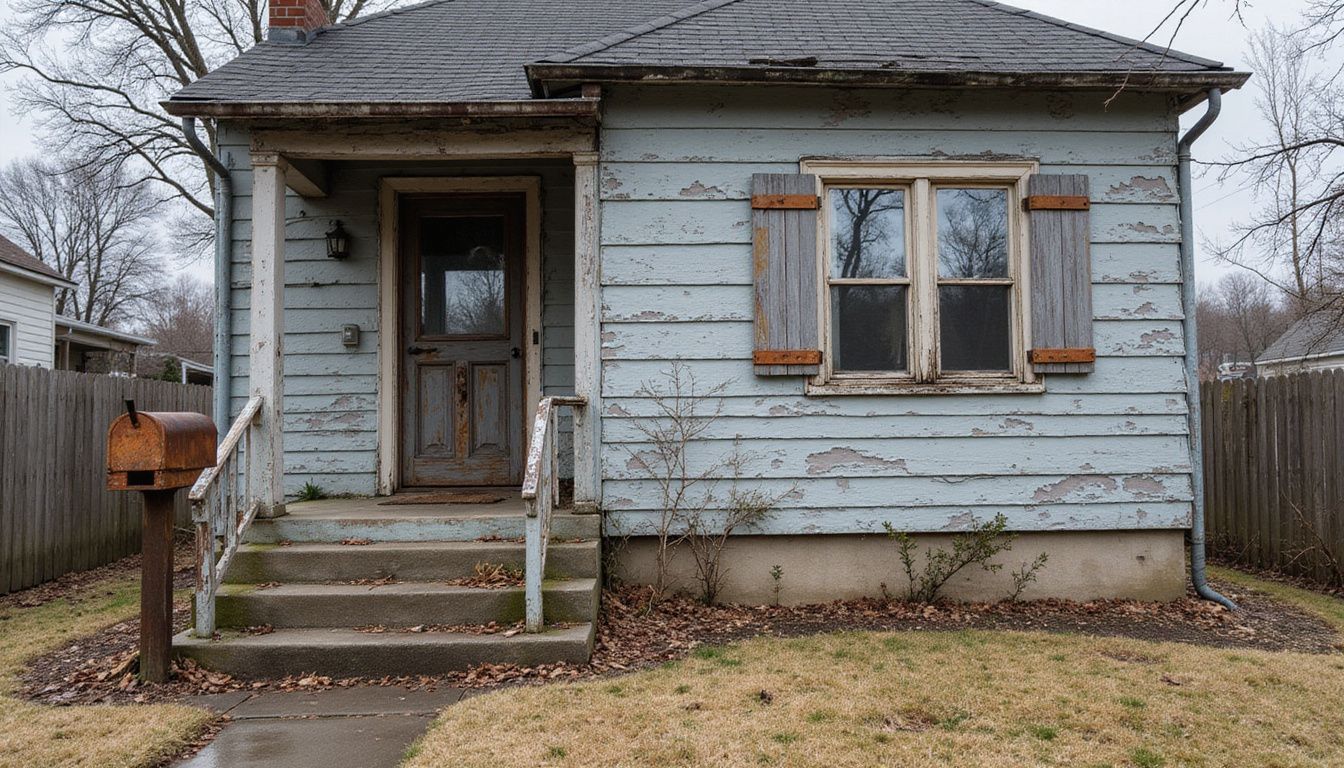
Selling a home “As-Is” means you sell it in its current state. You will not make repairs or improvements before the sale.
Definition of “As-Is” Sales
An as-is sale means the seller will not make repairs or updates before the sale. Buyers take on home inspection and repair work and accept buyer responsibility for fixes.
Sellers must still disclose known defects like roof leaks and foundation cracks. As-is homes often sell for less to cover renovation costs and lower market value. You still face legal liability if you hide hazardous problems.
State disclosure laws, for example, the New York State Property Condition Disclosure Act, apply to as-is sales.
Common Misconceptions About “As-Is” Transactions
Many sellers think “as-is” means no disclosures. Sellers must still disclose known issues and defects. State laws still apply, for example, New York’s Property Condition Disclosure Act.
Hiding roof leaks or foundation problems can lead to legal penalties and liability.
Buyers take more responsibility for inspections and repairs. Prices often drop to reflect likely repair costs. Misconceptions cause wrong expectations about responsibilities, liabilities, and transactions.
Tulsa property sellers should follow disclosure rules and compliance to avoid legal trouble.
Why Are Real Estate Disclosures Important?
Real estate disclosures help protect both buyers and sellers. They keep everyone informed about the condition of the property.
Protecting Both Buyers and Sellers
Sellers must tell buyers about known defects.
Sellers must disclose known defects even when they sell a home as-is in Tulsa, Oklahoma. Major hidden issues like roof leaks and foundation cracks must be revealed. The as-is label does not shield sellers from legal action for hiding serious problems.
Buyers must hire an inspector and plan for repairs. Properties sold as-is are generally priced lower, which can help buyers and protect seller interests. Both parties should use clear communication and full disclosure to cut liability and avoid disputes.
Legal Obligations of the Seller
Sellers must disclose known property defects even if they are selling “as-is.” They have a legal duty to tell buyers about significant hidden issues like roof leaks or foundation cracks.
The “as-is” label does not protect sellers from legal trouble for hiding serious problems. Sellers must comply with local laws, such as the New York State Property Condition Disclosure Act.
Providing a Consumer Guide to Seller Disclosures or other state forms is also necessary. Transparency about a property’s condition is key in real estate sales. Next, required disclosures when selling as-is will be discussed.
Required Disclosures When Selling As-Is
When you sell a home “as-is,” you must share certain facts. Buyers need to know about any major problems or risks in the property before making a purchase.
Known Material Defects
Selling a home “as-is” means you are not fixing any issues before the sale. Even so, sellers still have to tell buyers about known material defects.
- Sellers must reveal any known defects in the property. This includes problems that can affect the value of the home.
- Major issues must be disclosed. These include things like roof leaks or cracks in the foundation.
- Environmental hazards should be mentioned. Buyers should know about risks such as mold or lead paint.
- Problems affecting health or safety need attention. Issues like old electrical wiring or plumbing leaks can pose serious dangers.
- Concealing significant problems is risky for sellers. Legal consequences can arise if defects are hidden from buyers.
Disclosing all known material defects helps protect both parties in the transaction. Next, let’s look at why real estate disclosures matter.
Major Structural Issues
Sellers need to share known major structural issues, even when selling as-is. Not doing so can lead to serious problems.
- Sellers must disclose roof leaks. These can cause water damage and costly repairs later.
- Cracks in the foundation should be reported. They may affect the home’s stability and safety.
- Issues with walls or ceilings need attention. Problems here can signal deeper structural defects.
- Buyers assume responsibility for inspections. They must check for major issues before buying.
- Buyers should budget for urgent repairs related to these problems.
- Legal consequences can arise from failing to disclose. Sellers may face penalties if caught hiding information.
- Clear transparency helps everyone involved. It builds trust between buyers and sellers in the real estate process.
Environmental Hazards
Environmental hazards can affect the safety and value of a home. Sellers must disclose these risks, even in as-is sales.
- Lead paint is common in older homes. If your home was built before 1978, you must inform buyers if lead paint is present.
- Asbestos may be found in older buildings. You need to tell buyers if asbestos is in the home or its materials.
- Radon gas can enter homes from the ground. Sellers should disclose any radon testing results or known radon levels.
- Mold can cause health problems for some people. It’s important to share if there has been a mold issue in your home.
- Underground storage tanks might pose a risk. Disclose any information about these tanks and their contents.
- Hazardous waste or chemical spills near the property should be shared with potential buyers. This helps avoid surprises during the sale.
Being open about environmental risks helps build trust with buyers. Next, let’s discuss issues impacting health or safety.
Issues Impacting Health or Safety
Selling a home as-is does not let sellers off the hook. They still need to share any issues that may hurt the buyer’s health or safety.
- Known material defects must be disclosed. These are problems the seller is aware of, like cracks in walls or leaks in roofs. Buyers need this information to make safe choices.
- Major structural issues should be reported. Problems with the foundation or roof can lead to serious risks for people living there. A strong house keeps everyone safe.
- Hazards that affect health must be mentioned. Mold, lead paint, and asbestos can cause big health problems over time. Sellers cannot hide these dangerous materials from buyers.
- Safety-related issues also require disclosure. This includes faulty wiring or gas leaks that could lead to fires or explosions. Such risks are serious, and buyers must know about them.
- Local laws require sellers to comply with regulations designed to protect buyers. These rules exist to keep buyers safe and informed about what they are buying.
- Buyers often assume responsibility for inspecting properties themselves; they may overlook important details related to health or safety risks if not disclosed upfront.
Sellers can avoid legal penalties by being clear about all known issues affecting their property’s condition before selling it as-is.
Consequences of Failing to Disclose
Failing to disclose problems can lead to legal trouble and financial loss for sellers. This can create big headaches down the road. Sellers should understand the importance of open communication about their property.
Want to know more? Keep reading!
Legal Penalties for Non-Disclosure
Sellers in Tulsa must know the legal penalties for non-disclosure.
| Issue | Summary Points |
|---|---|
| Duty to Disclose | Sellers must report known defects even when selling as-is. Local disclosure laws require compliance. The Consumer Guide to Seller Disclosures is mandated for compliance. |
| Hazardous Issues | Labeling a sale as as-is does not remove legal responsibility for hazardous issues. Sellers must reveal problems that impact health or safety. |
| Hidden Major Defects | Concealing major hidden issues can lead to legal action for deception. Buyers can sue for damages if sellers knew and did not disclose. |
| Legal Actions | Buyers may file lawsuits for damages. Courts can award compensation for repair costs and other losses. |
| Financial Penalties | Non-compliance can result in financial penalties. Sellers risk losing sale proceeds if found liable for non-disclosure. |
| Consumer Protection | State laws protect buyers and impose duties on sellers. Tulsa sellers must follow Oklahoma disclosure rules to avoid penalties. |
| Best Practice | Complete a real estate transfer disclosure statement, and consult state-specific disclosure laws. Be transparent about the property condition to reduce risk. |
Financial Risks for Sellers
Failing to disclose problems with a home can lead to big financial risks for sellers. Legal action may occur if serious issues are hidden. This could result in costly penalties and legal fees.
Sellers might also face claims from buyers after the sale. If undisclosed defects need repairs, sellers will have to pay for them.
Lower sale prices on “as-is” homes often mean less return on investment. Non-compliance with local disclosure laws can create more liabilities. Poor experiences can hurt a seller’s reputation too.
A bad name may make it hard to sell again in the future if potential buyers learn about past issues.
Best Practices for Sellers in “As-Is” Sales
Sellers should complete a Real Estate Transfer Disclosure Statement (TDS) to share important details about the property’s condition. Transparency is key in these sales, so it’s wise to ask questions and stay informed about local laws.
For more insights on selling as-is, keep reading!
Completing a Real Estate Transfer Disclosure Statement (TDS)
A Real Estate Transfer Disclosure Statement (TDS) is a key document for sellers. It helps share important information about the home.
- The TDS shows the current condition of the property. This includes any known issues or defects.
- Sellers must fill out this form honestly. Lying can lead to legal trouble later.
- The TDS covers many aspects of the home. This may include plumbing, electrical systems, and roof status.
- Buyers use the TDS to learn about potential risks. It allows them to make informed choices before buying.
- Completing a TDS is part of being transparent. It helps build trust between buyers and sellers.
- Missing this step can cause problems after the sale. Buyers might feel misled if issues are found later.
- Check your state laws for specific requirements. Different places may have different rules on what to include in a TDS.
- In Tulsa, Oklahoma, following these rules is crucial for a smooth sale. Knowing what to disclose can save time and money for everyone involved.
Consulting State-Specific Disclosure Laws
Completing a Real Estate Transfer Disclosure Statement is key. Next, sellers must consult state-specific disclosure laws. Sellers in Tulsa, Oklahoma, need to follow these rules closely.
Sellers must disclose known property defects even when selling “as-is.” A Consumer Guide or a state-required disclosure form is needed. Major hidden issues like roof leaks and foundation cracks must be revealed.
Local laws protect buyers and hold sellers accountable for any deception. Ignoring these laws can lead to serious legal penalties and financial risks for sellers.
Being Transparent About the Property’s Condition
Consulting state-specific disclosure laws helps sellers know their obligations. Being transparent about the property’s condition is vital. Sellers must disclose known defects even when selling “as-is.” Major issues like roof leaks or foundation cracks must be shared with buyers.
Hiding serious problems can lead to legal consequences for sellers. It is important that buyers are aware of the risks tied to these purchases. They should consider hiring an expert inspector to fully evaluate the property’s condition before making a decision.
Transparency builds trust and avoids liability later on.
Conclusion
Real estate disclosures are key when selling a home as-is. Sellers must share any known defects with buyers. This keeps everyone safe and informed. Forgetting to disclose can lead to big legal issues or financial loss.
Being honest about your property’s condition helps build trust and smooths the sale process.
FAQs
1. What are real estate disclosures when selling as-is?
Real estate disclosures are required statements that sellers make about the condition of a property. They inform buyers about any known issues or defects.
2. Why do I need to provide these disclosures if I sell my home as-is?
Even when selling as-is, you must disclose certain facts about the property. This protects buyers and helps avoid legal problems later on.
3. What specific information must I include in the disclosures?
You should include details such as past repairs, safety hazards, and any major issues with plumbing or electrical systems. Full honesty is important.
4. Can failing to disclose information lead to problems?
Yes, not disclosing required information can result in lawsuits or financial loss for sellers after the sale. It is best to be clear and open with potential buyers.