
Are you worried about possible fines for code violations on your property? Fines can range from simple parking tickets to thousands of dollars for bigger safety or building issues.
This blog post explains the fines for code violations and how to avoid them. Stick around to find out what steps to take next.
Key Takeaways
- Fines for code violations range from $50 to over $10,000. Small issues like trash can cost $50–$200. Serious violations, such as building or safety hazards, can result in fines of up to $2,000 per day or more.
- Local city rules set the fine amounts. Parking tickets may reach $100. Environmental fines may reach $10,000 if you harm the environment.
- Repeat offenses cause higher fines each time. Some areas add daily fees until you fix the problem.
- If you do not pay your fines on time, the penalties grow bigger. The city can put a lien on your property or take legal action against you.
- To avoid these fines, Learn local codes and check your property often for problems like unsafe stairs or trash build-up.
Understanding Code Violations
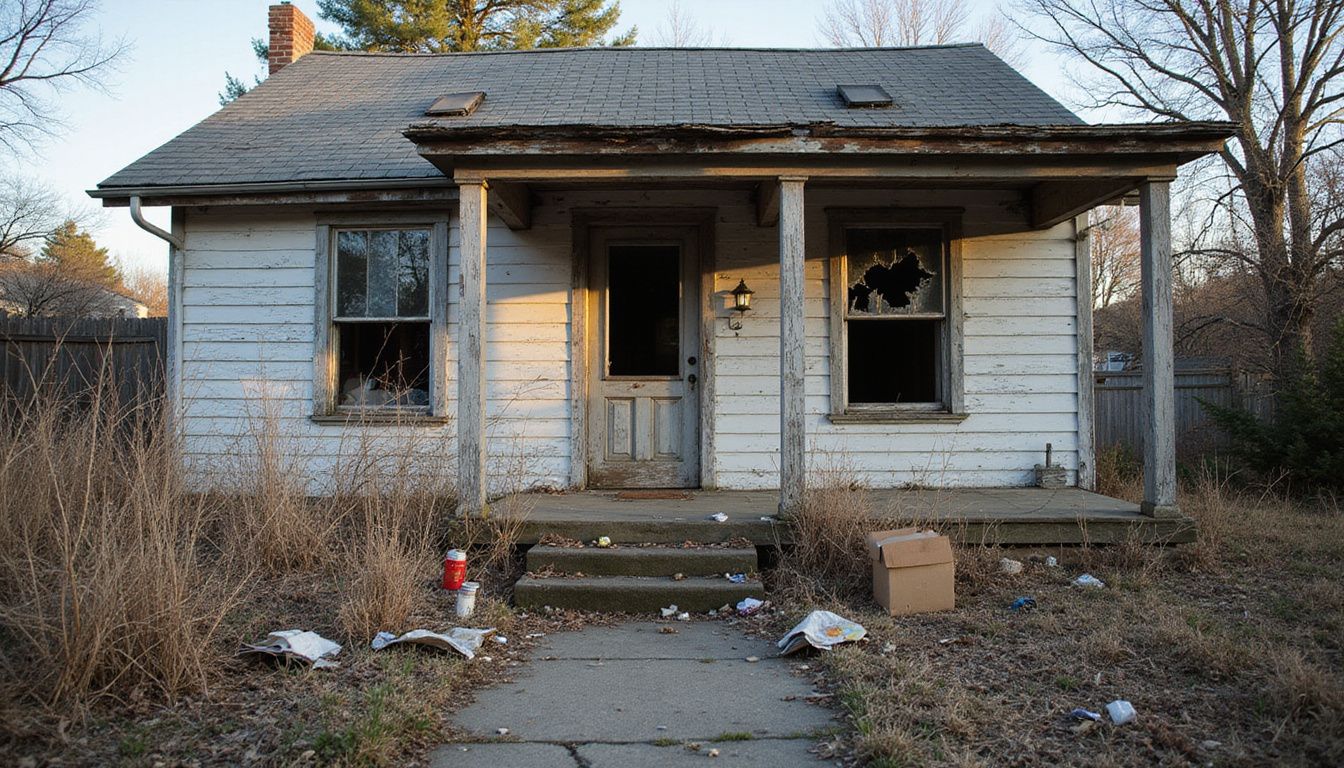
Code violations occur when people don’t follow local property rules. These can range from minor issues, such as yard trash, to serious problems, such as unsafe buildings.
Definition of code violations
A code violation happens when a property breaks local rules or laws. These can be building codes, zoning regulations, or safety standards. For example, if someone does work without permits, that counts as a violation.
So does blocking emergency exits or failing to keep garbage contained on the property.
Cities and towns use inspections to spot these problems fast. They want every home to be safe and up to standard before it’s sold for cash. “Even one small code slip can cause big delays in selling your house,” say many local home buyers who work with city officials each week.
Fines may continue until you fully fix the issues and pass inspection again.
Common examples of code violations
Overflowing trash cans can lead to fines. Storing junk in the yard breaks most property standards. Missing or broken smoke alarms are safety violations. Building a deck without permits also counts as a code issue.
Ignoring building codes, like poor wiring or leaks, risks both fines and safety problems.
Tall grass and weeds often break local zoning laws. Blocked driveways from parked cars violate city parking rules. Failing to fix roof damage can bring quick action from inspectors during property inspections.
Unsafe stairs or missing handrails are major safety concerns for buyers looking to make a fast cash offer on your home. Compliance with these simple rules helps avoid trouble with enforcement and penalties later on.
How Code Violations Are Identified
Code violations are often found through tips from residents. Sometimes, code enforcement officers check properties to see if they follow the rules.
Reporting by citizens
People in the neighborhood often spot code violations before officials do. They can send a report to the city via an app, website, phone, or even by stopping by city hall. Public reporting gives everyone a chance to help keep things safe and neat.
Neighborhood engagement builds accountability and lets city staff know where problems may be hiding.
These citizen reports are checked out next by code enforcement officers. This leads right into official inspections that follow up on community tips.
Inspections by code enforcement officers
Inspections by code enforcement officers follow citizen reports. These inspections help find different types of code violations. Officers check for issues such as building codes, safety hazards, and environmental regulations.
During the inspection, they assess the severity and nature of each violation. If there are repeat offenses, penalties may increase. Inspections play a key role in making sure everyone follows local regulations to keep neighborhoods safe and clean.
Compliance is important for a healthy community.
Types of Fines for Code Violations
Fines for code violations vary depending on the severity of the issue. Minor infractions can lead to small fines, while major problems might result in hefty penalties.
Minor infractions
Minor infractions usually come with small fines. These are often less severe than serious violations. Local ordinances set the penalties for these minor code violations. For example, a neighbor might complain about a tall grass issue or leaving trash cans out too long.
Repeat offenses can lead to higher fines over time. Ongoing minor infractions may even result in daily penalties that add up quickly. The specific amount of the fine depends on your jurisdiction and local rules, so it’s good to stay informed about what is expected in your area.
Serious violations
Minor infractions may result in smaller fines. Serious violations, on the other hand, come with big penalties. Local ordinances specify fines for these issues. They can add up quickly, costing thousands of dollars.
Serious violations may also result in civil penalties or even criminal charges. These charges could include misdemeanors or felonies. If someone repeats a serious violation, fines can get much higher.
Daily penalties for ongoing serious violations make matters worse; they accumulate into large cumulative fines over time. Staying aware of these risks is important if you want to sell your house fast for cash and avoid costly surprises later on.
Repeat offenses
Repeat offenses bring higher fines for code violations. If a violation happens again, the penalties can grow much larger than the first time. Ongoing issues may lead to daily fines until they are fixed.
This means that if you don’t address a problem, those charges can add up quickly over time.
The type of violation also matters. Serious violations will cost more than minor ones. Local laws affect these amounts, too, so fines can differ from one area to another. Selling your house fast for cash might not be possible if repeat offenses keep piling on costs and creating problems that need to be resolved.
Detailed List of Fines for Various Code Violations
Fines for code violations can vary widely. They range from small fees for minor issues to hefty penalties for serious ones.
Parking violations: Up to $100
Parking violations can lead to fines up to $100. The amount may change depending on the seriousness of the infraction. Local laws set these penalties. If you get a ticket, pay it on time to avoid more fees.
Repeated offenses could mean higher fines. In some cases, daily charges apply if the violation continues. Each area has its own rules about parking tickets, so be sure to know them before selling your house fast for cash; any fine could affect the sale process.
Trash/storage violations: $50–$200
Trash and storage violations can cost you between $50 and $200. These fines happen when a property does not follow local sanitation rules. Things like leaving trash out or having junk on your property might lead to these penalties.
The amount you pay depends on the severity of the violation. Local rules set specific fees for different problems. If you let it go, daily fines may add up until you fix the issue.
Repeat offenses could also lead to higher costs next time. Staying aware of your area’s rules can help you avoid those fines!
Building code violations: $500–$2,000 per day
Building code violations can cost you a lot. If found in violation, fines range from $500 to $2,000 each day. This adds up quickly. The more serious the violation, the higher the fine likely will be.
Local rules set these penalties. Repeat offenses lead to even bigger fines. It is vital to correct any issues quickly if you want to sell your house for cash without complications. Ignoring problems could lead to costly daily rates that pile up over time.
Safety hazards: Up to $5,000
Safety hazards on your property can lead to significant fines. If you have dangerous conditions, fines may reach up to $5,000. This includes things like broken stairs or exposed wires that could harm someone.
Addressing safety issues is essential if you want to sell your house quickly for cash. Buyers seek safe homes; they won’t consider a place with serious hazards. Fixing these problems not only prevents fines but also enhances your home’s appeal.
From my experience, resolving safety issues increases buyer confidence and helps close the deal faster.
Environmental violations: $1,000–$10,000 or more
Environmental violations can result in heavy fines. You might face charges of $1,000 or more, up to $10,000 or more for serious issues. These violations often involve harm to nature, such as illegal dumping or pollution.
Local laws enforce these fines to protect the environment.
If you are selling your house fast for cash, be aware of any environmental rules in your area. Ignoring these regulations could cost you a lot of money. Cleaning up before selling can help avoid hefty penalties and make your property more attractive to buyers, too.
Factors Influencing Fines
The type and seriousness of a code violation can change the fine amount. Local laws and the duration of the issue also play a big role in determining penalties.
Type and severity of the violation
Fines for code violations depend on the type and severity of the infraction. Minor infractions lead to small fines, while serious violations can cost thousands. Local ordinances set specific penalties for different types of code violations.
For example, parking violations may cost up to $100, whereas building code violations can range from $500 to $2,000 per day.
Repeated offenses mean bigger fines, too. If someone keeps breaking the same rule, penalties go up with each violation. Ongoing problems could also add daily costs, resulting in large totals over time.
Understanding these factors is key if you want to sell your house fast for cash without incurring unexpected fines later.
Jurisdiction and local ordinances
Jurisdiction affects how fines are set for code violations. Local ordinances create specific rules and penalties for different issues. Every town or city has its own set of rules, so what is penalized in one place may not be the same somewhere else.
More serious problems, such as building code violations, usually have higher fines according to local laws.
Repeat offenses often result in higher fines under these local guidelines. If a violation continues without correction, daily penalties can add up quickly under local ordinances.
Understanding these factors is key to avoiding costly mistakes related to your property before selling it fast for cash. The next section will cover how payment and appeals work when you get fined.
Duration of the violation
Local ordinances set fines based on the length of a violation. Fines can increase daily if issues are not fixed. For minor infractions, the penalty may start low but can grow quickly.
Serious violations often bring higher daily penalties.
Ongoing violations may lead to higher total fines over time. If you have repeat offenses, expect escalating costs with each new violation. This means that taking care of problems right away is key to avoiding larger penalties later on.
The longer you wait, the more it will cost you in the end.
History of repeat offenses
Repeat offenses lead to higher fines. The first time someone breaks a code, the fine may not be too big. For each new violation, the cost usually goes up. Offenders might face much bigger penalties for being caught again.
Ongoing violations can add daily fees. This means if you keep breaking codes, your fines could grow quickly. Over time, these cumulative fines can become quite large. Compliance is key to avoiding these severe sanctions and extra costs on your property when you’re ready to sell it fast for cash.
Payment and Appeals Process
You can pay your fines in different ways. If you think the fine is unfair, you have the right to appeal it.
Payment deadlines and methods
Fines for code violations must be paid on time. Each fine has a deadline, usually set by the local government. Make sure to pay before that date to avoid extra charges. Follow the instructions on your ticket or notice for payment.
Different methods are available for payment. You can often pay online, by mail, or in person at a designated office. Check which option works best for you and keep records of your payments to ensure compliance with all deadlines and submission timelines.
If needed, you can appeal a fine if you believe it was issued unfairly; find out how to do this from local guidelines, too.
How to appeal a fine
To appeal a fine, first check the details on your notice. Find out who issued it and what you need to do next. Write a clear letter explaining why you think the fine is unfair. Include any proof that supports your case; this could be photos or documents.
Send the letter to the right place before the deadline. Keep a copy of everything for yourself. If you don’t get a reply in time, follow up or call them directly for an update. This process can take some time, but stay patient as they carefully review your appeal.
Let’s move on to what happens if fines go unpaid.
Consequences of Unpaid Fines
If you don’t pay your fines, the penalties can get worse. You might face legal actions, or even liens on your property… not a fun situation.
Escalation of penalties
Unpaid fines can lead to more trouble. Repeat offenses usually get higher fines. The cost keeps going up for each new violation. Ongoing issues may also add daily penalties, which add up quickly.
Serious violations come with higher costs than minor ones.
Local rules set the specific penalties, which change based on how often or how serious the violation is. If someone ignores the fines, civil penalties may increase, too. This means that staying compliant is important to avoid hefty fees later on.
Legal actions or liens
Escalating penalties can lead to serious problems. Fines that go unpaid often result in legal actions. This may include collections or lawsuits against you. These legal steps can cause a lot of stress and hassle.
Liens may be placed on your property for unpaid fines. A lien means that the government has a claim on your home until you pay what you owe. This affects your ability to sell your house fast for cash.
Local laws determine how these liens work and how quickly they are enforced. If someone repeatedly violates codes, they face even more severe consequences and financial liabilities over time.
Preventing Code Violations
Stay updated on local codes. Regular property checks help you avoid fines down the road.
Staying informed about local codes
Staying informed about local codes helps sellers understand penalties for code violations. Each place has its own regulations, and these rules can change. Knowing what you can and cannot do is key to avoiding fines.
Some violations lead to daily charges that add up fast. Learning about local ordinances also helps prevent repeat offenses, which often result in larger fines.
Regularly updating your knowledge on local codes reduces the risk of serious violations, too. This awareness supports compliance with laws in your area, saving you money down the line.
Next, let’s look at various types of fines for code violations.
Maintaining regular property inspections
Regular property inspections help keep your home in good shape. It enables you to spot problems before they grow bigger and cost more to fix. Check your roof, plumbing, and electrical systems often.
This way, you can catch issues like leaks or faulty wiring early on.
Stay informed about local codes to avoid violations. A small problem might turn into a big fine if left unchecked. Regular checks show that you care for the property and meet building standards too.
Keeping up with this routine makes selling your house easier down the line.
Conclusion
Fines for code violations can add up fast. Small issues like parking can cost you $100. Serious problems, like safety hazards, might cost $5,000 or more. Always check your local rules to avoid these costly mistakes.
Staying informed helps keep your wallet safe and your property in good shape.
FAQs
1. What are code violations?
Code violations happen when someone does not follow the rules or laws set by local governments. These rules help keep buildings safe and neighborhoods nice.
2. What fines can I face for code violations?
Fines for code violations vary by type and location. They can be small, like a few dollars, or large, reaching thousands of dollars if the issue is serious.
3. How do I find out about my specific fines?
You can check with your local government office or website to learn about fines linked to specific code violations in your area. They often provide clear information on the cost of each violation.
4. Can I appeal a fine for a code violation?
Yes, you might be able to appeal if you think the fine is unfair. Most places allow you to contest the fine through a formal process; just make sure you act quickly and follow their guidelines carefully.