
Selling your house fast can get tricky if you run into property issues. Many homes are hit with a code violation at some point, which means they break local rules. This post will explain what happens if you get a code violation and how to fix it.
Keep reading to protect your sale and avoid big trouble!
Key Takeaways
- A code violation means your property violates local rules, such as tall grass or unsafe wiring. You may receive a Violation Notice from a city inspector with details and proof.
- If you do not fix the problem by the deadline, you could face daily fines or even be taken to court for further action.
- Always read your Violation Notice carefully and contact your local code enforcement office right away to ask questions and avoid bigger trouble.
- Fixing the issue quickly can prevent additional penalties and help keep your house ready for sale; keep records of all repairs as proof for re-inspection.
- After repairs, officials will inspect again to ensure everything is fixed; if so, no further problems or costs will result from this violation.
What is a Code Violation?
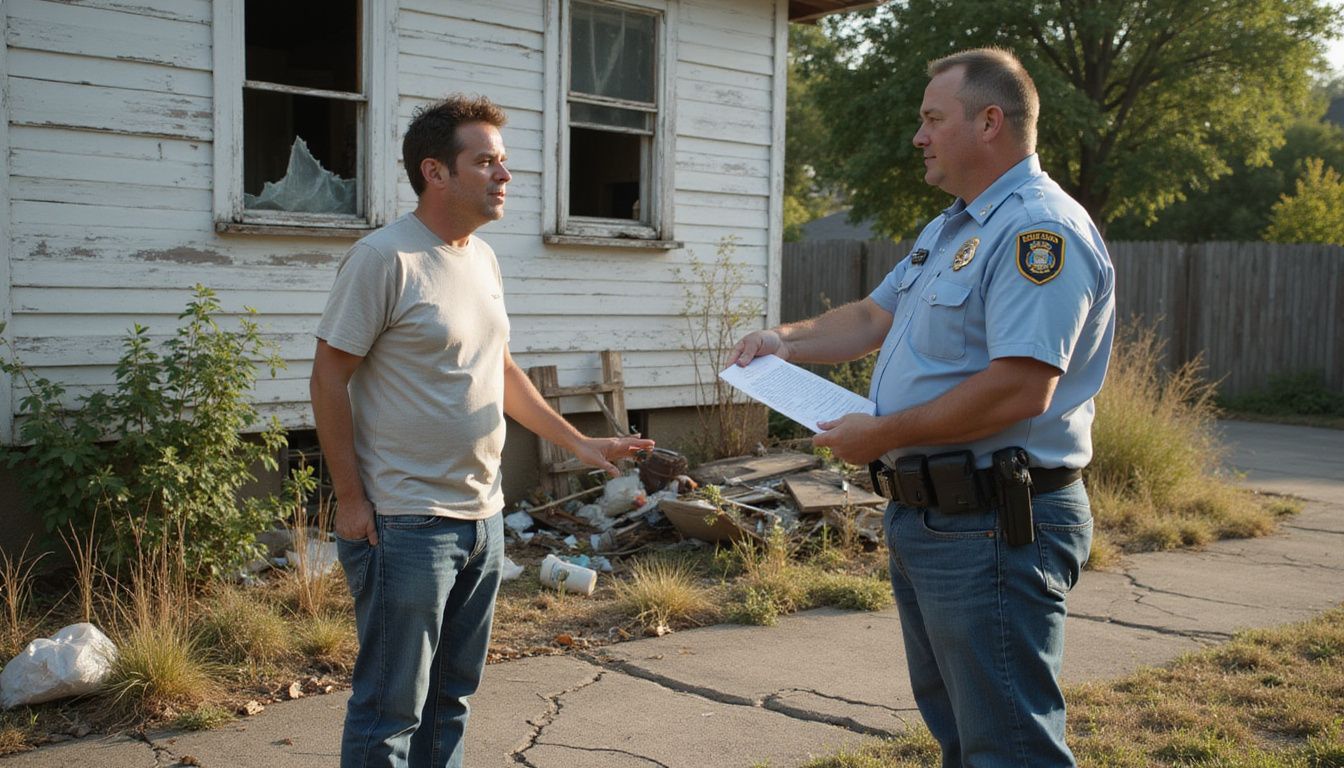
A code violation happens when a property breaks local rules or laws. These rules can cover things like tall weeds, broken windows, unsafe wiring, or trash piles in your yard. Cities and towns want homes to meet their health and safety standards.
You might get a Violation Notice if an inspector finds problems during a Property Inspection.
Breaking property regulations can lead to fines, penalties, or repairs, says a Code Enforcement Officer.
Not fixing these infractions could cost you money and cause legal trouble. The city may give out a Citation; sometimes they send Civil Penalties or issue a Court Order to force action.
Each city has its own Code Compliance rules that every property owner must follow.
Receiving a Code Violation Notice
A Violation Notice often arrives by mail or gets handed to you in person. It lists the property regulations broken, like having tall grass, unsafe wiring, or an illegal shed. The notice comes from a Code Enforcement officer who checks for code compliance in your city.
Sometimes, you see photos attached as proof of the code infraction.
Names and contact details of the authority appear on the paper. You might see words like Citation, Civil Penalties, Abatement Order, or even Court Order mentioned if things get serious later.
Usually, there is a deadline to fix what’s wrong before fines start adding up fast. Property owners trying to sell quickly should review each detail carefully; missing a step can slow down your sale or cost you extra fees.
Immediate Steps to Take
If you get a code violation notice, the first step is to read it carefully. Understand what the issue is and who to contact for help… Don’t wait too long! Acting fast can save you from bigger problems later.
Want to know more about what to do next? Keep reading!
Understanding the violation
Read your Violation Notice closely. Every city or county has rules for property owners. These may include overgrown grass, broken fences, junk cars in the yard, or unsafe wiring inside the house.
Code Enforcement Officers check for these problems during a property inspection.
A violation means your place does not meet local property regulations. The notice will explain what rule you broke and where in your house it happened. As the owner, it is important to know every infraction listed so you can fix each one fast.
Ignoring code violations can lead to big fines and even court orders.
Most cities give you a time limit to correct issues before they add civil penalties or send another citation. Fixing the problem quickly helps avoid costly enforcement actions later on.
Contacting the relevant authority
Understanding the violation helps you see what went wrong. Next, you should contact the relevant authority. This is often your local code enforcement office. They can give you more details about the violation notice.
Talking to them can clear up confusion. You may want to ask questions about how to fix the issue or learn your rights as a property owner. An enforcement officer can explain any steps needed for compliance, too.
Being open and direct makes this process easier and faster for everyone involved.
Correcting the Code Violation
Fixing a code violation starts with understanding what went wrong. Check the violation notice carefully. It will explain the issues that need to be fixed. Next, reach out to your local code enforcement office.
Ask questions if something is unclear.
After this, make a plan to correct the problem. You may need permits for some fixes, so check on those too. Take action quickly to avoid more fines or penalties later on. Keeping records of all repairs can help prove you are compliant and ready for re-inspection down the road.
Consequences of Non-Compliance
If you don’t fix the code violation, you might face fines or penalties. The local government can also take legal steps to make you comply, which could lead to a court order.
Fines and penalties
Code violations can lead to fines and penalties. These costs depend on the type of violation and where you live. Some fines start low but can grow over time.
Ignoring a code violation can bring more problems. You might face daily fines if you do not fix the issue quickly. Serious cases may even result in court orders or other legal actions against you.
Avoiding these outcomes is key if you’re looking to sell your house fast for cash.
Legal actions and enforcement measures
Fines and penalties may not be the end of your troubles. Legal actions can follow if you do not fix the code violation. The city or county might take you to court. They want to make sure your property meets all rules.
Enforcement measures can also happen. An enforcement officer may come for an inspection. If your property is still in violation, they might issue a citation. This document lists what needs fixing and sets a deadline.
Ignoring it could lead to bigger fines or legal trouble, so act fast!
Re-Inspection and Achieving Compliance
After you fix a code violation, an officer will reinspect your property. This re-inspection checks if you followed the rules. If everything is correct, the officer will mark your case as compliant.
That means no more trouble for you.
Sometimes, compliance may take time and effort. Be ready to show proof of the changes you made. This could be documents or photos of repairs. Stay in touch with the enforcement office to keep everything clear and smooth.
You want to avoid fines or other issues down the line. Next up is what might happen if things don’t go as planned with non-compliance.
Conclusion
Getting a code violation can feel stressful. You might face fines or penalties if you do not fix the problem. Acting quickly is key; contact your local authority to learn more. Fixing the issue shows you care about your property and follow the rules.
Staying compliant helps keep everything running smoothly and protects your investment, too!
FAQs
1. What is a code violation?
A code violation happens when someone breaks local building or safety rules. These rules are in place to keep everyone safe and ensure buildings are up to standard.
2. What can happen if I get a code violation?
If you receive a code violation, you may face fines, legal action, or even orders to fix the problem. Ignoring it could lead to more serious consequences down the line.
3. How do I resolve a code violation?
To resolve a code violation, first read the notice carefully. Then, fix the issue as soon as possible and contact your local authority for guidance on how to comply with their requirements.
4. Can I appeal a code violation?
Yes! If you believe the citation is unfair, you can often file an appeal with your local government office. Be sure to gather evidence that supports your case before starting this process.