Are you worried about problems that could stop your house sale? Many homes fail to meet building codes, which can cause problems. In this blog, you will learn “What Are Building Code Violations,” why they matter, and what to look for.
Read on to find out how simple fixes can make a big difference!
Key Takeaways
- Building code violations happen when homes or buildings do not follow local safety rules. Examples include missing smoke detectors, bad wiring, and unsafe decks without permits.
- Local governments check for violations during inspections. Issues like weak foundations, leaks, poor drainage, or missing ramps are common problems found.
- Code violations can lead to fines, repair orders, and legal actions. Owners may have to fix problems before selling or letting people live there.
- Failing to fix issues can stop a home sale and lead to higher costs later. Authorities can even order people to move out until repairs are completed.
- Fixing building code violations helps keep everyone safe and avoids big trouble during a house sale.
What Are Building Code Violations?
After understanding why safe homes matter, it is time to look at building code violations. These violations happen if a house or building does not meet local safety rules and construction standards.
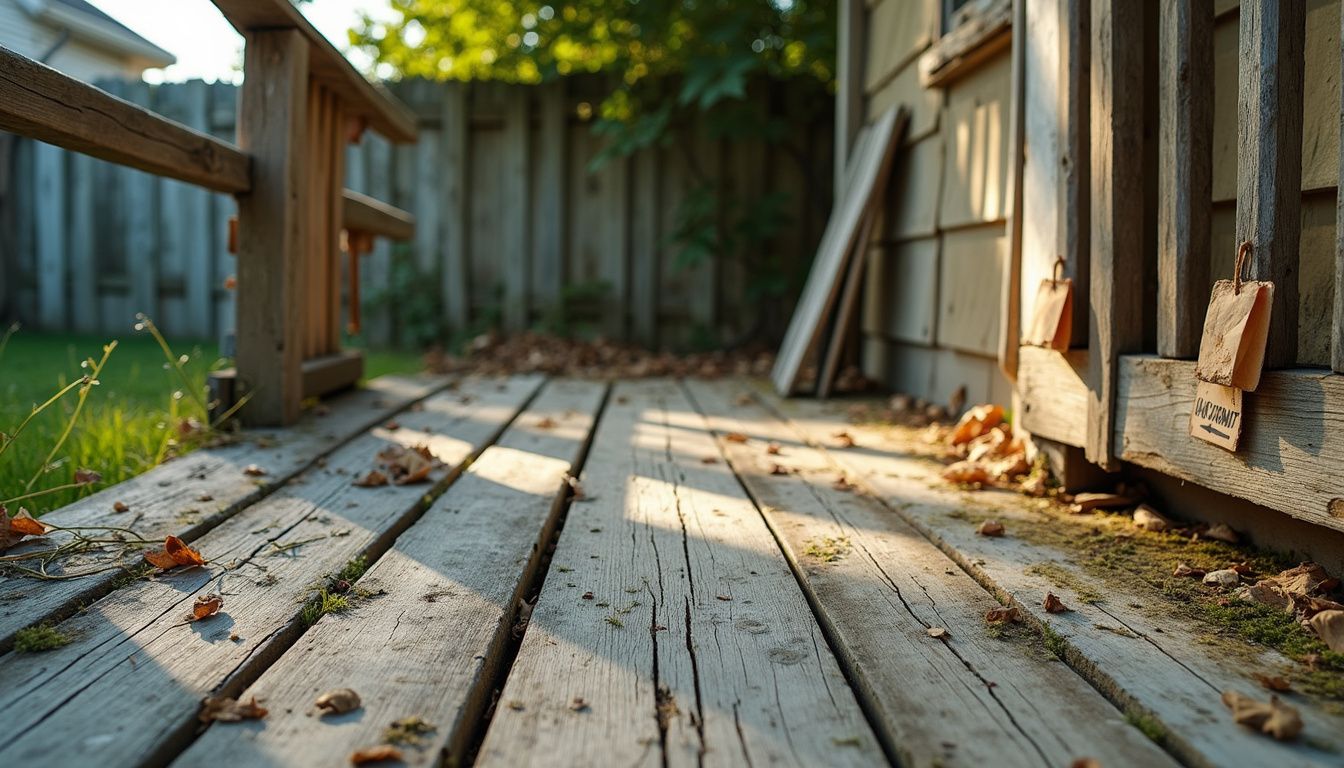
For example, missing smoke detectors or using bad electrical wiring can become a big problem fast. I once sold an older rental home, and inspectors found an unsafe deck without the right permit.
Local governments set regulations to keep people safe inside their homes. They check for risks like faulty plumbing, broken steps, or weak structures during inspections. If your house has dangerous stairs that could cause someone to trip, this counts as a hazard too.
Failing inspections means you must fix the issues before selling your property for cash. Enforcement of these codes includes orders to repair problems and sometimes heavy fines if you ignore them.
Accessibility also matters in many places due to laws such as the Americans with Disabilities Act (ADA). Missing ramps or hard-to-open doors might lead to penalties because they stop some people from entering safely.
Construction defects, like leaking roofs, often fall under building code violations because they do not comply with required safety standards. Permits play a huge role; skipping permits during upgrades usually leads straight to trouble once city officials find out.
Common Types of Building Code Violations
Building code violations can happen in many areas. Some issues relate to structure, while others deal with electrical and plumbing work.
Structural Issues
Structural issues often break building codes. Inspectors look for problems such as weak foundations or broken support beams. Sagging roofs and poor use of building materials also rank high on their list of deficiencies.
If a house has these problems, compliance officers may issue penalties or demand costly repairs.
Authorities can stop people from living in homes with unsafe structures until repairs are made. People who want to sell fast for cash should check for code violations before listing the house.
My neighbor tried to sell his home in 2023 but had trouble due to a cracked foundation that needed fixing first.
Enforcement keeps homes safe, meets regulations, and helps sellers avoid fines.
Electrical System Deficiencies
Improper wiring configurations and exposed electrical wires create big electrical hazards. Missing ground fault circuit interrupters (GFCIs) in kitchens and bathrooms violate building code requirements.
These common problems put people at risk of shock or fire. Local authorities check for these issues during inspections to make sure homes follow the law.
Property owners may get fined if an inspection finds electrical system deficiencies. Sometimes they must fix the problems before selling the house or letting anyone live there. Long delays can occur if legal action is taken against unsafe properties with severe safety risks, such as bad wiring or missing safety devices like GFCIs.
Plumbing Code Violations
Plumbing code violations happen often. Common problems include leaks, poor drainage systems, and bad installation of pipes and fixtures. Many issues arise from not getting the required permits or using cheap materials.
Property owners can face financial penalties when these problems occur. They might also need to fix the issues before selling their homes.
Repairs take time and money. Not fixing plumbing code violations can lead to occupancy restrictions, too. Some owners may even face legal action due to serious construction defects related to plumbing codes.
Addressing these issues quickly is wise for anyone looking to sell their house fast for cash.
Fire and Safety Hazards
Blocked emergency exits and missing smoke detectors can create fire and safety hazards. Insufficient fire blocking measures also increase the risk of fire spreading in buildings. Non-compliant handrails present dangers on stairways.
These issues can lead to serious consequences for anyone living or visiting a property.
Compliance with fire safety codes is crucial to preventing injuries from fire. Authorities often require repairs for any hazards found during inspections. It is vital to address these risks if you want to sell your house fast for cash.
Taking care of fire safety now will help prevent problems later.
Consequences of Building Code Violations
Violating building codes can lead to fines and legal trouble. You may also face delays in repairs or restrictions on using your home.
Fines and Legal Actions
Fines can hit property owners hard for not following building codes. Authorities may require them to fix violations quickly. If a property owner does not comply, they might face legal actions.
This is common for serious violations that pose a safety threat.
Severe infractions could lead to legal proceedings against the owner. Buildings with major code violations might be ordered to remain empty until the violations are corrected. Owners also risk paying financial penalties if they ignore these rules.
Next, we will explore repairs and restrictions on occupancy due to building code violations.
Repairs and Occupancy Restrictions
Building code violations can lead to serious issues. It is important to know the effects of these violations, especially if you want to sell your house fast for cash.
- Authorities may order repairs to fix building code violations. This means you must spend time and money to correct any problems.
- Occupancy restrictions can be put in place. This forces property owners to vacate buildings until they make necessary fixes.
- Severe infractions may result in legal action against property owners. This could mean facing court and dealing with fines.
- Frequent violations can lead to stricter enforcement. Owners risk larger penalties or more serious legal consequences for ongoing issues.
These factors can complicate the sale of your home quickly. Understanding them helps you act wisely. Next, let’s look at the consequences of building code violations.
Conclusion
Building code violations can cause serious problems. They happen when buildings do not meet safety and health rules. Common issues include weak structures, bad electrical work, and plumbing leaks.
Violations can lead to fines and repair orders. Fixing these problems is vital for safety and compliance.
FAQs
1. What are building code violations?
Building code violations occur when a construction project does not follow local laws or rules. These codes ensure safety and proper standards in buildings.
2. Why do building codes exist?
Building codes exist to protect people’s health and safety. They set the minimum requirements for design, construction, and maintenance of structures.
3. How can I know if there is a violation?
You can check by looking at inspection reports or permits for your property. Local authorities often provide this information to help you understand any issues.
4. What happens if there is a violation?
If there is a violation, the owner may face fines or be required to fix the problem. In some cases, they might need to stop work until it meets code standards again.