Are you worried about selling your house fast because of problems with the property? Many houses have issues called housing code violations, which are breaches of local safety or building rules.
This article will help you understand what housing code violations are and show simple ways to spot and fix them. Keep reading to see how you can make your home safer and easier to sell for cash.
Key Takeaways
- Housing code violations occur when a home fails to comply with local safety or building codes. Examples are exposed wires, plumbing leaks, missing smoke detectors, and pest infestations.
- In 2023, many homes had water damage from leaks that owners ignored for months. Old wiring is common in homes built before 1960 and can cause shocks or fires.
- Code violations put people at risk of health problems. Issues like mold from leaks or pests make it hard to live safely.
- Landlords who do not fix violations may get fined. Tenants in unsafe homes can report the problem to local authorities or use online portals.
- Fixing housing code violations raises your home’s value and helps sell it fast for cash. Always document repairs and keep records for inspections.
What Are Housing Code Violations?
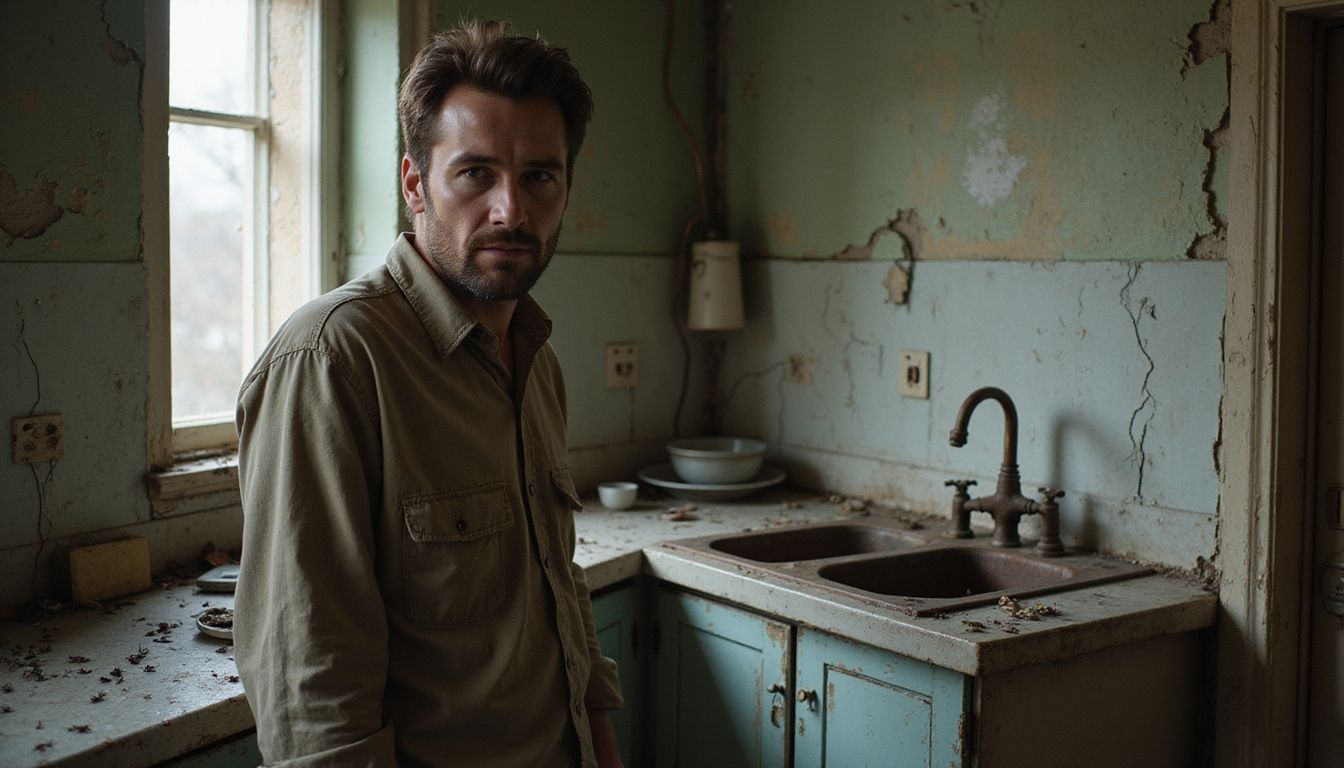
Housing code violations break local building codes and safety rules. These issues affect property maintenance, health standards, and fire hazards. Your house may have old wiring or exposed outlets, which pose a risk to people.
Broken pipes, leaks, or a lack of hot water are plumbing problems that also count as violations.
My neighbor once had missing smoke detectors in his rental unit; the city stepped in quickly, as this is considered a major fire safety hazard. Pest infestations, like roaches or rats, cause sanitation issues, while broken roofs and cracked walls pose real structural risks.
If you spot any inspection violations like these, get them fixed before selling your home for cash quickly. Next up are some common types of housing code violations to watch out for if you want a smooth sale.
Common Types of Housing Code Violations
Common Types of Housing Code Violations can create serious issues. Many homes face problems like unsafe electrical systems, plumbing leaks, and cracks in walls.
Unsafe electrical systems (exposed wiring, outdated outlets)
Exposed wiring, outdated outlets, and old knob-and-tube setups show clear signs of unsafe electrical systems. Wires left uncovered can shock people or even start a fire. Ungrounded outlets and overloaded circuits often cause power surges, putting your home at risk of damage or injury.
Many homes built before 1960 have these problems if the wiring has never been upgraded.
City inspectors check for code compliance to keep everyone safe. Owners must fix electrical violations fast to avoid fines or legal trouble. If you spot unsafe wiring in your house, you can report it to the authorities or ask an electrician for help.
Unsafe systems break property regulations and lower your home’s value on the cash market.
“Addressing any exposed wires or old outlets keeps buyers interested, and helps prevent danger during a sale.”
Plumbing issues (leaks, lack of hot water)
Leaking pipes or old, damaged plumbing often break building codes. In 2023, many homes had water damage from small leaks that owners ignored for months. Water supply problems, such as no hot or cold water, can make life difficult and unhealthy.
Hot water must always work in every home to meet basic safety standards.
Pipe corrosion makes clean water unsafe. Slow drainage and clogged pipes pose sanitation risks that attract pests; these problems need quick repairs before selling your house for cash.
Non-professional fixes usually cause more issues after inspections, which can lower the property value quickly. Always document any plumbing issues with photos and talk with your landlord right away if you rent.
Structural problems (damaged roofs, cracked walls)
Plumbing issues can lead to serious problems, but structural problems are often worse. Damaged roofs can cause leaks in your home. They can also lead to mold and other safety hazards.
Cracked walls signal that the structure may be weakening. These issues affect the safety of residents and lower property value.
A house with these violations is hard to sell quickly for cash. People worry about their health and safety when they see these problems. Many buyers want a safe living space, so fixing these issues first is important if you want to sell your home fast for cash.
Don’t ignore them; addressing structural problems helps protect tenant rights and ensures compliance with housing standards.
Fire safety hazards (missing smoke detectors, blocked exits)
Moving on from structural problems, fire safety hazards pose serious risks. Missing or broken smoke detectors are common issues. These devices protect lives by alerting people to smoke or fire.
Without them, residents face great danger.
Blocked exits can make a big difference during emergencies. If people cannot escape quickly, they are at risk. Homes must have clear paths to safety. Fire prevention is key to keeping families safe and healthy.
Tenants should report any fire safety issues to property owners or local agencies right away; addressing these issues helps everyone live with peace of mind.
Unsanitary conditions (pest infestations, sewage issues)
Poor living conditions often come from unsanitary issues. Pest infestations are a common problem. Bugs, rodents, and other pests can invade homes, causing health hazards for everyone inside.
Sewage problems are another major issue. Sewage leaks can make a home smell bad and create dangerous situations.
People who want to sell their house fast should pay attention to these matters. Health risks grow when sanitation is not up to par. It’s wise to report these issues quickly. Contact the property owner or local code enforcement if you see a problem.
Document all interactions related to these violations; this helps in finding solutions faster and protects your interests in the long run.
Health and Safety Risks of Code Violations
Housing code violations can create serious health and safety risks. Unsafe electrical wiring, such as exposed wires, poses serious risks to everyone in the home. A short circuit can start a fire or cause shocking accidents.
Plumbing problems add to this risk. Leaks can lead to mold and other unsanitary conditions that harm health. Lack of water makes it hard for residents to stay clean.
Structural issues also threaten safety. Cracked walls or damaged roofs may collapse without warning. In addition, missing smoke detectors increase the chance of fire hazards in emergencies.
Pest infestations make living areas unhealthy; they attract harmful germs and cause stress among residents, too. Reporting these violations is important for keeping people safe and healthy at home, which is crucial for anyone looking to sell their house fast for cash right now or in the near future.
Consequences of Housing Code Violations
Housing code violations can lead to serious consequences for landlords and tenants. Landlords may face fines or legal trouble. Tenants may risk their health in unsafe homes. Want to know more about these issues? Keep reading!
Legal penalties for landlords and property owners
Landlords face legal penalties if they do not fix housing code violations. They can get fines for each unaddressed violation. The penalties may increase for repeat offenders.
Legal actions can also result in tenant evictions, a serious issue for landlords. If they fail to comply with housing codes, they might have to pay for necessary repairs.
Liability issues arise when code violations cause damage to tenants. This means landlords could owe money if their property harms residents. Codes set minimum living standards, and breaking these rules can lead to strict enforcement actions and heavy penalties.
These factors put pressure on landlords to keep their properties safe and up to code at all times, as dealing with complex legal troubles later is much more difficult.
Risks for tenants’ health and well-being
Housing code violations can harm tenants’ health and well-being. Pest infestations and unsanitary conditions, such as mold growth, pose serious health risks. These hazards can cause breathing problems and other illnesses.
Structural issues also create safety risks for tenants. Damaged roofs or cracked walls may fall apart, which is dangerous.
Inadequate fire protection raises the chance of fire-related injuries or even death. Unsafe electrical wiring increases the risk of electrical shocks or fires. Plumbing issues can damage property and worsen respiratory health by promoting mold growth.
Accumulating trash and sewage spreads disease, adding to existing health concerns. The necessity to address these violations is clear; it protects tenant safety and promotes better living conditions for everyone involved.
Following this are some consequences of housing code violations that landlords may face.
How to Address Housing Code Violations
You can report housing code violations to local authorities for action. Property owners need to fix the issues quickly. This ensures safe living conditions for everyone. Want to learn more about handling these problems? Keep reading!
Reporting violations to the authorities
Residents should first report housing code violations to the property owner or manager. This gives them a chance to fix the problem. If nothing changes, residents can submit a complaint to local authorities.
Most towns have online portals for this purpose.
It is vital to document everything about the violation. Keep records of all talks with landlords and any communication with authorities. Good documentation helps build your case if issues continue.
Steps for property owners to make repairs
Fixing housing code violations is important for safety and comfort. Here are the steps for property owners to make repairs:
- Inspect the property and look for issues such as leaks, cracks, or broken outlets.
- List all problems that need fixing; start with the most urgent ones first.
- Hire licensed professionals if you are not skilled in repairs; they know how to follow safety standards.
- Get permits if necessary; some fixes require approval from local authorities.
- Make the repairs as soon as possible; this helps avoid further damage or fines.
- Keep receipts and records of all repairs made; this can help when selling the house.
- Schedule a re-inspection with code enforcement after completing the work; ensure everything meets safety standards.
Fixing these issues can greatly improve your home’s value and appeal to buyers wanting a quick sale for cash. Next, we will look into resources for assistance with housing code violations.
Resources for Assistance
You can start by reporting any housing code violations to your property owner or manager. If the issue is not fixed, contact your local code enforcement agency to file a complaint.
Many areas have online portals that let you report complaints easily.
Keep good records of all your communications about the violation. This will help if you need to seek legal advice later. If your landlord does not respond or poses a safety threat, it’s smart to get legal assistance.
Knowing your tenant rights and how to use them is important for your safety and health in rental properties.
Conclusion
Housing code violations are serious issues. They can affect safety and health in homes. Problems like broken smoke detectors or leaks need attention. Reporting these violations helps keep living spaces safe for everyone.
Stay informed about your rights as a tenant, and don’t hesitate to act when you see problems around you. Safe homes matter!
FAQs
1. What are housing code violations?
Housing code violations occur when a property fails to meet the safety and health requirements set by local laws. These rules cover things like plumbing, electrical systems, and building structure.
2. How do I know if my home has housing code violations?
You can check for housing code violations by looking for signs like peeling paint, broken windows, or leaks. You may also contact your local building department to see if there are any reported issues with your property.
3. What should I do if I find a violation in my home?
If you find a violation, it is important to fix it quickly. Contact a qualified contractor who can help make repairs according to the local codes. You might also need to notify your city or town of the changes.
4. Can housing code violations affect my property value?
Yes, housing code violations can lower your property’s value because buyers often avoid homes that have unresolved issues. Fixing these problems helps maintain or increase your home’s worth over time.