
Selling a house with code problems can feel stressful and confusing. Many buyers will not use a mortgage to purchase homes with major issues. This “Sell House With Code Violations Faq” post answers your top questions and shows easy ways to sell fast for cash.
Continue reading to discover how you can turn those repairs into quick cash!
Key Takeaways
- You can sell a house with code violations, but you must tell buyers about all known problems. Hiding these issues can cause legal trouble later.
- Cash buyers and investors often purchase homes with code violations quickly, but they typically pay less due to the additional repair costs.
- Most lenders will not offer loans for houses with big code issues, so selling as-is to cash buyers is often quicker and easier.
- Local laws may require you to fix some safety problems before closing. Always check your city’s rules first.
- Offering credits or lowering the price helps attract more buyers. Working with a real estate agent can make the process smoother.
What Are Code Violations?
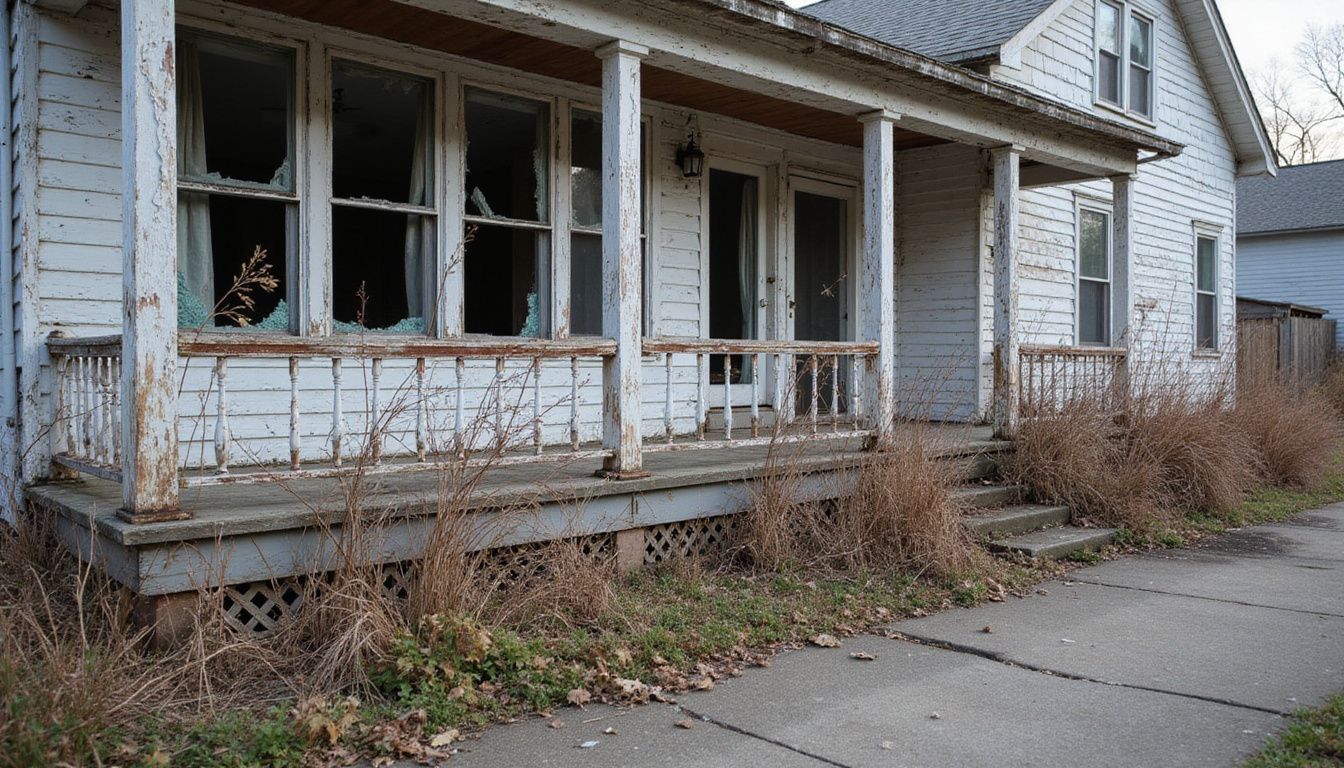
Code violations happen when a house does not follow local building codes or zoning laws. These rules keep homes safe and in good shape. If a property fails a home inspection, it may have code issues, such as unsafe wiring, broken plumbing, missing permits for renovations, or even simple things like the absence of smoke alarms.
Most cities require you to address severe problems before selling. Lenders rarely want to finance homes with major code violations because these can lower the value of your property and cause legal trouble if not disclosed.
For example, an old owner once sold me his house quickly for cash after city inspectors found that electrical work had been done without permits; he could not obtain regular financing since the banks refused due to this violation.
Code violations often mean buyers will offer less money, as repairs require additional time and effort.
Can You Sell a House With Code Violations?
Yes, you can sell a house with code violations. Many cash buyers and investors look for these types of homes. They know about repairs and want to buy fast. You must tell buyers about any problems to avoid legal trouble later.
Failing to share this information can lead to lawsuits for fraud or breach of contract.
Most houses with building code issues sell at a lower price because they may not qualify for bank loans or traditional financing. I once sold an old home with electrical violations in my area, and only cash buyers showed interest; they moved quickly but offered less money due to needed fixes.
Sellers often give discounts or repair credits if they do not fix the problems themselves before selling their property.
Do You Need to Fix Code Violations Before Selling?
You do not always need to fix code violations before selling. Some sellers choose to sell as-is, especially if they want a fast cash sale. Cash buyers and investors often accept homes with code issues, but the property usually sells at a discount.
Local laws may require you to address specific issues before closing, such as correcting any defects that could harm someone or pose a safety risk. In my experience helping others sell their homes quickly, it is wise to check local rules regarding building codes and compliance issues first.
You must also tell buyers about any known violations during the real estate transaction process to avoid legal trouble later.
How Do Code Violations Impact Property Value?
Fixing code violations may help, but even without repairs, the presence of these issues can harm property value. Code violations usually lower the market price. They can scare off many buyers and lead to longer selling times.
Homes with significant issues often sell at a discount because people worry about the costs they will face later.
Lenders also shy away from homes with serious violations. This makes it more challenging for sellers to secure traditional financing options. Cash buyers are more open to purchasing such houses, which allows for quicker deals.
Providing repair credits or lowering your asking price can also attract potential buyers who might look past those problems.
Common Types of Code Violations
Code violations can happen for many reasons. Some homes have structural issues, like cracks in the walls or unstable foundations. Others might face electrical or plumbing problems that don’t meet safety codes.
There are also cases where work was done without proper permits. Each type of violation has its own set of challenges to address when selling a house.
Structural issues
Structural issues are a common type of code violation. These can affect the safety and soundness of a home. Problems may include cracks in walls, shifting foundations, and water damage.
Such issues often arise from poor construction or a lack of maintenance. They can also break building codes and safety regulations.
Buying a house with structural problems can scare away buyers. It may lower the property value, too. To sell fast for cash, consider addressing these problems or selling as-is. Next up are electrical or plumbing violations that might also impact your sale options.
Electrical or plumbing violations
Electrical or plumbing violations can be severe. Sellers must disclose any known issues. Failing to do this can lead to legal problems later on. These types of breaches often lower the property’s market value, too.
Buyers may worry about the costs to fix them, making your house less appealing.
Major electrical or plumbing issues could prevent some mortgage lenders from approving loans for your home. Resolving these issues before selling helps maintain value and attracts more potential buyers.
Cash buyers are usually more open to purchasing homes with such violations because they want quick deals. Still, local rules might require you to resolve these issues before finalizing the sale.
Permitting problems
Permitting problems can hurt your home sale. These issues occur when you fail to comply with local zoning laws or building codes. If you’ve made changes to your home without the right construction permits, it can cause trouble.
Buyers may worry about how these problems will affect their use of the property.
Fixing permitting problems often costs time and money. It might involve inspections or getting new permits. Many buyers want a house that meets safety regulations, so having these issues fixed can help attract cash offers.
Without proper permits, some buyers may quickly walk away from your deal.
Selling Options for a Code Violation House
When selling a house with code violations, you have choices. You can fix the issues, offer a price reduction, or sell it as-is for cash. Each option has its benefits and drawbacks…
So think about what works best for you! Want to know more? Keep reading!
Fix the violations before selling
Fixing the violations can help sell your house faster. Addressing these issues first helps maintain a higher market value and avoids problems later. Most buyers do not want to deal with repairs or legal worries.
Many mortgage lenders won’t finance homes with extensive code violations, which limits buyer options.
By fixing the problems, you make your home more appealing. It can lead to a quicker sale and reduce closing time. Offering repair credits or lowering the price may also help attract buyers who are wary of code issues.
Offer a credit or lower the price
Sellers can boost their chances of a quick sale by offering a credit to buyers. This credit helps cover the cost of repairs required to address code violations. It shows you are willing to be fair and makes the house more appealing.
Lowering the price is another smart option. A lower price attracts cash buyers, who often seek properties at discounted rates due to issues such as code violations. Setting a competitive price will reflect the home’s condition and any required fixes, helping you attract interest quickly.
Full disclosure about these problems allows for better negotiations, whether through credits or adjusted pricing strategies.
Sell the house as-is for cash
Offering a credit or lowering the price can help, but selling the house as-is for cash might be your best move. Cash buyers often look for homes with code violations. They like the chance to fix them up themselves.
Selling as-is helps you avoid costly repairs and long waits. You get a quick sale and save time. Many cash buyers are ready to make an offer right away. For properties with serious code issues, this option makes sense, as it simplifies the process and attracts investors as well.
You may limit your buyer pool, but receiving cash up front is well worth it for many sellers facing challenges due to code violations.
Do You Need to Disclose Code Violations to Buyers?
Sellers must disclose known code violations to avoid legal trouble. If you don’t tell buyers, they might accuse you of fraud or breaking the sale agreement. Code violations can also lower your property’s value and cause financing problems for buyers.
Many cash buyers and investors will still consider houses with these issues, but honesty is key.
Local laws often require sellers to share this kind of information. Buyers have rights, and knowing about code compliance is part of it. A home inspection may reveal these violations, too, so it’s better to be upfront from the start.
How Do You Handle Fines Associated With Code Violations?
Fines can be a headache when you have code violations. Begin by checking the fines that apply to your property. Each city has its own rules and penalties for failing to address violations in a timely manner.
Pay attention to deadlines; missing them can lead to higher fines.
If you plan to sell quickly, consider addressing the fines as part of the sale process. You might want to negotiate with buyers about how to handle these costs. Some buyers may assume responsibility for the penalties if they secure a favorable deal on the house.
Always maintain open communication to ensure that everyone understands their responsibilities.
Benefits of Selling a Code Violation House for Cash
Selling a house with code violations for cash means you can sell it quickly, skip repairs, and attract buyers who prefer as-is sales. Want to know more?
Faster sales process
Cash buyers and investors often want houses with code violations. This interest can speed up the sale process. Selling a property “as-is” helps too. You avoid long timelines for repairs.
Often, homes with code violations sell at a discount, which attracts quick cash offers.
Offering repair credits can also quickly boost buyer interest. Familiarizing yourself with local regulations makes resolving issues easier before selling. Full disclosure of any code violations prevents legal delays that could further slow down your sale.
No need for repairs
Selling your house as-is means you won’t need to make any repairs. This can make the selling process much easier. Cash buyers often prefer homes that do not need fixes, so they are ready to buy quickly.
You can sell your home in its current condition and still attract cash buyers and real estate investors. They look for discounted properties and may pay you fast. Offering your place as-is helps avoid long delays that come with making repairs.
This way, you stay stress-free during the sale!
Attracts cash buyers and investors
Selling a house “as-is” attracts cash buyers and investors. These buyers often look for properties that require work, such as those with code violations. They see them as good deals at lower prices.
Cash buyers can also speed up the closing process. This makes it smoother for everyone involved.
Many investors seek properties that they can renovate or rent out quickly. They like the chance to earn money from distressed homes. Offering repair credits or incentives may make your property even more appealing to these cash buyers and investors.
How to Market a Code Violation Property
Market your code violation property by targeting cash buyers and investors. These individuals often purchase homes that require repairs. Highlight the property’s potential, even in the face of violations.
Use clear language in your listings to explain any issues.
Show that you are open about the problems. Disclose known code violations promptly to avoid potential legal issues. Set a fair price, as properties with violations typically sell for less than their true value.
Consider offering renovation credits or lowering the sale price as attractive options for buyers who might be wary of repairs needed before closing.
Tips for Negotiating With Buyers
Selling a house with code violations can be tough. Here are some tips to help you negotiate with buyers.
- Be open about any known code violations. This builds trust and helps avoid legal issues later on.
- Understand that code violations may lower your property’s market value. Use this information to guide your negotiations.
- Consider repairing the violations before selling, if possible. This could make your home more appealing to buyers.
- Offer repair credits or discounts on the price instead of attempting to fix everything yourself. Many buyers appreciate this option.
- Target cash buyers or investors who might be more flexible with homes that have issues. They often move faster and may accept properties as-is.
- Highlight potential discounts when discussing price with buyers, as this may be due to existing code violations. This can help justify a lower price and attract interest.
- Discuss local regulations that may affect financing options, especially for buyers seeking loans. Being informed can help facilitate smoother negotiations.
- Use the urgency of your sale as a bargaining chip, especially when cash offers are on the table. Stress how quickly they can close the deal compared to traditional sales.
- Keep your emotions in check during discussions; it’s a business transaction, after all! Focus on getting a fair outcome for both parties involved.
- Stay patient throughout the negotiation process; it can take time to reach an agreement that everyone feels good about.
- Consider working with real estate professionals for expert advice on negotiating terms; they often have valuable insights from years of experience in property transactions.
- Stay flexible and open-minded during negotiations; this attitude often leads to better deals for everyone involved.
Working With Real Estate Professionals
Real estate agents can help you sell your house quickly, even with code violations. They are familiar with the market and understand what buyers want. Property brokers can help you price your home correctly.
Realtors offer valuable listing services to attract more buyers.
Using their negotiation strategies can lead to a better deal for you. Their client representation ensures that your interests are prioritized during real estate transactions. A good professional will guide you through the selling process smoothly, making it easier for you to sell fast for cash.
Legal Considerations When Selling a Code Violation House
Sellers must disclose known code violations. This step helps them avoid legal issues, such as fraud or claims of breach of contract. Code violations can hurt a property’s value. They can also make mortgage lending trickier, which limits buyer options.
Some lenders hesitate to finance homes with serious code issues.
Local laws often require sellers to address specific issues before closing the sale. Each area has different rules, so it is wise to check these regulations first. Consulting a real estate agent or an appraiser can help sellers understand how code violations affect property valuation, too; this can make it easier to set a fair price for the home as well.
How to Price a House With Code Violations
Pricing a house with code violations can be tricky. Code violations often lower property value. Buyers might expect a discount to cover repair costs, so it’s wise to set a price lower than market value.
Consulting a real estate agent is also helpful; they can provide an accurate valuation based on the specific issues.
Think about your selling options as well. You could fix the problems first or sell “as-is” at a reduced price. Offering repair credits is another choice that some buyers like. Cash buyers and investors tend to scoop up homes in need of repairs more quickly, making this option appealing to those seeking a quick sale.
Taking all these factors into account will help you determine the right price for your home, even with its existing issues.
What Happens After the Sale?
After you sell your house, the transaction moves to closing. This is where all papers are signed. You will also receive full payment for your home. Settlement happens next. This means the money goes from the buyer to you.
You should keep records of this sale. It includes all documents and agreements made during the process. Customer support may reach out after the sale if you have questions or need help.
Always feel free to give feedback about your selling experience, as it helps improve services for others looking to sell their code violation house for cash, too! The transfer of ownership ends this journey, making way for new beginnings for both you and the buyer!
Additional Resources for Sellers
Sellers should know their legal duties. Disclose any code violations to avoid fraud claims. Resources can help with this. Local real estate agents can offer advice about marketability and pricing.
They understand the impact of repairs on buyer interest.
Also, local regulations may require fixing certain issues before a sale. Property inspectors can highlight what needs attention. Consider online guides or forums for support as well.
These resources provide valuable information about compliance and valuation, making your selling process smoother.
Conclusion
Selling a house with code violations can feel tricky. You have options to clear up issues or sell as-is for cash. Being open about any problems is key. Cash buyers often prefer homes with issues, as they seek quick deals.
Check local laws before selling to know what to expect. Your property can still find a new owner!
FAQs
1. What does it mean to sell a house with code violations for cash?
Selling a house with code violations for cash means finding buyers who are willing to purchase your property quickly, despite any legal issues or necessary repairs.
2. How can I sell my code violation house fast?
To sell your code violation house fast, consider reaching out to cash buyers or real estate investors. They often buy properties as-is and can close deals quickly than traditional buyers.
3. Will I get less money if I sell my house with code violations?
Yes, typically, you might receive less money when selling a home with code violations. Buyers factor in repair costs and potential risks before making an offer.
4. Do I need to fix the issues before selling my house?
No, you do not have to fix the issues before selling your house for cash. Many investors prefer buying homes as they are, allowing you to avoid costly repairs upfront.